
AlUla
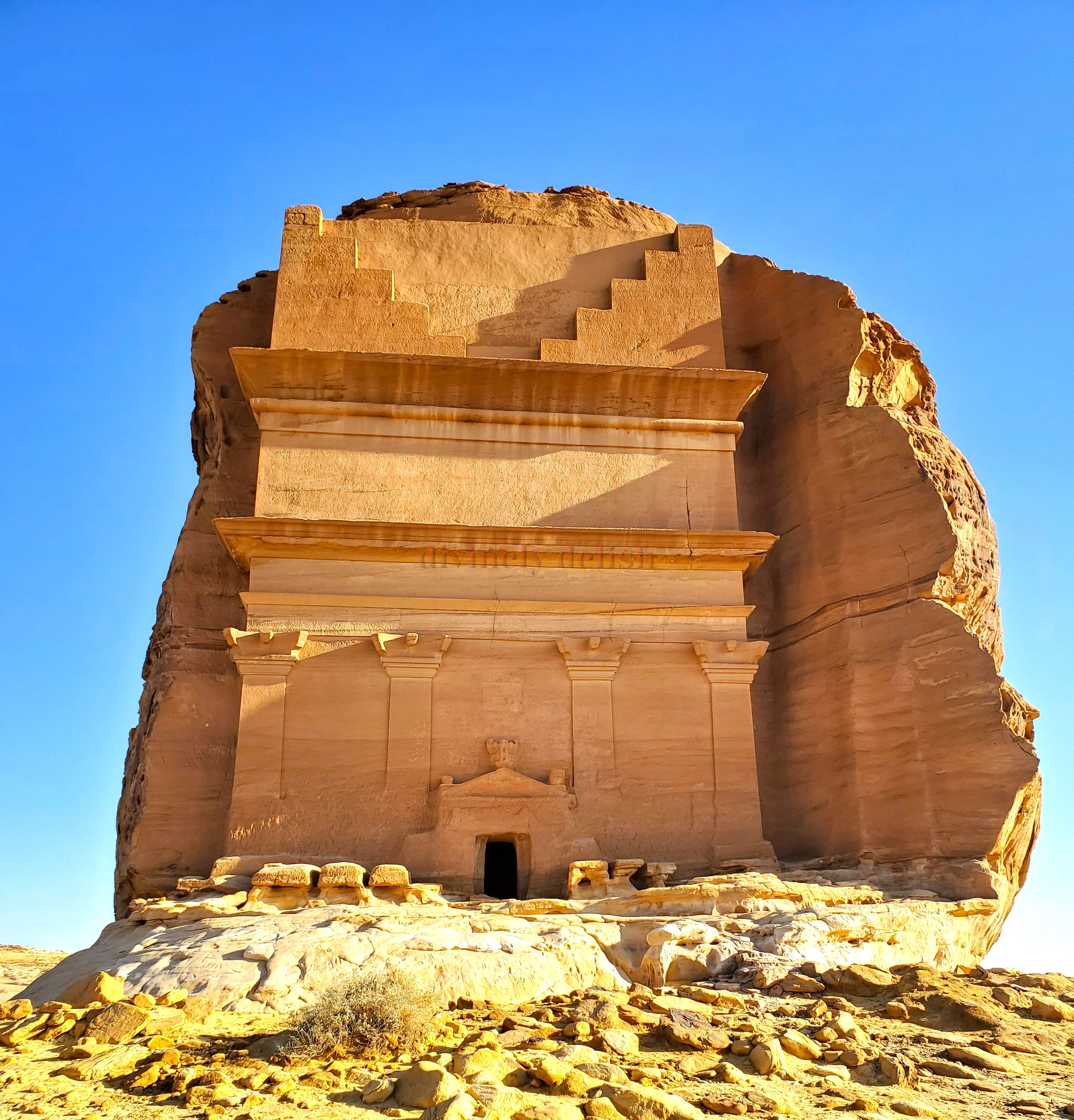
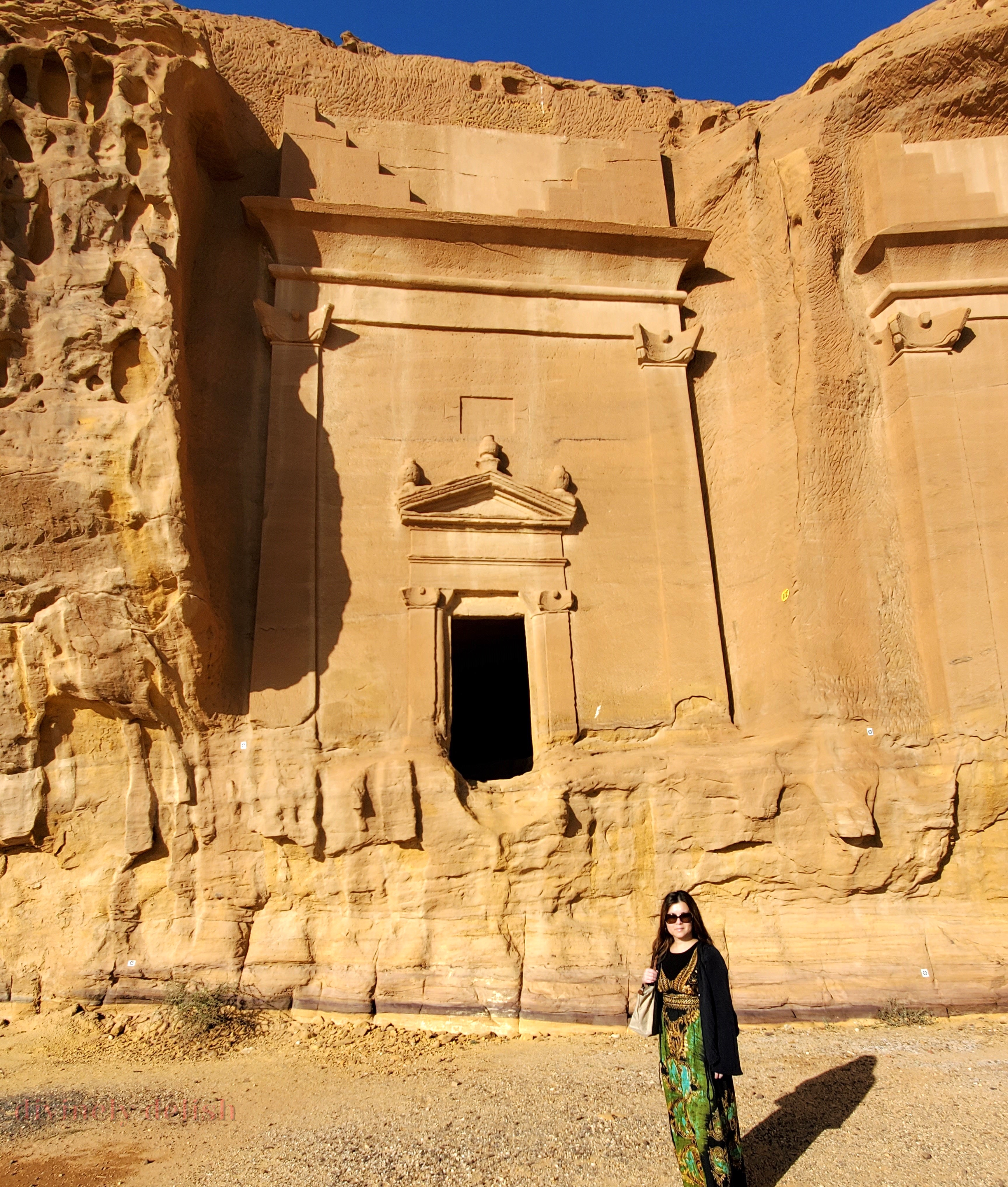
Nestled in the northwest of Saudi Arabia, AlUla is an ancient oasis city that’s perhaps best known for Hegra (also known as Al-Hijr or Mada’in Saleh), Saudi Arabia’s first UNESCO World Heritage Site. Once a flourishing city of the Nabataean Kingdom, renowned for its sophisticated trade networks and rock-carved architecture, Hegra boasts stunning tombs and intricate facades that might remind you of Petra—it’s more famous sister city to the north, in present-day Jordan—which was the capital of the Nabataean Kingdom.
Another must-visit are the remnants of the ancient city of Dadan, capital of the Dadanite and later, Lihyanite Kingdoms—earlier civilizations that thrived before the Nabataean Kingdom. Often referred to as an ‘open-air library’, Jabal Ikmah is located near Dadan and is a treasure trove of ancient inscriptions, many of which date back to the Dadanite and Lihyanite periods.
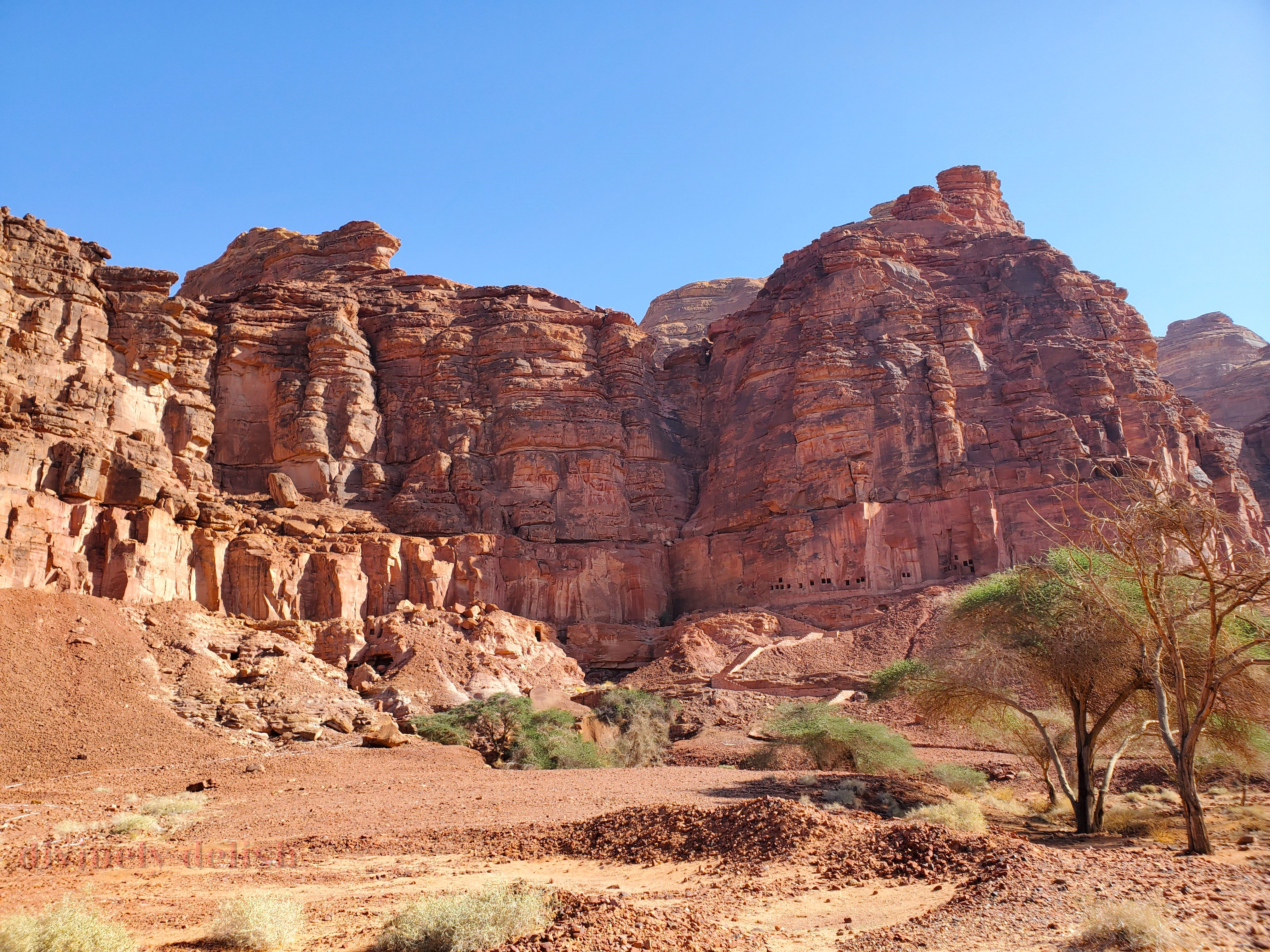
You can only visit these archaeological sites by joining a tour. Tours (as well as concerts, festivals and packages) can be booked on the Experience AlUla website. I booked the 3-hour Hegra Day Tour (SAR 95 / C$35 / US$25) and the 2.5-hour Dadan & Jabal Ikmah Day Tour (SAR 60 / C$22 / US$16). For the best photos, make sure to book the Hegra tour that starts about 3 hours before sunset (I purchased the tour starting at 2:30 pm).
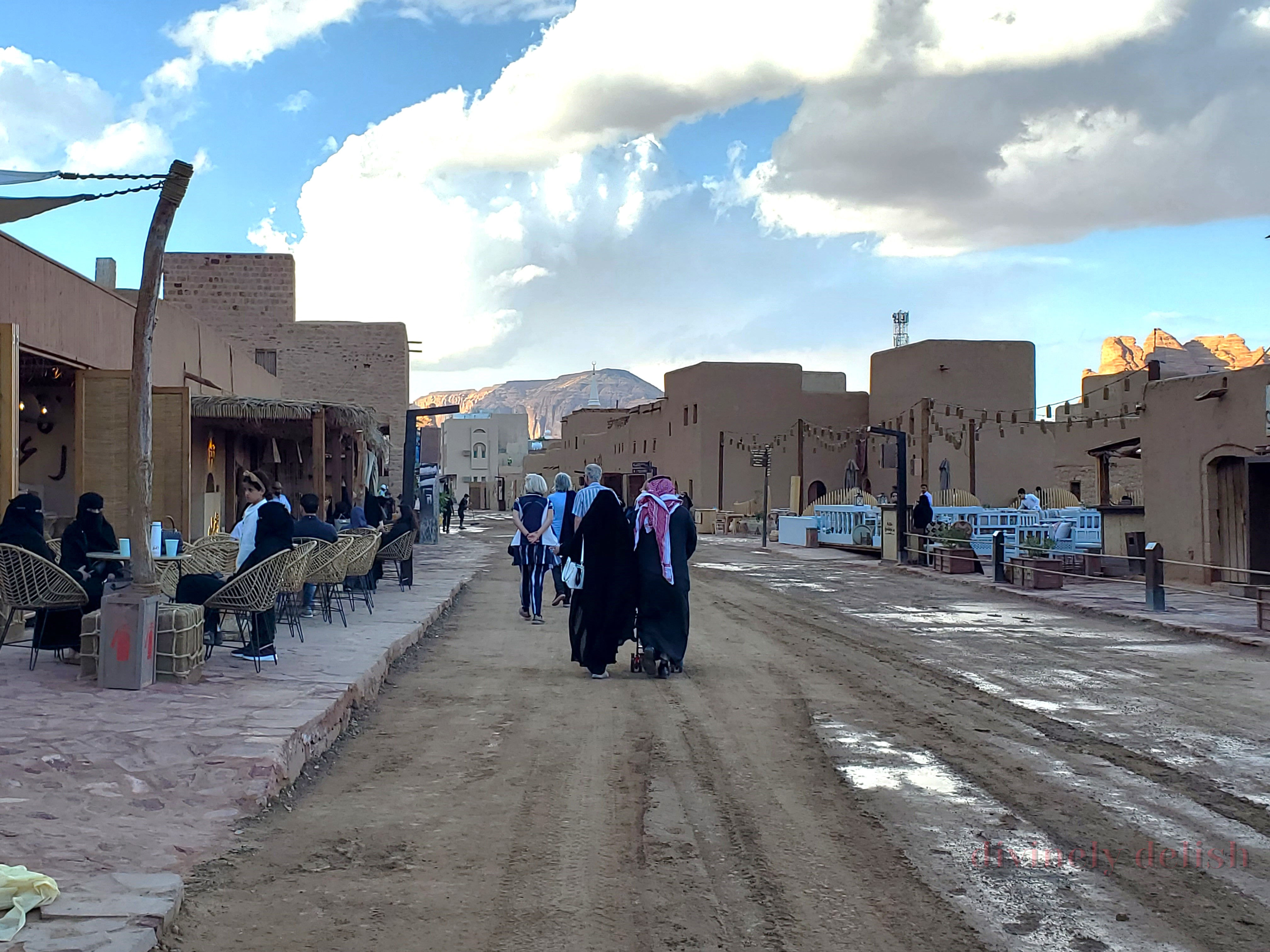
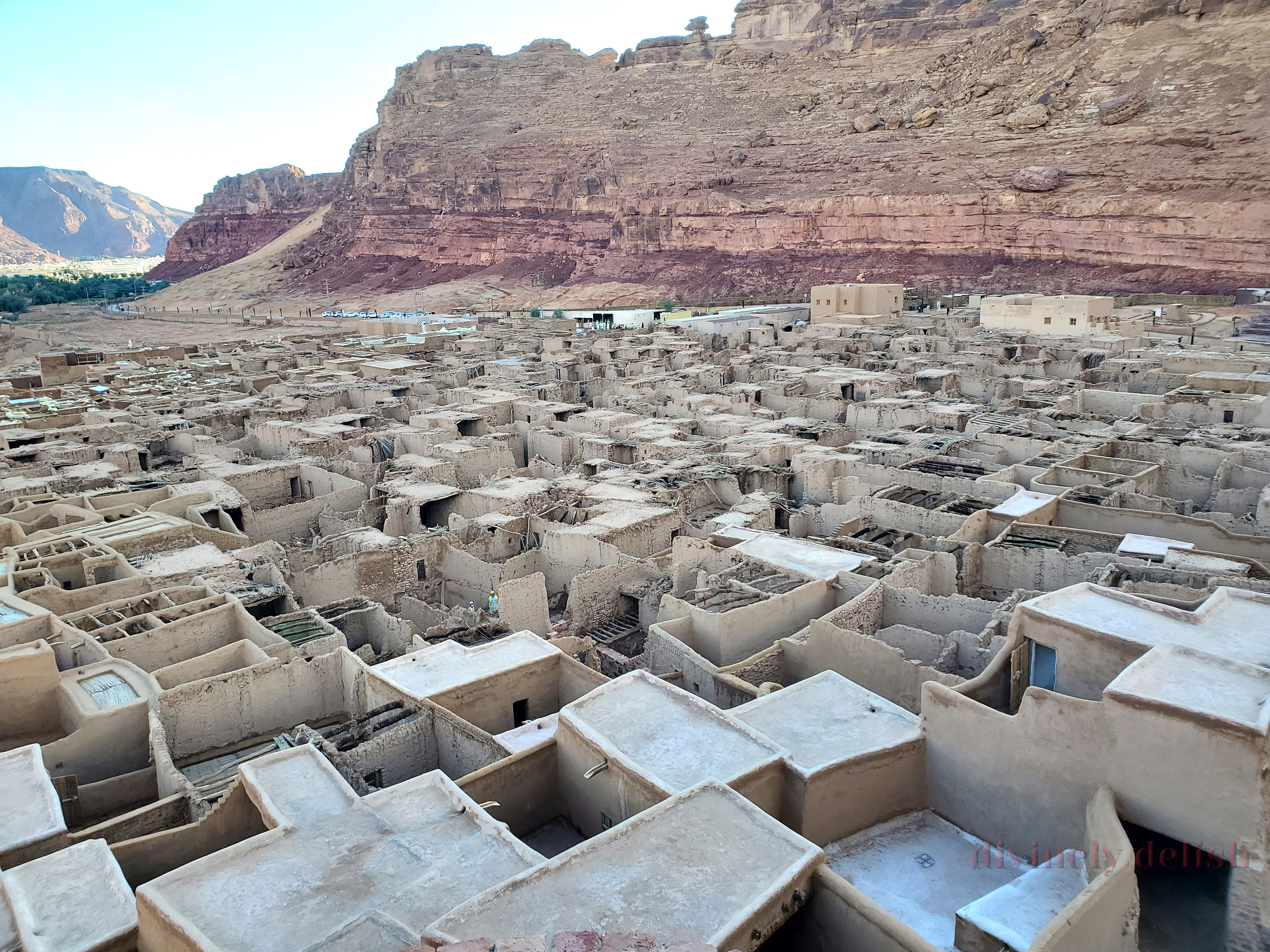
Although you can visit AlUla Old Town on your own, I booked the 1.5-hour Old Town Day Tour (SAR 70 / C$26 / US$19) which I highly recommend. Our small group was led by a rawi (literally, a ‘storyteller’ or special local tour guide) who provided insights into the region’s history and culture, and accompanied us to explore the ruins of mudbrick buildings and historic alleyways.
The towering rock formation, Elephant Rock (Jabal AlFil), is a must-see (best time is at dusk), and can be visited on your own. Maraya—a multi-purpose event venue and the largest mirrored building in the world—is also another popular attraction. If you just want to marvel at the structure’s exterior and get some cool photos, you can do so on your own; however, in order to gain access to its location in the Ashar Valley, you will need to either be a guest at one of the uber-luxurious resorts, Banyan Tree AlUla or Habitas AlUla, or have a reservation at one of their restaurants, or at Maraya Social. If you want to view the inside of the building, you will need a ticket to a concert or conference. Alternatively, you can book a guided tour. I made a reservation at Habitas AlUla’s restaurant, Tama, where I had an excellent meal, but unfortunately, I got lost trying to find Maraya, and by the time I arrived, it was already too dark to get any decent pictures!
While there are a number of upscale hotels and resorts in AlUla, prices for the more standard options are still pretty inflated. I stayed at Queen Hotel SAR 315/night (C$114 / US$85), which was the most highly-rated budget hotel with availability at the time. My room was clean, comfortable and very spacious (I discovered that most hotel rooms in Saudi Arabia are very big!), with a nice view of the mountains and a mosque. Nadim, the Bangladeshi hotel receptionist (you’ll find many foreign workers from places like Bangladesh, Pakistan and Nepal) was very friendly and extremely helpful. The hotel is a bit out of the way (approximately halfway between the Old Town and the airport), but I wouldn’t hesitate to stay there again. It’s a 17-minute drive to the Old Town, 24 minutes to Dadan, and over 30 minutes to Elephant Rock and Maraya. Honestly though, regardless of where you stay, there’s going to be a lot of driving.

Madinah (Medina)
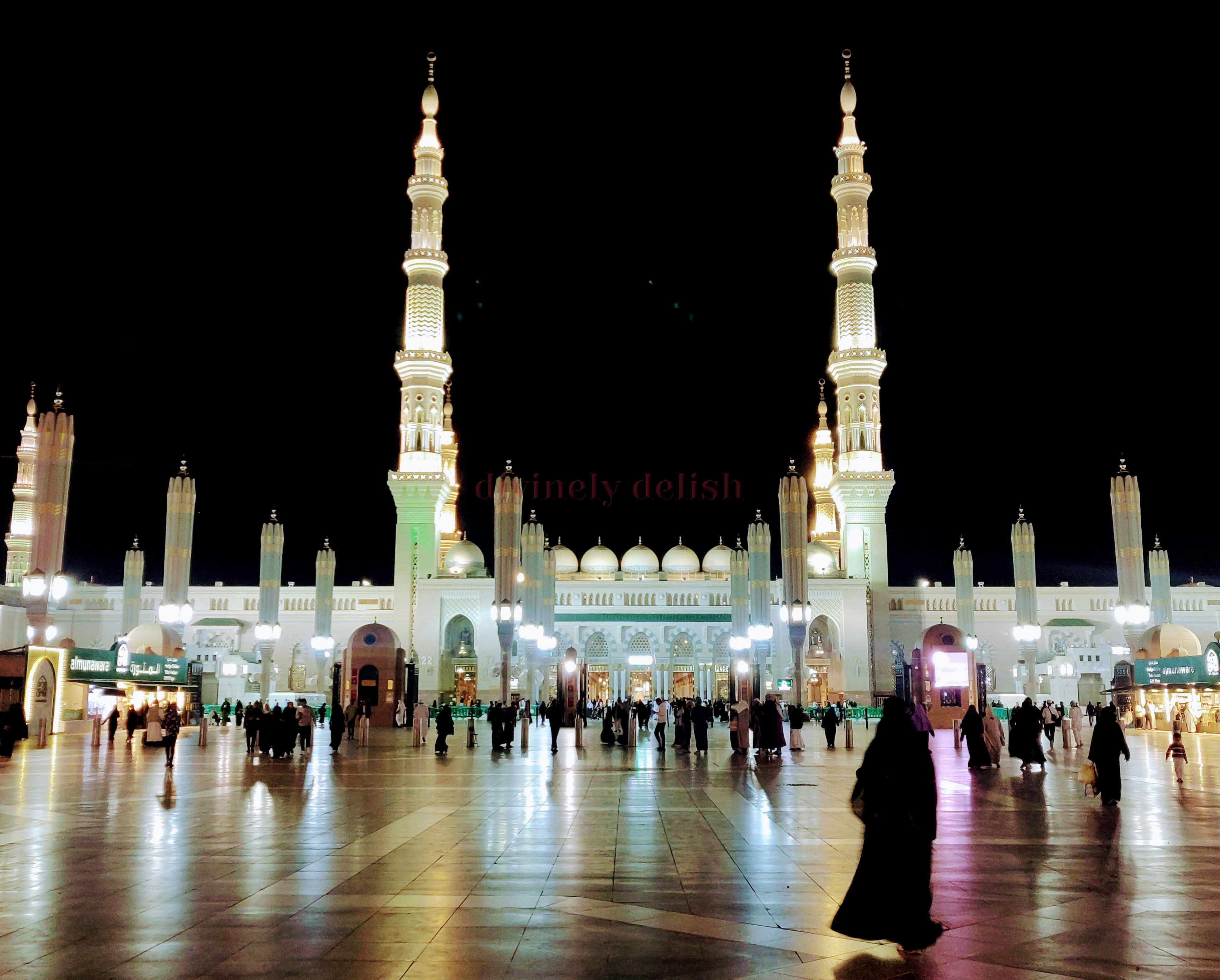
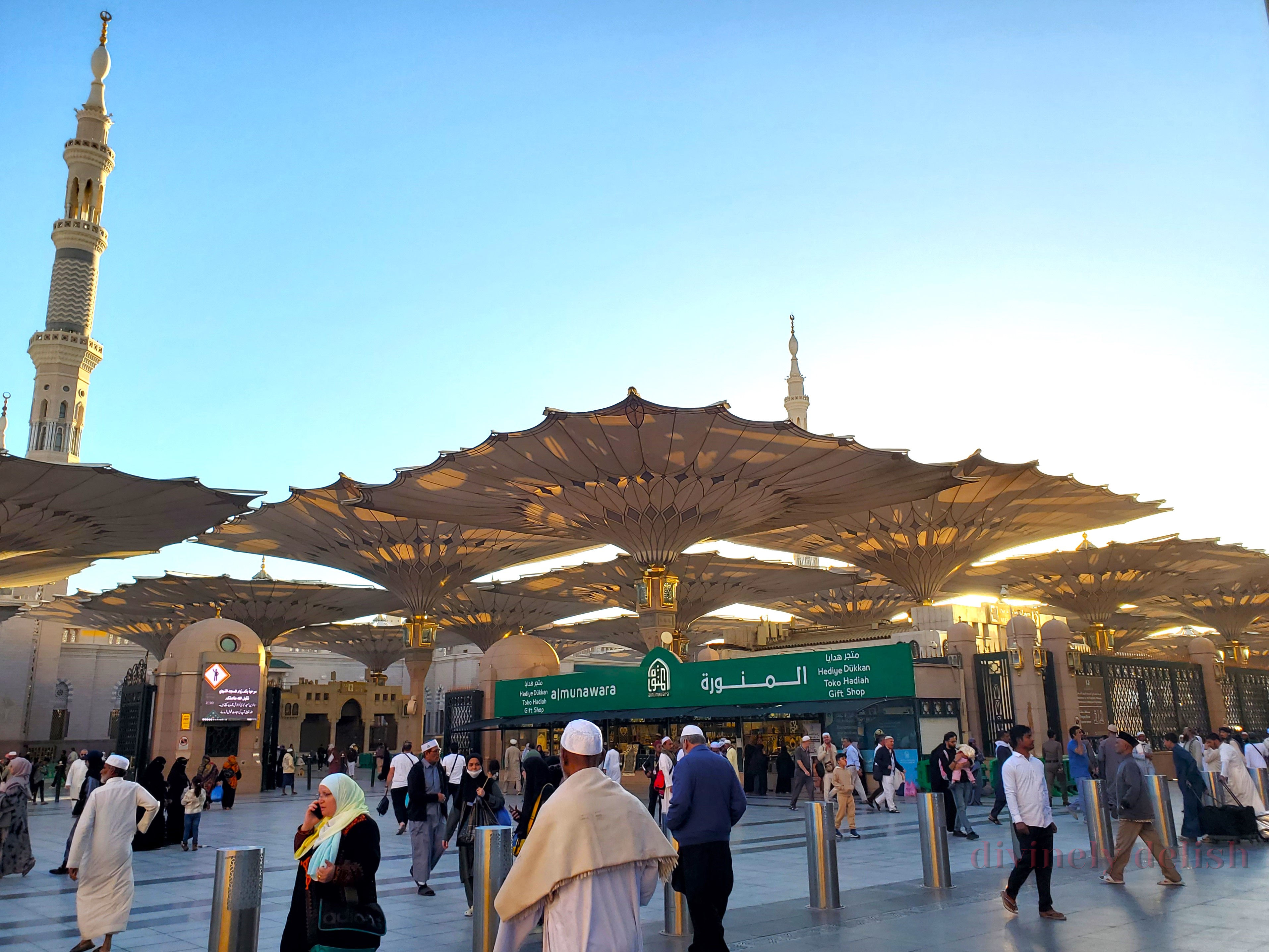
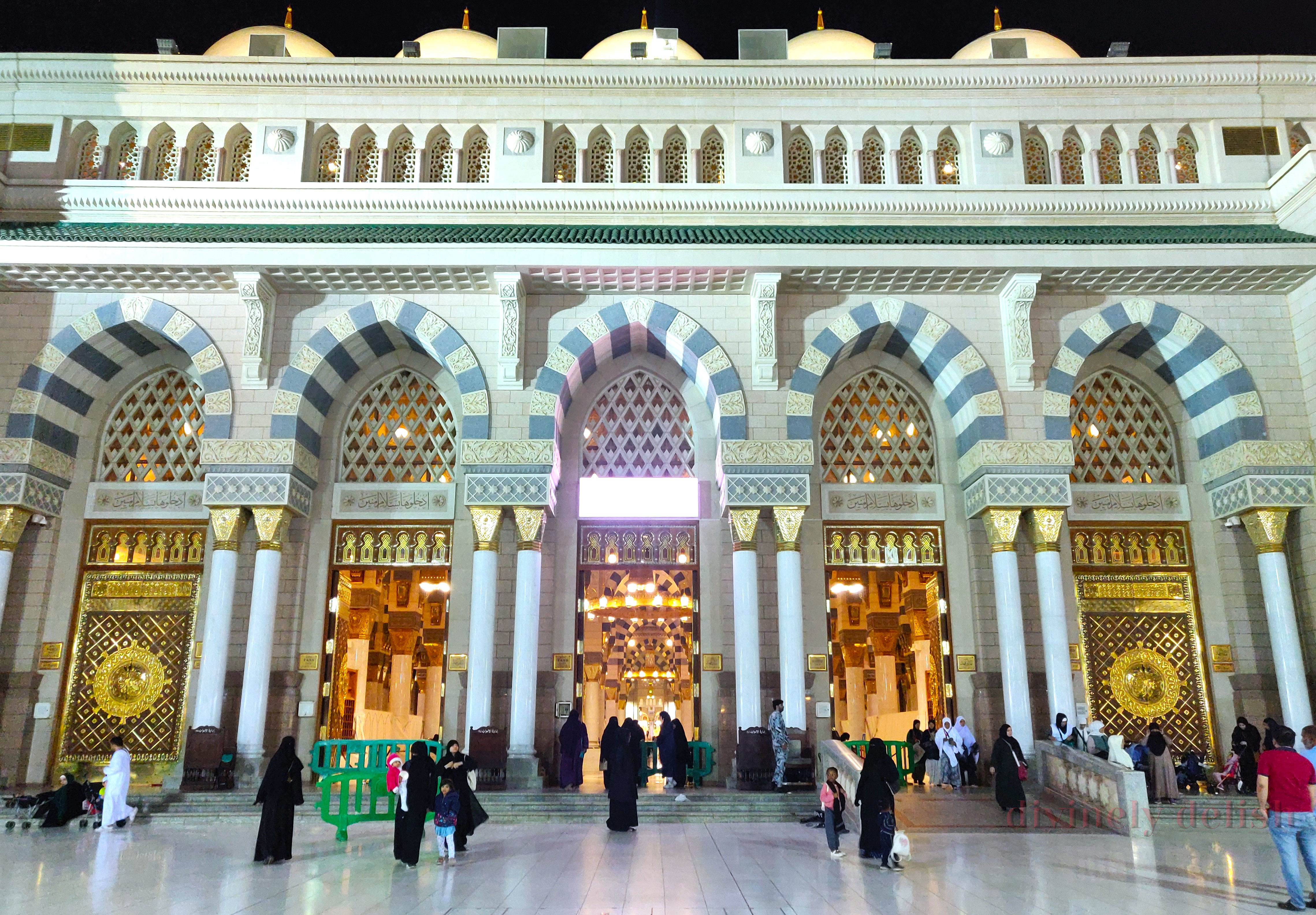
The highlight of Madinah is, of course, the Masjid al-Nabawi (Prophet’s Mosque). It’s the second largest mosque in the world, spread out over 20 acres (59 acres, including the courtyard)! Prior to 2021, non-Muslims weren’t even allowed in Madinah, so my arrival in the city was a true pinch-myself moment. There are still restrictions though. Non-Muslims are not permitted to enter the mosque, and I don’t believe they’re even allowed into the grounds of the mosque, although I’ve read that since April 2023, enforcement of the latter has been lax. Indeed, when I was there in December 2023, I did not encounter any issues entering through the perimeter gates into the northern courtyard. I spent a good amount of time walking around amongst Muslim pilgrims who’d come from all over the world (they probably thought I was one of them, just like how a shopkeeper had assumed I’d come to perform Umrah). I was even able to wander right up to one of the entrances of the mosque and take a peek inside. Every time I heard the ethereal call to prayer and watched pilgrims head towards the mosque, it was an awe-inspiring and profoundly moving experience.
While I was in Madinah, I also booked a Hop-on Hop-off Bus Tour of Madinah through City Sightseeing for US$21.76 (C$30), which was a convenient way to see other sites around Madinah and well worth the money.
Sadly, my accommodation at the Odst Al Madinah Hotel (SAR 389 per night /C$139 / US$104) was extremely disappointing. In fact, the whole experience—from check-in to check-out—was the worst I’ve ever had. When I arrived, there were hordes of people in the lobby and it was really chaotic. There were only 2 Front Desk staff who were clearly frustrated and overwhelmed, and people just kept cutting in line. When it was finally my turn to check in, I was told the king bed I’d booked was not available, and that I would have 2 single beds. Even though it was already 3:30 or 4 pm at the time, they said my room wouldn’t be ready for another hour. Instead of waiting around (there were no available seats in the lobby anyways), I asked to leave my suitcase behind the front desk, and I walked around the city carrying my big knapsack, which wasn’t ideal.
The room was very small—in stark contrast to all the other accommodations I stayed at in Saudi Arabia—and the bathroom hadn’t been cleaned properly. The toilet seat was wet, there was a hair on it, and I also found another hair in the sink. There was a window, but it was boarded up, with only a tiny opening at the bottom. Frankly, the only good thing about the hotel was its proximity to the Masjid (a 5-minute walk).
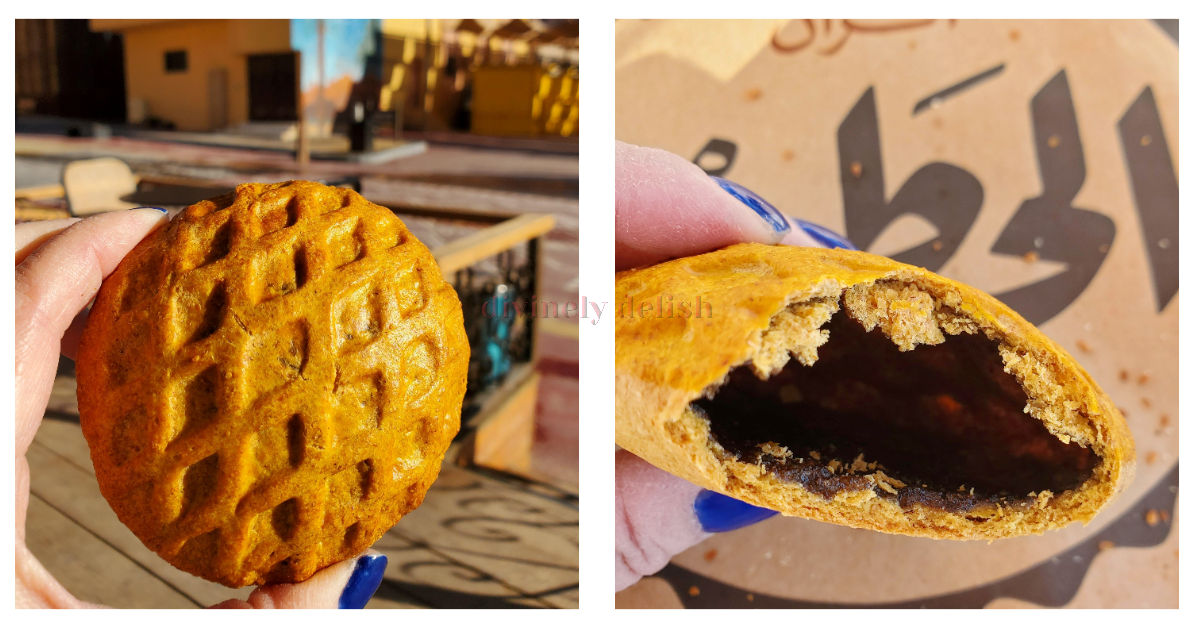
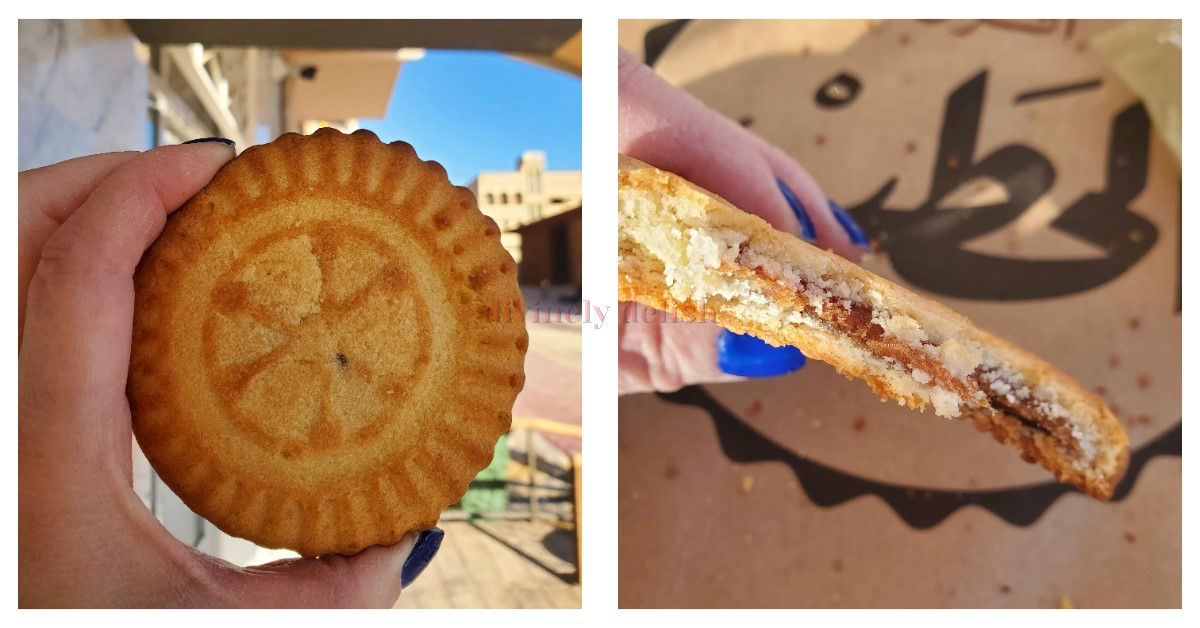
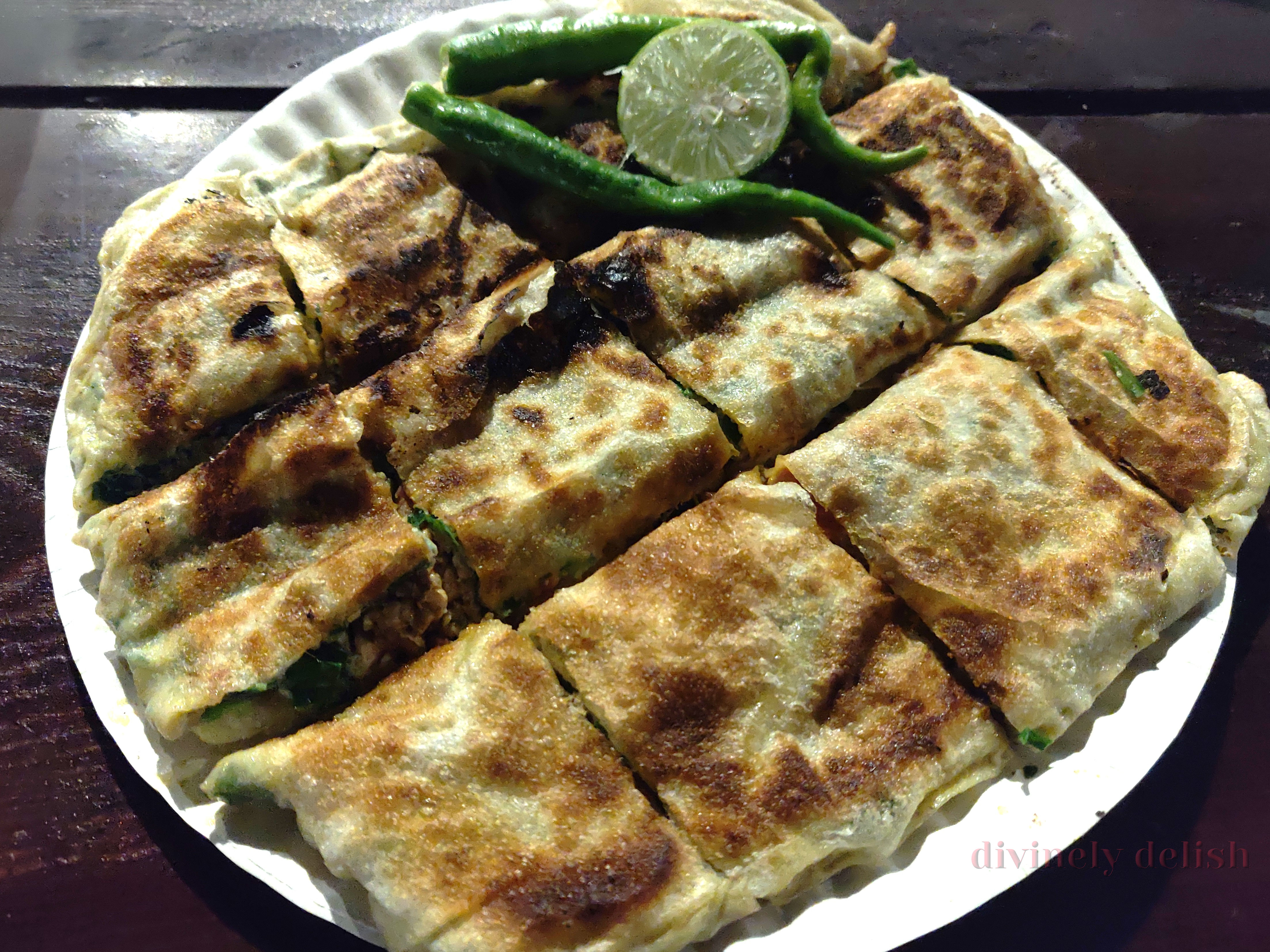
I discovered the food street in Madinah by accident, and couldn’t have been more excited! It’s a bustling area with vendors selling all kinds of international food—Afghan, Turkish…and even Malaysian food! There was so much I wanted to try, but I stuck with the local food—shawarma, muttabaq (likely the origin of Malaysian murtabak!) and kunafa. I tried Saudi coffee for the first time—it was amazing! Qahwa, as it’s known, is made with lightly roasted coffee beans infused with cardamom or other spices. It’s unsweetened but usually served with something sweet, like dates.

Jeddah
The main areas I explored in Jeddah were the Corniche (waterfront) and the historic city, Al-Balad. Jeddah is situated on the eastern coast of the Red Sea, and the 30-km long Corniche forms the western border of the city. I wandered along the promenade, all the way from the Jeddah Yacht Club & Marina down to the Jeddah sign. It’s a bustling area where you’ll find walkways and outdoor sculptures, cafes and restaurants, and see families gathering on big picnic rugs to enjoy meals. I whiled away the time by sipping on coffee, people-watching and enjoying the spectacular sunsets.

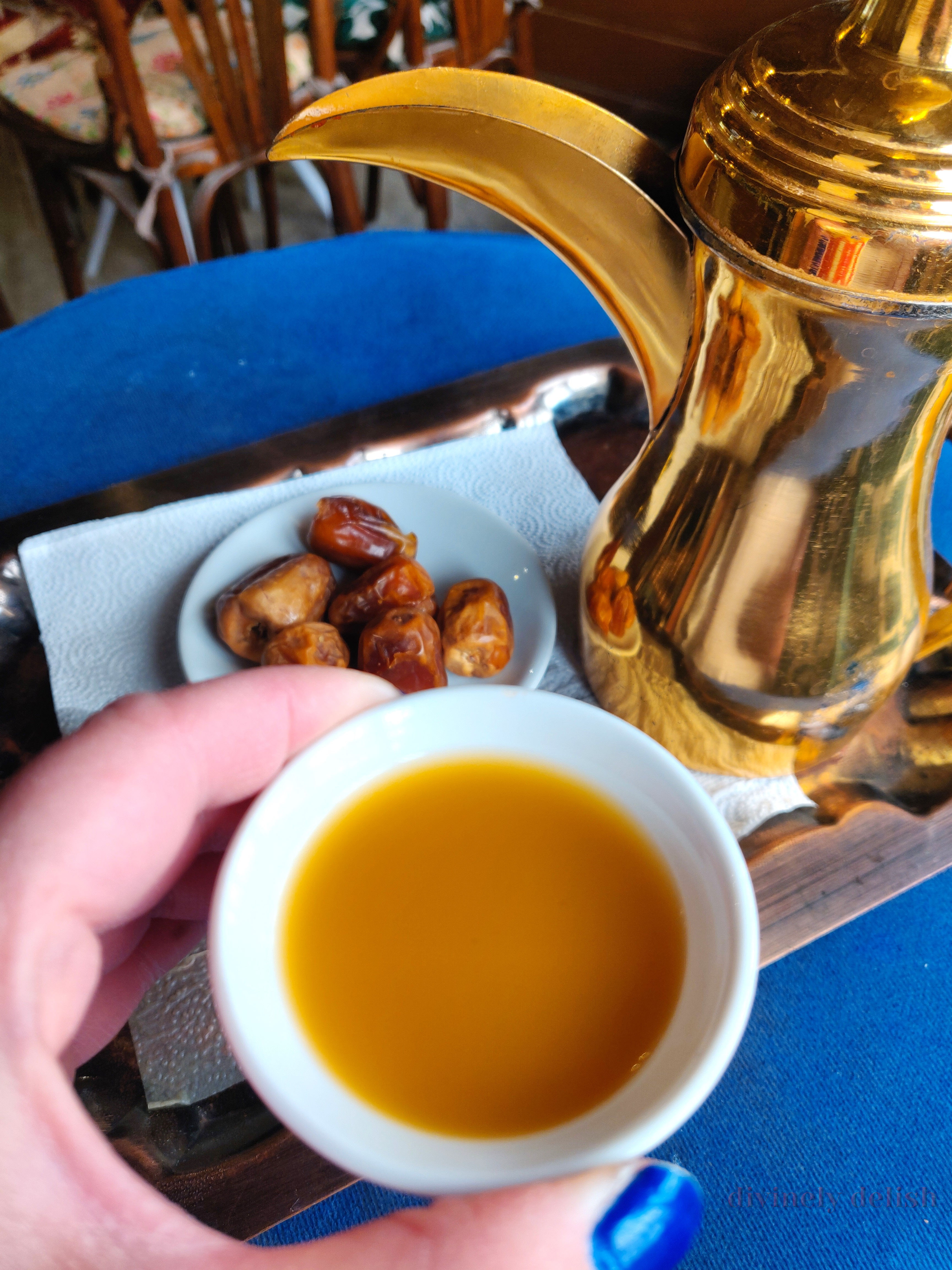
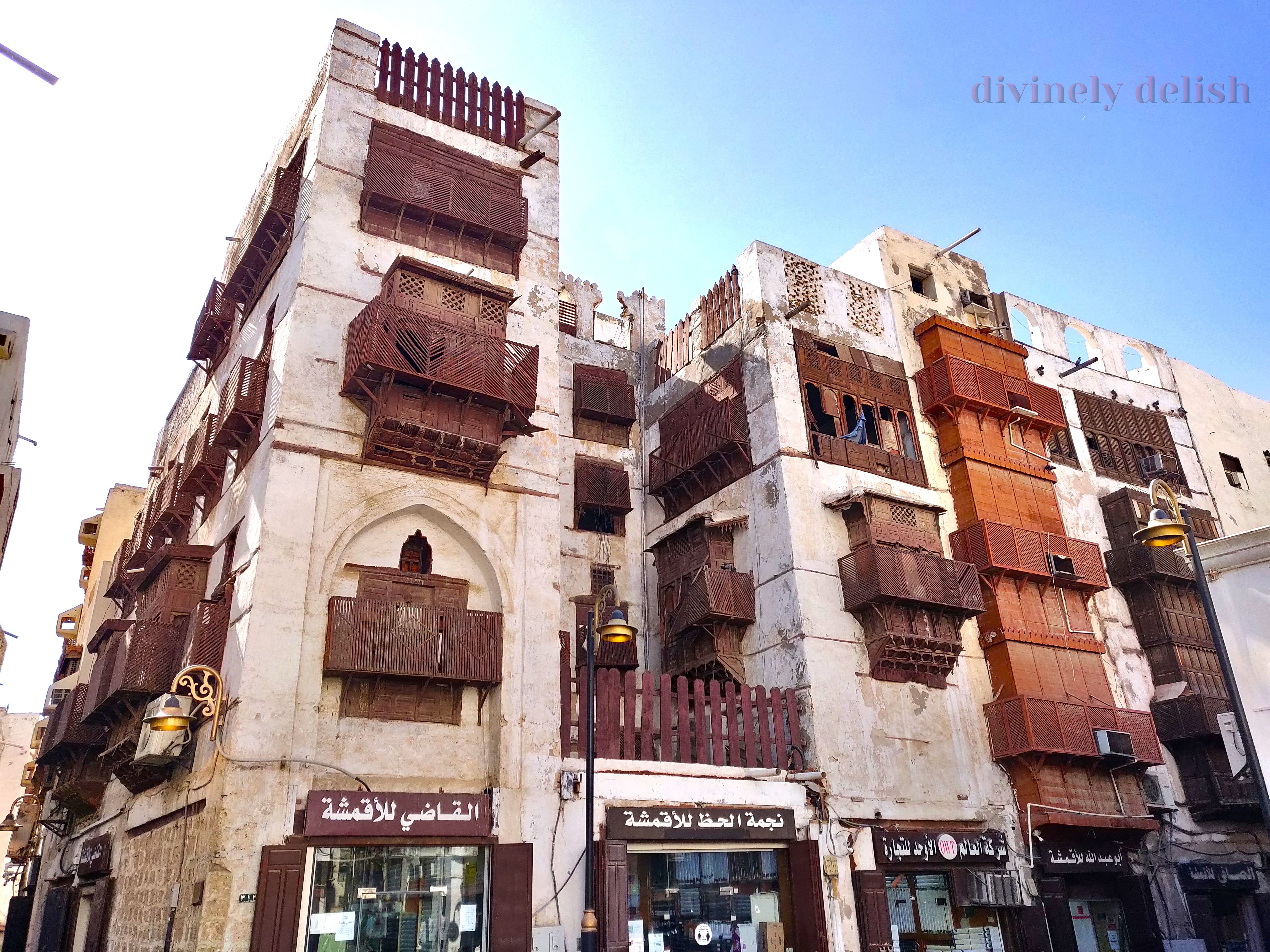
Al-Balad is another UNESCO World Heritage site, where you can see examples of traditional Hijazi houses with their characteristic windows (rawashin). Some of the more well-known and best preserved ancient houses are included in this list. The one drawback was the extensive restoration work during my visit, which made navigating the alleys a little confusing, with several dead-ends and sectioned-off areas. I spent a really long time searching in vain for the highly-recommended Historical Nights Rooftop Cafe. I was also really looking forward to trying some Saudi bread and pastries from the famous 200-year old Al Saidy Bakery, but I arrived to find that they had closed—for reasons unknown—so that was yet another disappointment! I did take some time out to enjoy qahwa at Roshan Cafe though.
I stayed at Staytion First-Al Zahra (now called Palm Boutique Al Zahra). My deluxe room turned out to be more like an apartment with a bedroom, huge living room and a kitchen. Surprisingly, for SAR 219/night (C$78 / US$58), this was actually the cheapest (and largest!) accommodation I had in Saudi Arabia. The staff were friendly and it was conveniently located within walking distance to restaurants and coffee shops, as well as Shatie Market, where I finally bought an abaya.

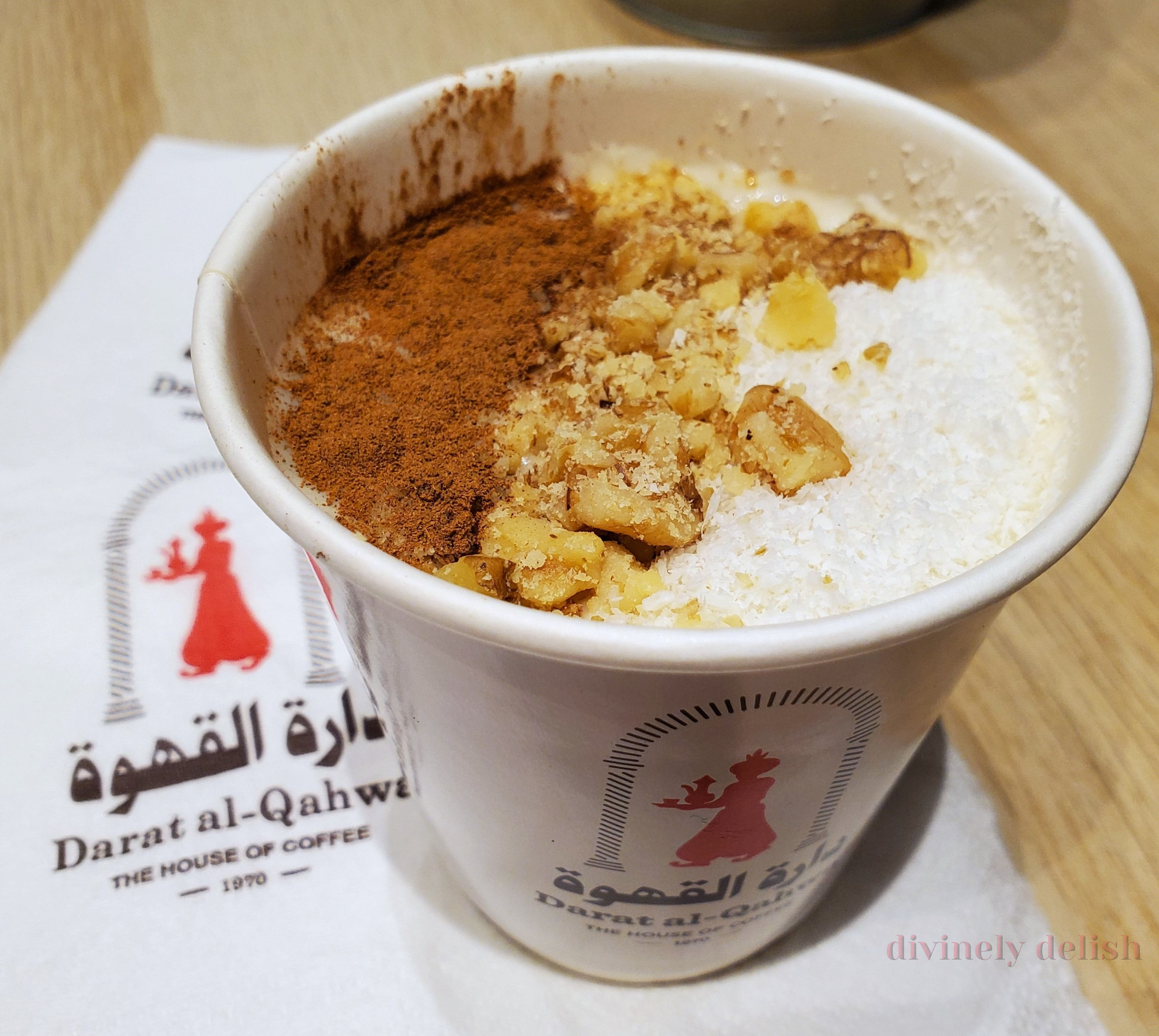
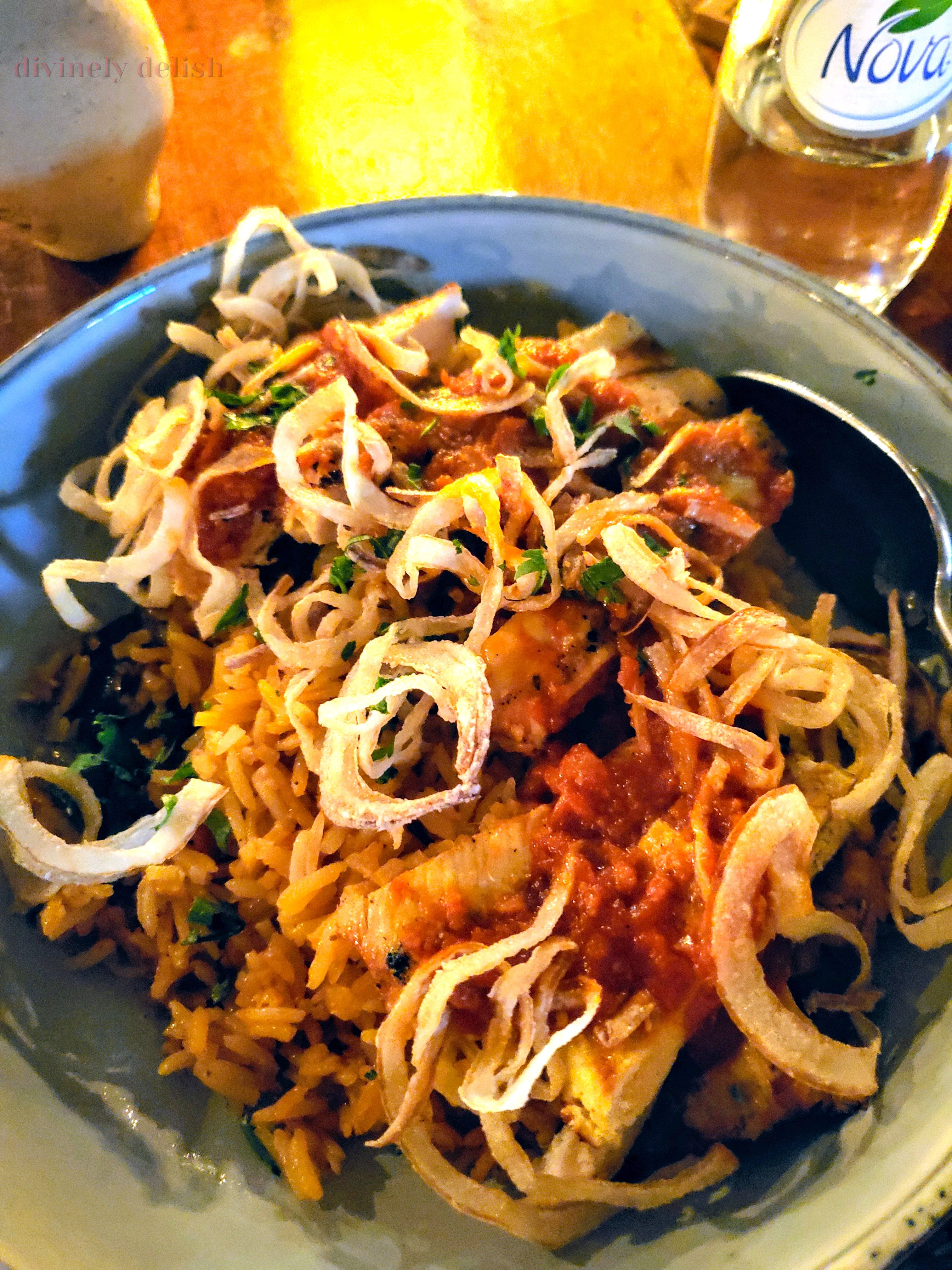
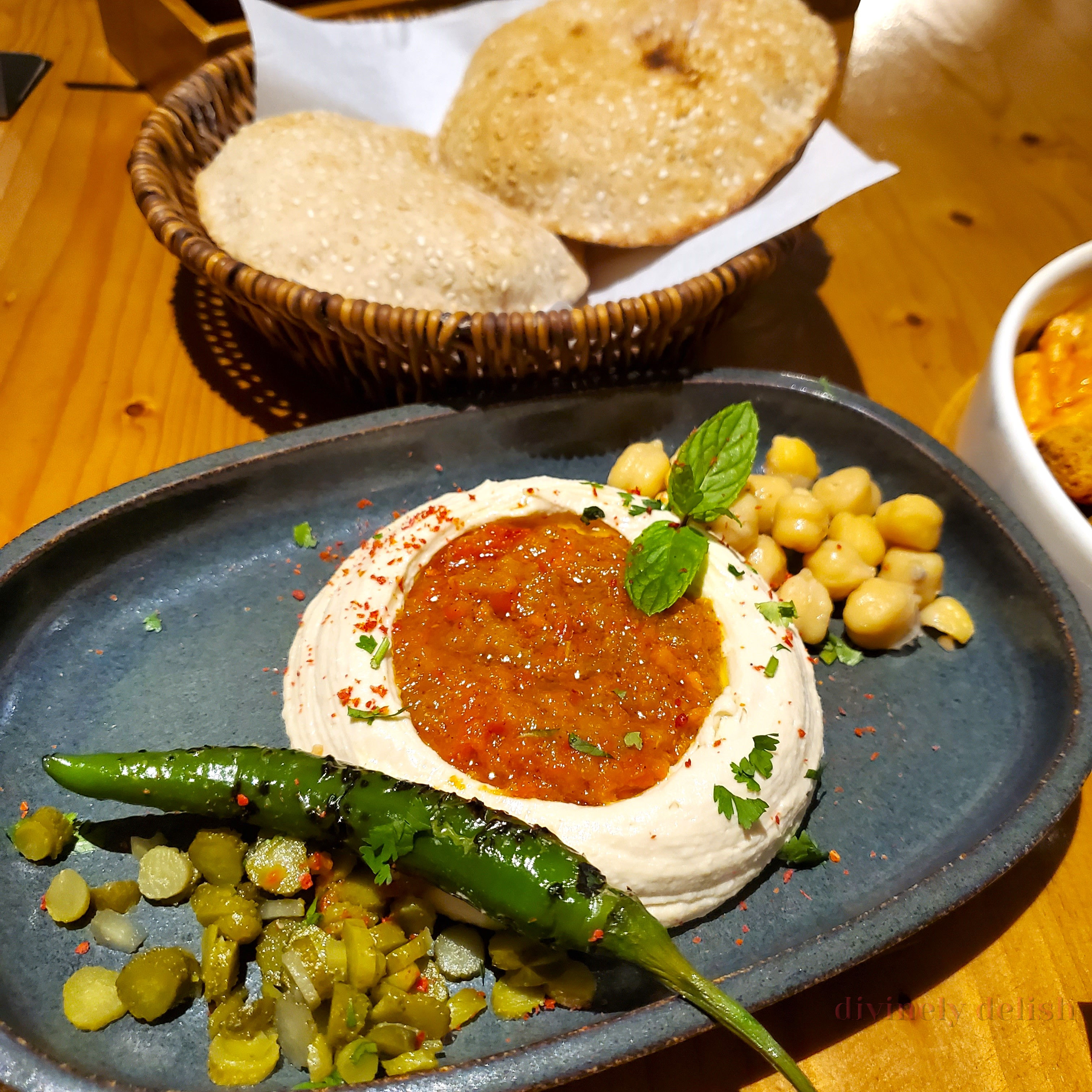
At Samia’s Dish, just 500 metres from my hotel, I had the one of the best meals of my trip—Lamb Haneeth (slow-roasted lamb served with rice). Late one night I took a 4-minute stroll around the corner to a cafe, Darat Al-Qahwa, where I tried sahlab—sweetened hot milk topped with nuts, cinnamon and dessicated coconut—a perfect wintertime drink. A little further from my hotel was Meez, where I had tasty Middle Eastern fusion food.
Riyadh
When I first arrived in Riyadh, I just needed a place to stay for one night, close to the airport, and Super 8 Hotel Al Riyadh by Wyndham (SAR 454 per night / C$162 / US$119) was the least expensive option. In fact, it may be the only budget option you’ll find near the airport. After the SIM card fiasco—which I shared in the second part of this series—I really only spent maybe 2 hours in the hotel, which was rather unfortunate, because my king superior room was a really nice, modern suite with a king-sized bed in one room, a separate living area and the nicest shower.
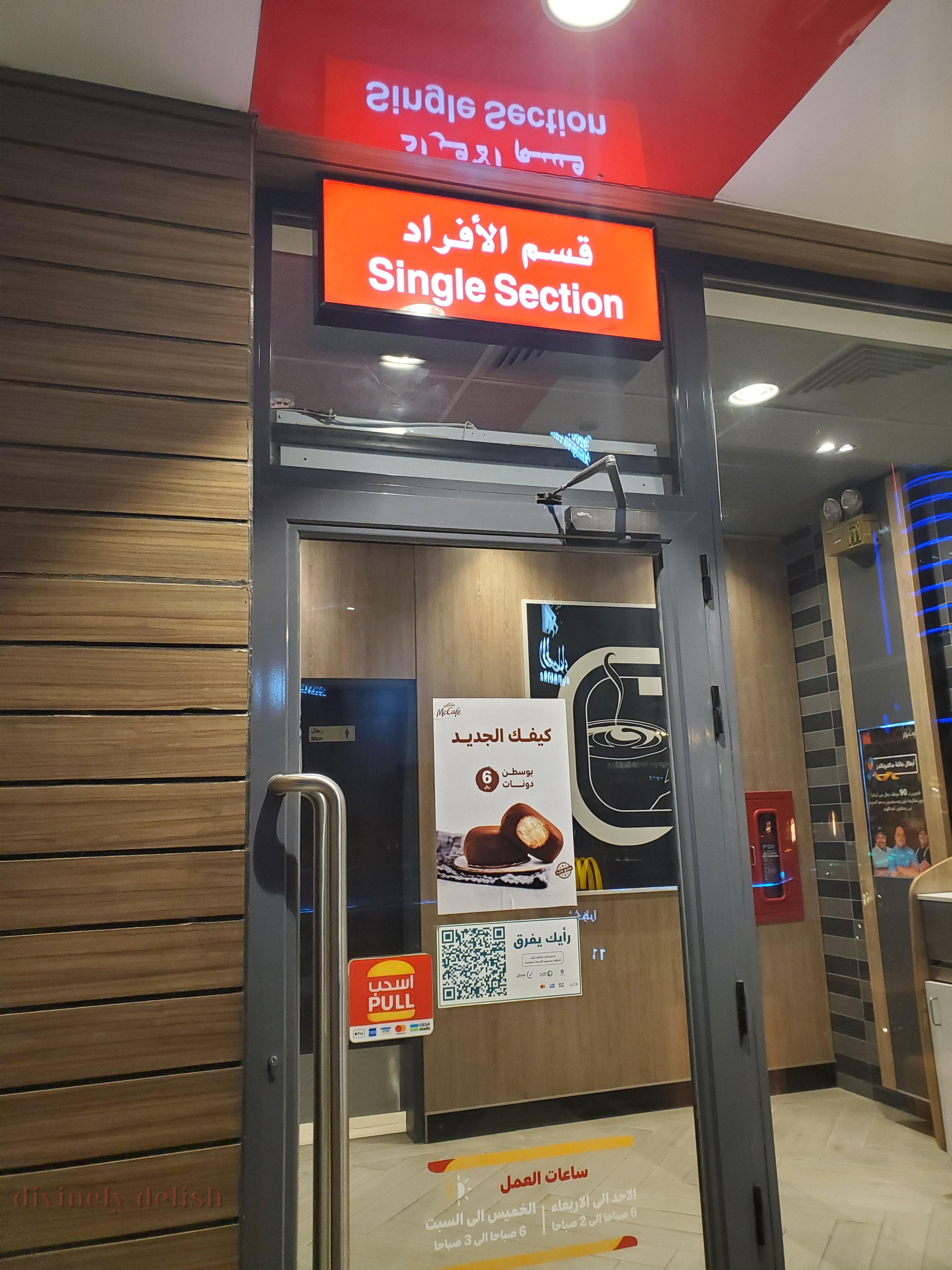
On my return to Riyadh, I chose to stay in the central business district of Olaya, at the Ibis Riyadh Olaya Street Hotel (SAR 335 per night / C$119 / US$89), right across the street from Kingdom Centre, Riyadh’s second-tallest and most iconic building. I got to know Munif, one of the Front Desk staff, who was super friendly, and helped make my stay a pleasant one. He liked to crack jokes, was always full of compliments, and would offer me rides. He even helped me reschedule my trip to the Edge of the World.
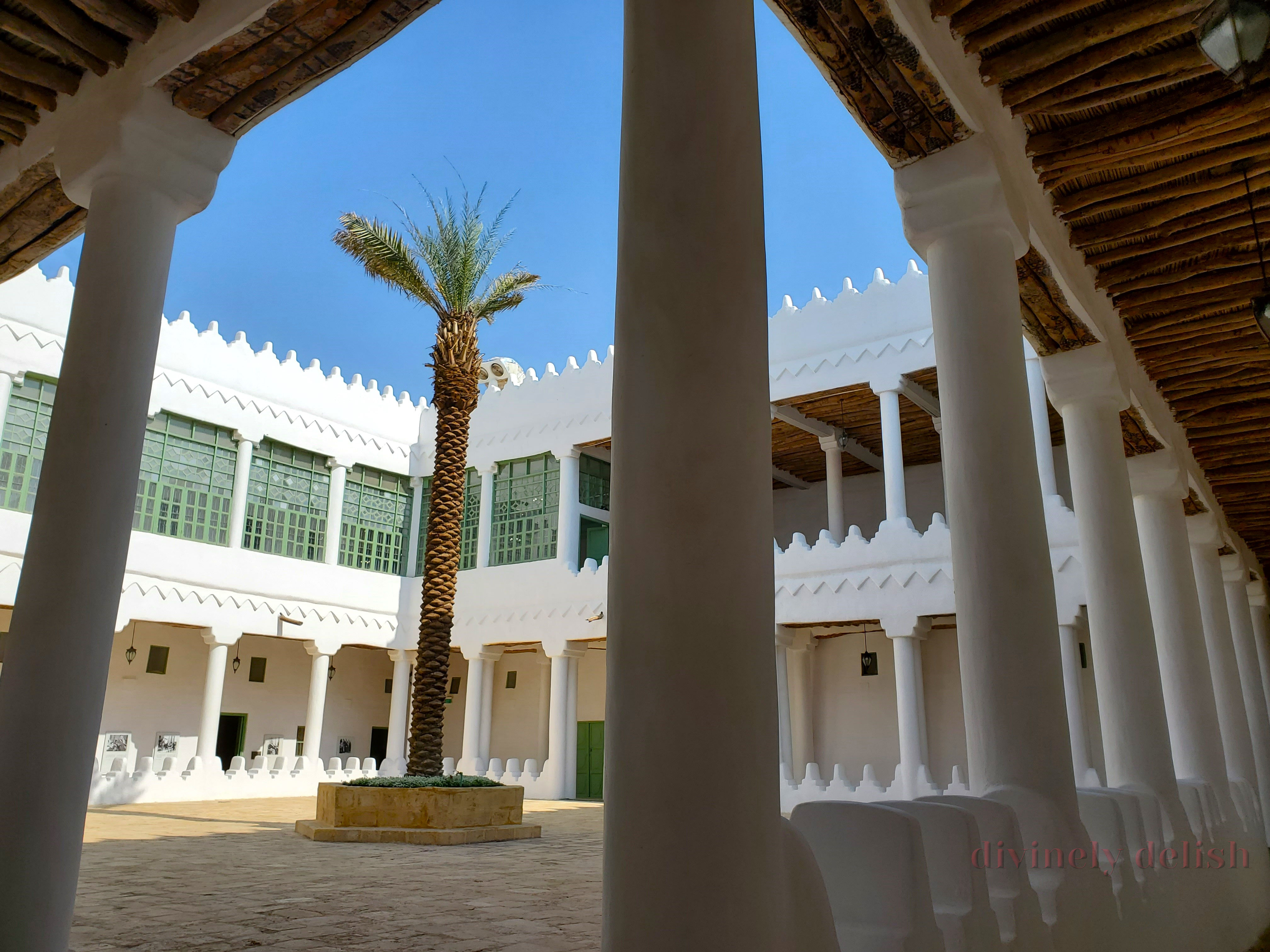
I started my tour of Riyadh at the National Museum, which was a great first stop because it gave me a better understanding of Islam and the history of Saudi Arabia. I’d read that the entrance fee was only SAR 10 (C$3.56 / US$2.67), but for whatever reason, when I arrived, I just had to sign in and it was free!
A short 10-minute walk away is Murabba Palace, which is also worth a visit and houses some interesting exhibits. It was built in 1937 by King Abdul Aziz, the founder of the Kingdom. While it’s not as ornate as you might expect from a palace, its simple architecture is nonetheless beautiful.
I took a 25-minute Uber ride to the town of Diriyah—on the outskirts of Riyadh—the ancestral home of the Al Saud family (Saudi royal family) and the birthplace of the Kingdom of Saudi Arabia. The main attraction is At-Turaif, with it’s striking mudbrick Najdi-style architecture. Overlooking this UNESCO World Heritage Site is Al Bujairi Terrace, which offers about 20 fine dining restaurant and cafe options. You are required to pre-book (online only) a date and time slot to visit At-Turaif, either with the free Diriyah Access Pass or a restaurant reservation with Access Pass. The latter includes dining at a restaurant of your choice. The cost will vary depending on the cost of the reservation, and you can redeem up to the value of the reservation fee on food and beverages at the restaurant.
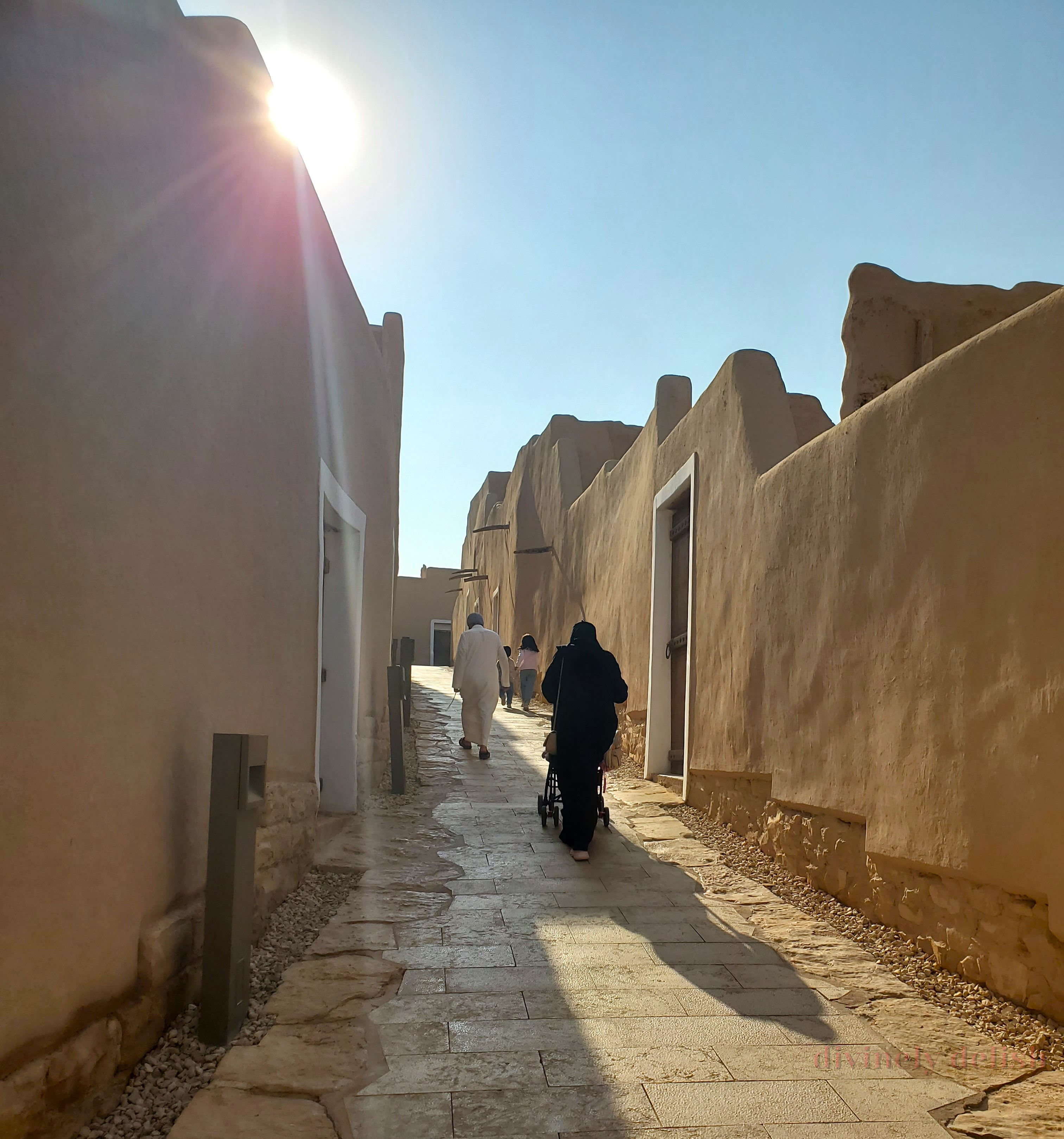
Diriyah is a must-see if you’re in Riyadh, but I should mention that I had a very frustrating experience with an unscheduled closure, so it’s something to keep in mind, if you’re planning a visit. I had booked my access pass for entry to At-Turaif betweeen 10 am and 4:59 pm. When I arrived, I was welcomed by a very nice man named Mohamed. I asked where I could buy some water, and he led me into one of the cafes and ordered a drink for me and refused to let me pay! Afterwards however, when I proceeded to the entrance of At-Turaif at around 1:15 pm, one of the guards told me it was closed and would re-open in 1.5 hours (which would be 2:45 pm). At the same time, he also gave conflicting information, saying that it would open again at 2 pm. I was slightly annoyed at this random closure and lack of an explanation and moved aside to wait while I finished my drink. Then another guard came to me and very rudely told me I could not stand there. There were many people walking around in that area, so I asked why I couldn’t wait there. His command of English wasn’t very good, but that didn’t excuse his rudeness. He used Google Translate to tell me, ‘You have to move’, but I thought he could have used the app to express his command more politely, or at least explain the reason for the closure. So I went out to the front entrance to look for Mohamed. He was very apologetic and told me that he had also just found out that At-Turaif was closed until 2 pm. Apparently there was some kind of VIP entourage touring the place or something. I thought this was a one-off occurrence, but then I read a review on TripAdvisor from a traveller who had had the same experience just a month earlier! Later, I ended up speaking to Fahad, the Senior Guest Relations Officer, who said that the sudden closures are due to restoration work being done. He apologized profusely and also expressed the staff’s frustration at not being informed beforehand of these closures. He walked me to the entrance of the site when it finally re-opened, and I did end up visiting At-Turaif.

Kingdom Centre houses a mall, cinemas, the luxury Four Seasons Hotel, and at the very top is the Sky Bridge, which offers magnificent views of the city. I took the advice of some reviewers and went at 4 pm until sunset, so I could see both the daytime and evening views. I’ve seen many cities from high up, but somehow, seeing Riyadh from the Sky Bridge was so much more amazing than I had imagined. It’s SAR 69 (C$24.50 / US$18), but totally worth it!
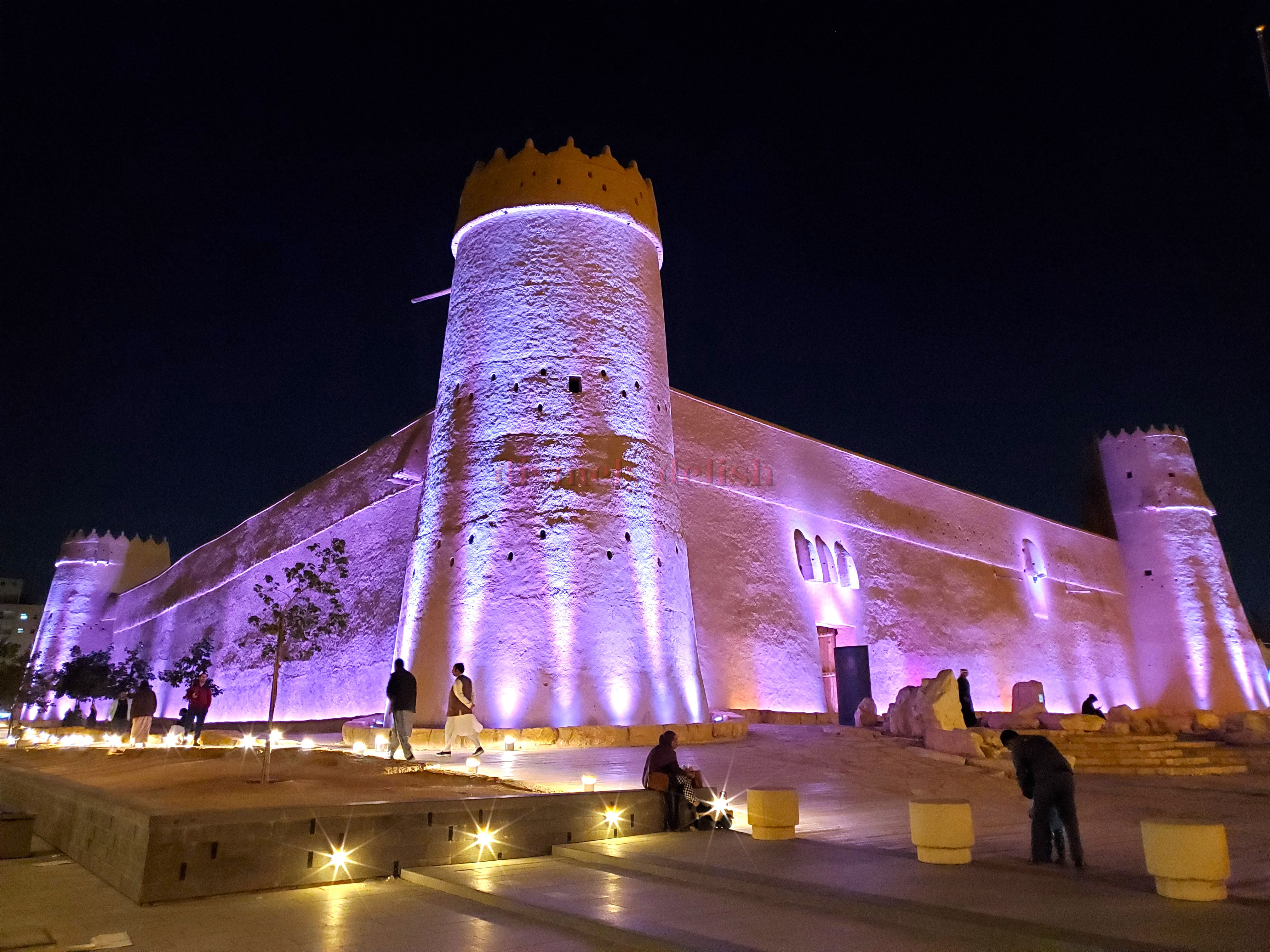
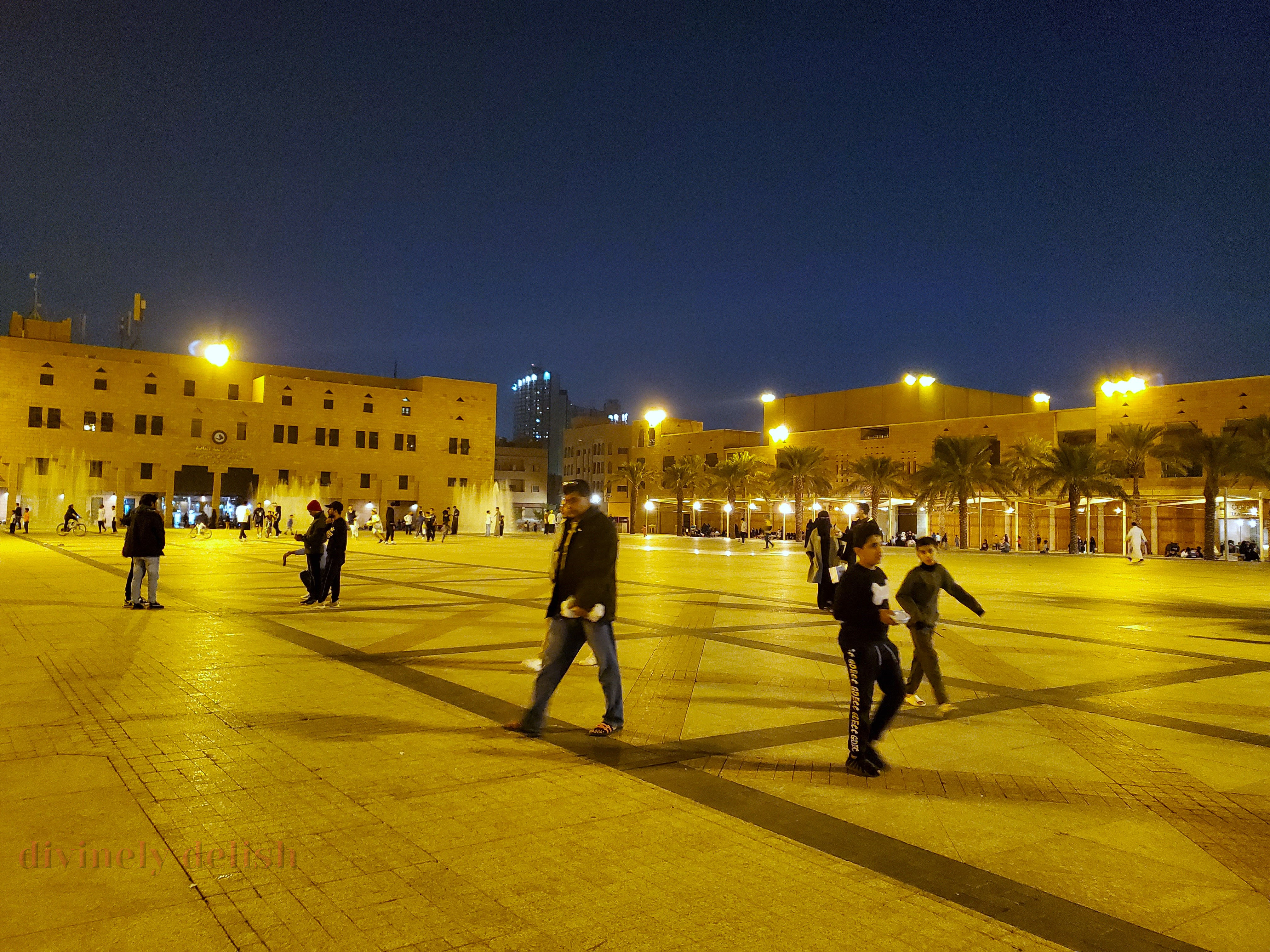
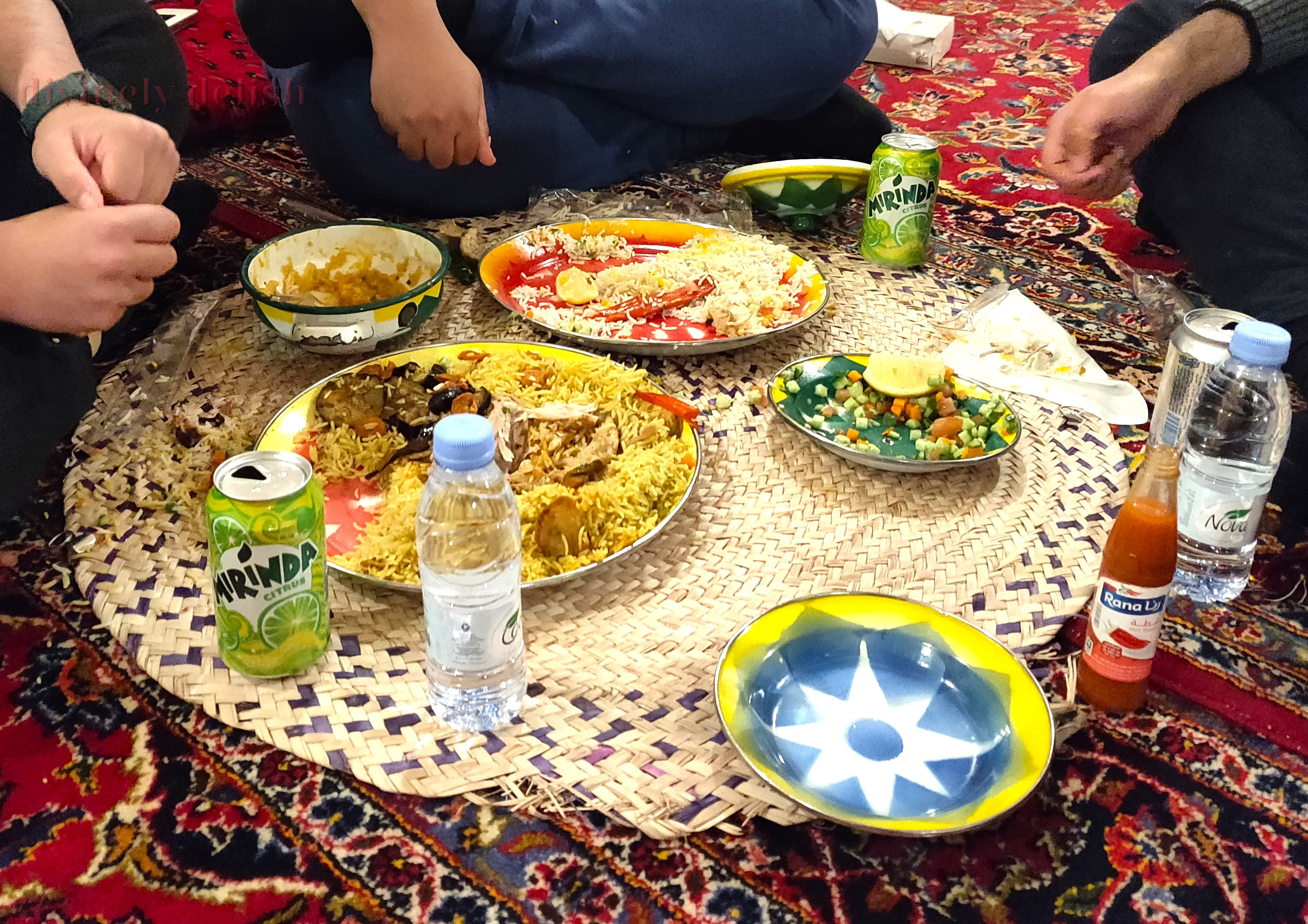
I actually met another solo traveller, Larry, an American, while I was on the Sky Bridge. Together we decided to visit Masmak Fort in the ad-Dirah neighbourhood in the south of the city. While wandering around the nearby Souk Al-Zal, we met a Saudi woman, Jude, and her siblings, who initially wanted to invite us to their home for a meal! Since we didn’t have enough time to arrange a dinner, Jude invited us instead for qahwa. We then strolled around Deera Square, also known as Alsafat Square or more infamously, Chop Chop Square, the former site of public executions. It was surreal to be standing in the square, talking and laughing with newfound friends, while watching kids happily playing in the very spot where beheadings once took place.
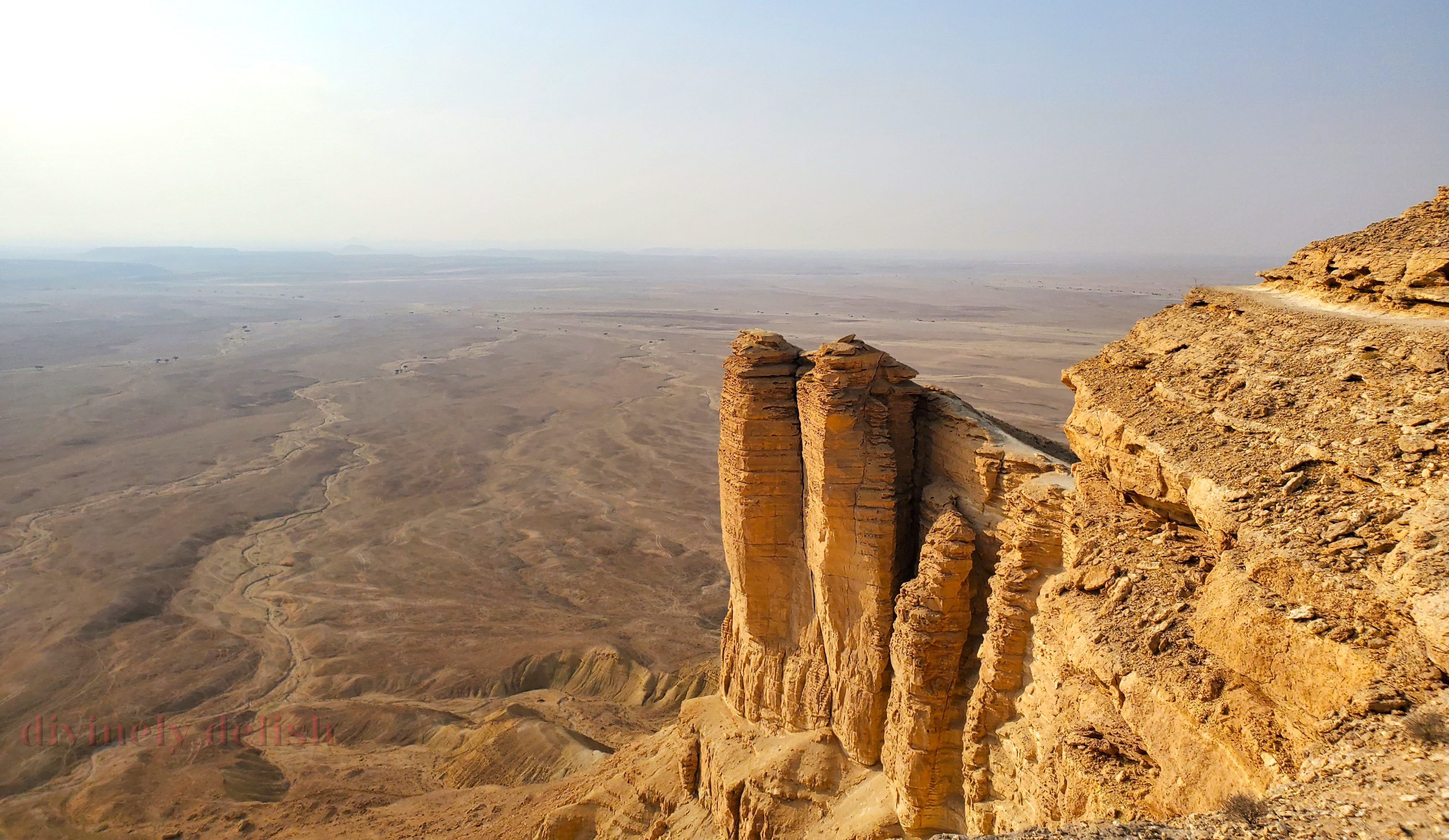
You can’t really visit Riyadh without including Edge of the World in your itinerary. This natural wonder is only about 100km from the city, but it will take about 1.5 to 2 hours to get there by car since part of the journey involves off-roading. Even with a 4×4, it would be so easy to get lost if you’re not familiar with the rugged terrain. It’s therefore best to join a tour. I initially booked a tour with dinner (US$76.50 / C$110) through Booking.com with Riyadh Tours (Riyadh Hiking). But I didn’t get to the meeting point on time and missed joining the group. So then I booked a private driver directly with Riyadh Hiking for US$170 (C$227). He was not only a great guide, but an awesome photographer! Thanks to him, I got some amazing pictures. On the way back, he also stopped at a couple places to show me some traditional houses.
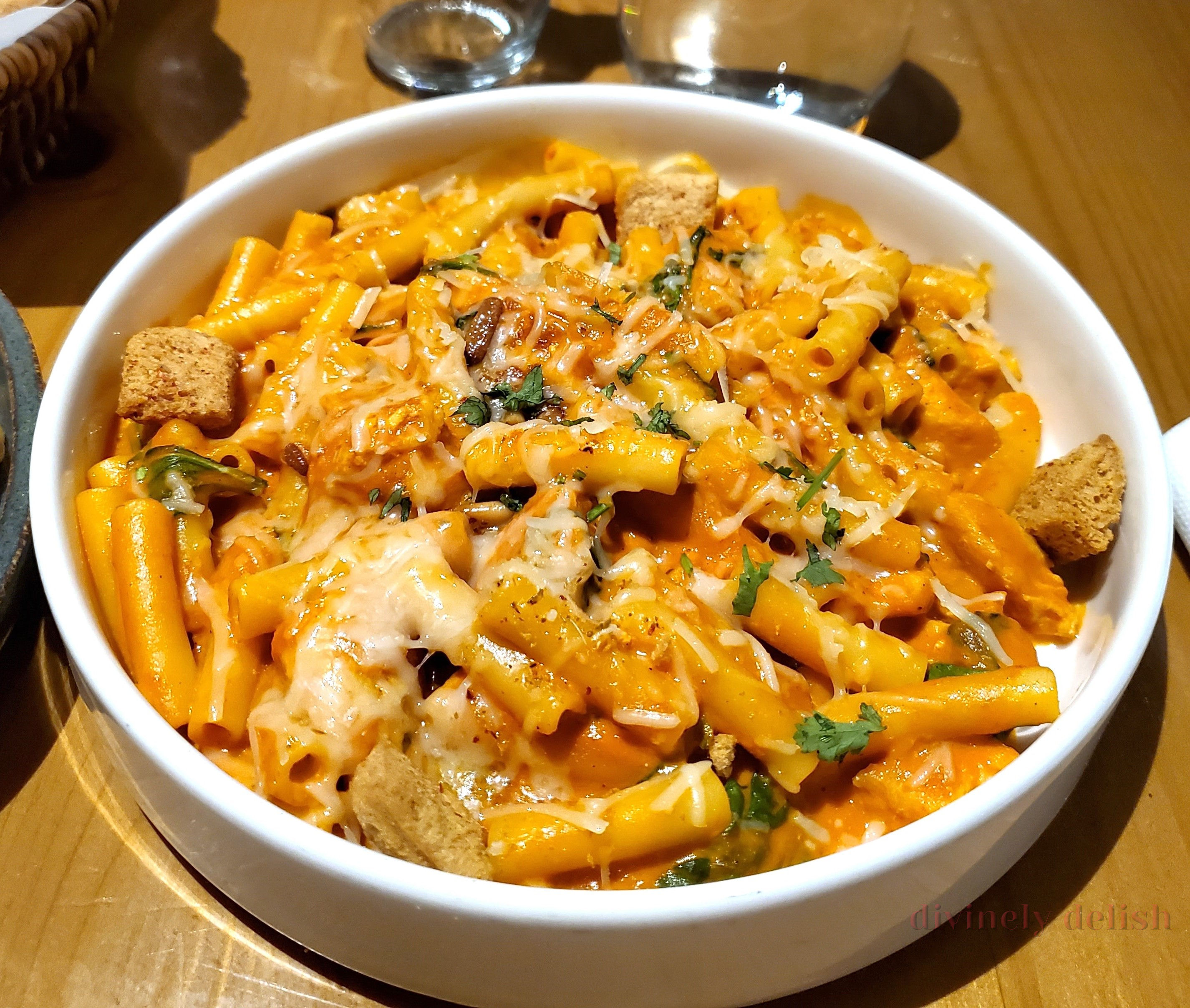
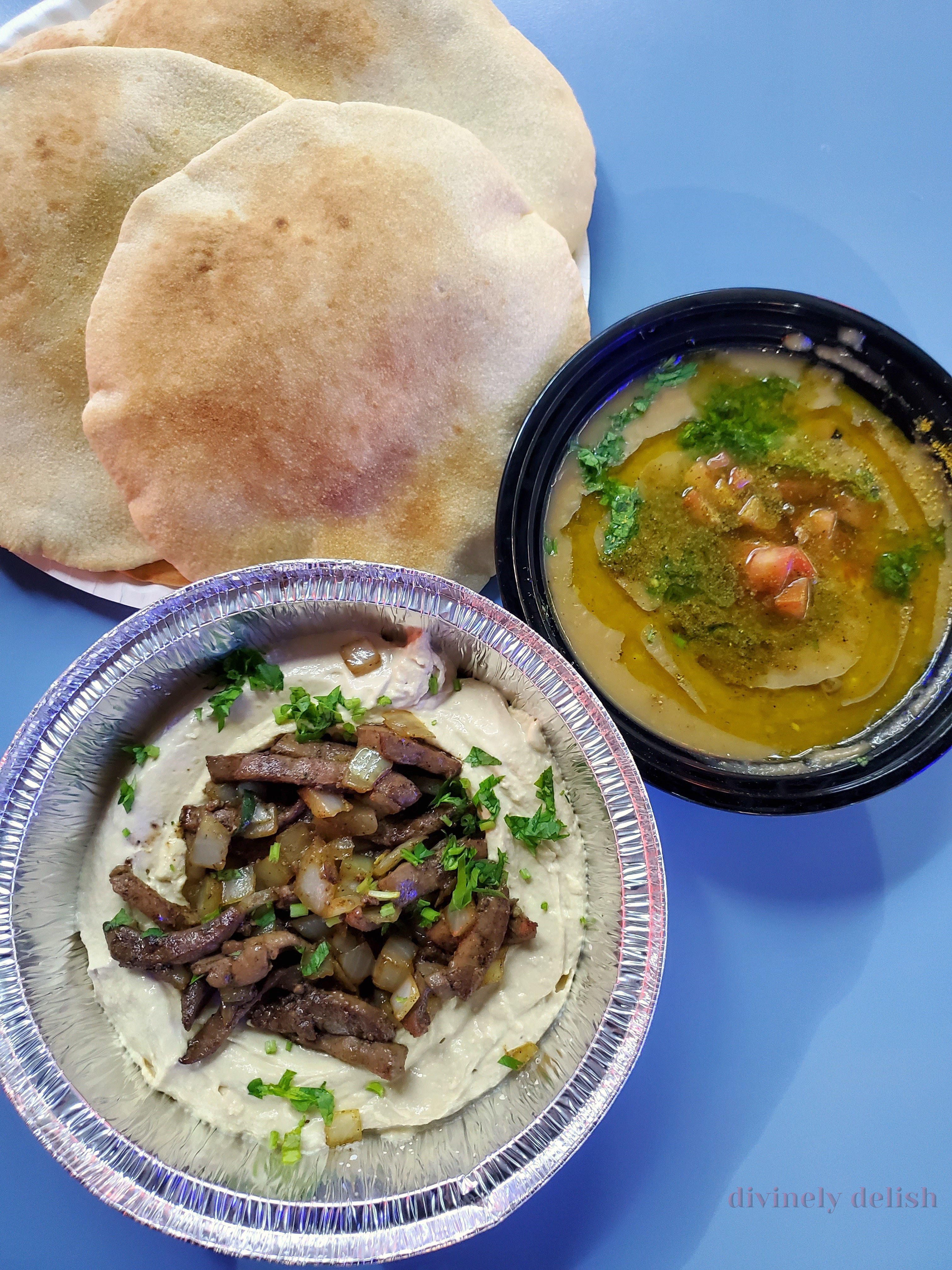
Close to the Ibis hotel, I found excellent food at Taghmees, a casual joint located inside a less-than-spectacular mall. Ful (fava bean stew) and Hummus with Lamb Liver and Onions may not be everyone’s idea of breakfast, but it was certainly a hearty and delicious start to my first day in Riyadh.
The restaurant that’s most recommended in Riyadh is Najd Village. Larry and I visited one of their locations late one night, but they were about to close, so we had no choice but to order our food to go. The puffy tawa flatbread that I’d seen on the menu was unfortunately deflated by the time we got back to my hotel to eat it, but all the food was absolutely scrumptious!! I tried another lamb liver dish, accompanied with the tawa and also tamees, another kind of flatbread. I also had camel meat (Hashi Kabsah) for the first time, which was really good and not gamey at all!
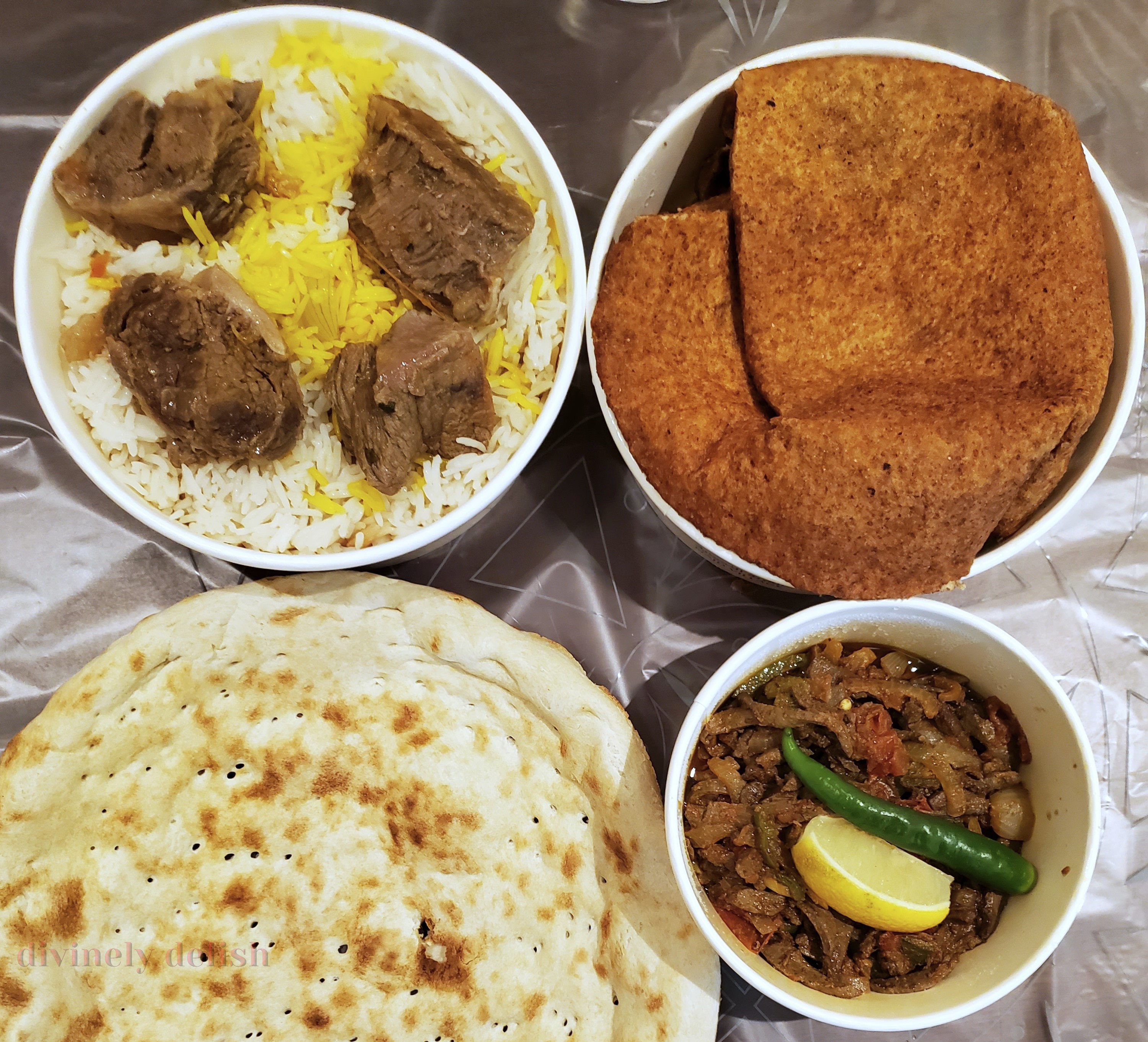
If you’re a lamb lover like me, Saudi Arabia is heaven! I don’t eat beef, and was expecting that there’d be a lot of beef on menus. Surprisingly though, beef is not that common. I found that the meat choices were mostly chicken or lamb, which suit me just fine! Najd Village, for example, doesn’t even have a single beef dish on their menu!
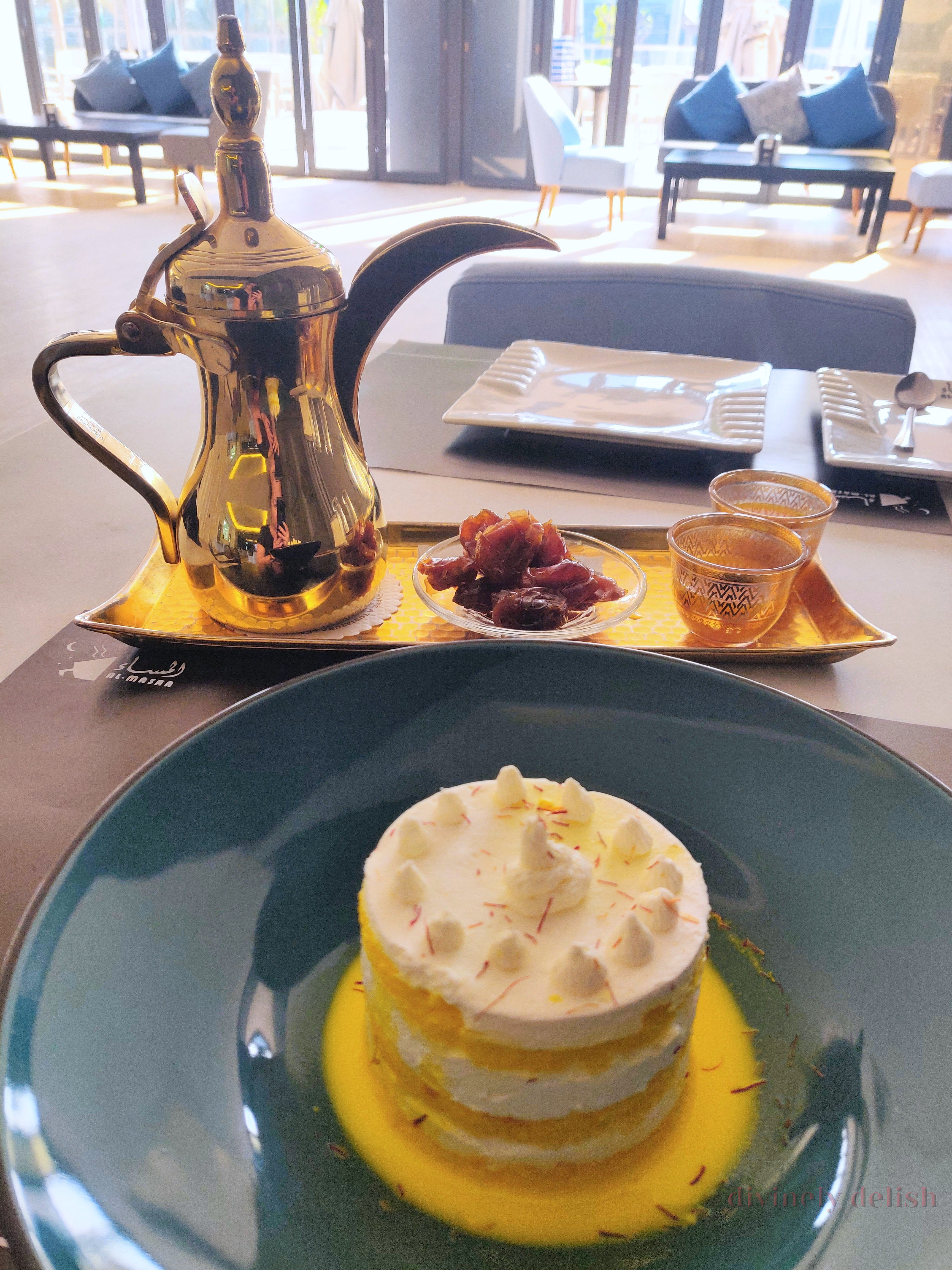
On my last evening, I managed to squeeze in a meetup with another new Saudi friend, Lulu. Lulu was back in Riyadh on a break from her studies in Manchester. I’d actually met her and one of her sisters the previous month on the flight from London. Lulu had wanted to take me to Boulevard World (the entertainment core of the annual Riyadh Season festival) but tickets were sold out. She also wanted to invite me to a shisha lounge but that plan fell through too. In the end, she and 2 of her sisters came to pick me up in their Range Rover, and we drove around listening to Khaleeji music until we finally settled on having coffee at Yamm Coffee Roasters. We then drove through Laysen Valley—a new innovative mixed-use development near the Diplomatic Quarter—which showcases lots of upscale international restaurants and unique concept stores, and was teeming with a young, hip crowd on a Friday night.
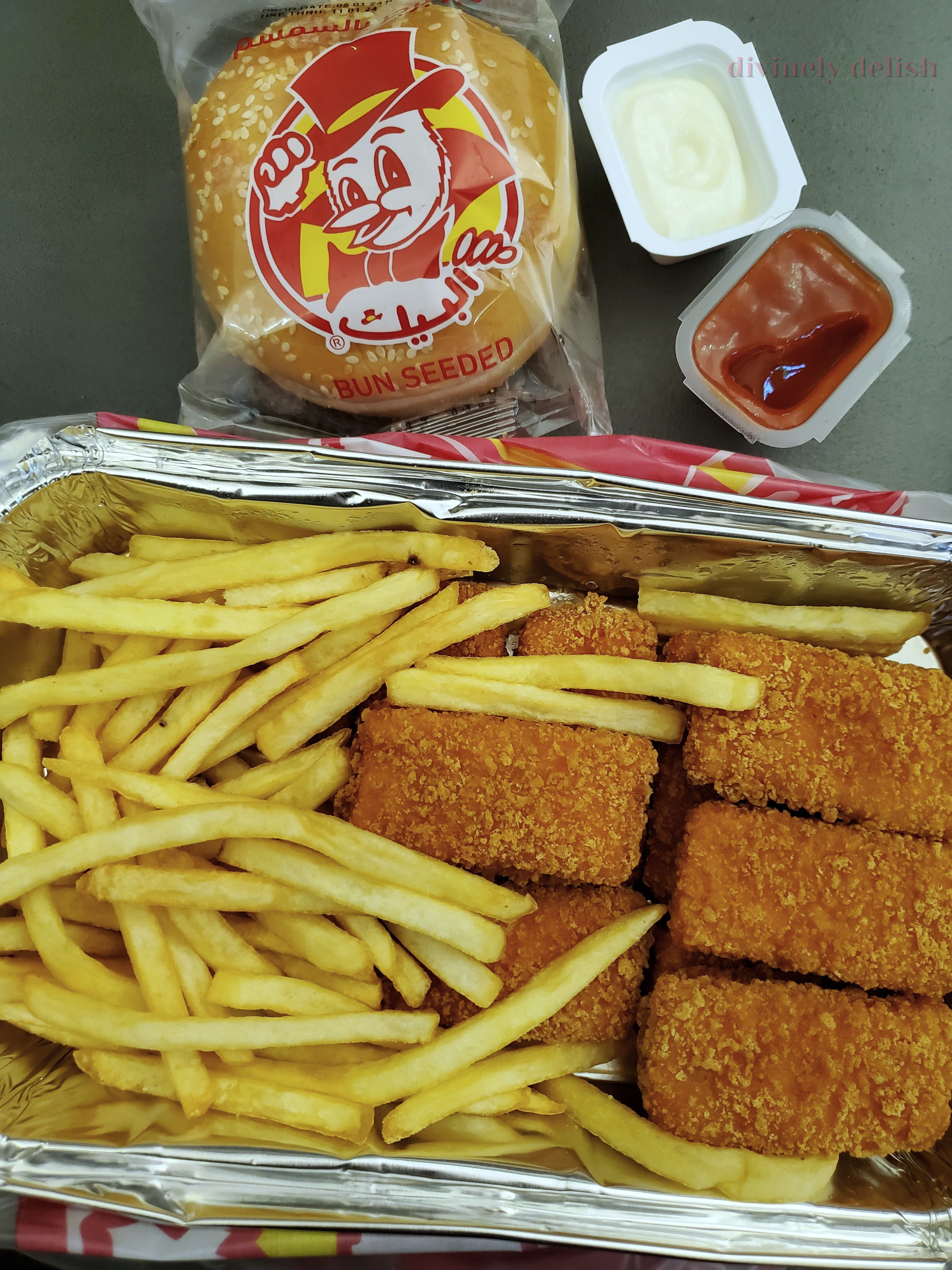
When I mentioned that I hadn’t yet tried Al Baik (the popular Saudi fast food chain) because the queues were always so long, Lulu drove to an Al Baik outlet, where I followed one of her sisters inside and watched her exchange a few words with the manager. Within minutes, we left with a chicken nugget meal and a shrimp meal. We pulled into the parking lot of a Starbucks where I had a taste of the shrimp while I waited for my Uber ride. I didn’t have time to try the chicken nuggets, but they insisted that I take the whole meal with me and eat it at the airport!
Additional Helpful Tips
Contactless payment is widely available in Saudi Arabia. I exchanged dollars for some riyals when I first arrived in Riyadh, but once I used that up, I just paid for everything by tapping my credit card. That being said, it’s never a bad idea to always keep some cash on hand, especially for unexpected situations. In fact, when I changed my booking for Edge of the World at the last minute, Riyadh Hiking would only accept payment in cash.
The weekend in Saudi Arabia is Friday and Saturday. So some shops and tourist sites may not be open or may only be open in the evenings. If you need to go to a bank, it’s important to remember that they’re closed on Fridays! I learned this the hard way when I tried to find a bank to withdraw money to pay Riyadh Hiking, and then realized none were open because it was a Friday (I was able to access an ATM machine at one of the banks, but it didn’t accept my credit or debit cards)! As it was my last day in Riyadh, I got into a bit of a panic, thinking I was going to miss my chance to visit Edge of the World! In the end, they gave me the option to transfer the money via PayPal, which was a huge relief!
Another thing to be mindful of is prayer time in Saudi Arabia, which occurs 5 times a day. Oftentimes, places will remain open, but there’ll be no one around to serve you. I remember one instance at my hotel in Jeddah. I went to the Front Desk to ask a question, but there was no one there, nor was there any sign or notice. Then I caught a glimpse of a man kneeling behind the front desk, seemingly ignoring me, and then it dawned on me that he was praying.
Final Thoughts
Things in Saudi Arabia have been changing at an incredible pace in recent years, and they continue to evolve rapidly. Even if you think you’re well-prepared, it’s likely that some information will be outdated by the time you arrive. But that’s part of the excitement of travelling—you’ll always find surprises along the way!
Since Saudi Arabia was technically a stopover for me on both visits, I didn’t spend as much time in the country as I would have liked. However, I’m thrilled that, even with limited time, I managed to experience so much. While a short visit doesn’t allow for a deep understanding of the people and their ways, it’s certainly a fantastic introduction to the country.
What I do know is that Saudi Arabia is not just what we often hear about in the media. It’s a country in transition, racing toward Vision 2030. It’s more than just the desert. There are breathtaking mountainous landscapes and untouched coastal waters with spectacular diving spots.
I loved the nightlife in Saudi Arabia—not in the sense of clubs and bars, but the lively coffee culture and the vibrant energy that comes alive late at night, when people are out and about. Having the opportunity to truly meet and interact with the locals was one of the highlights of my time there. The people I met were incredibly friendly and hospitable, making my departure bittersweet—I can’t wait to visit again!
Read more about my experiences: Saudi Arabia: Trip Planning and Saudi Arabia: Navigating the Challenges

 Divinely Delish