
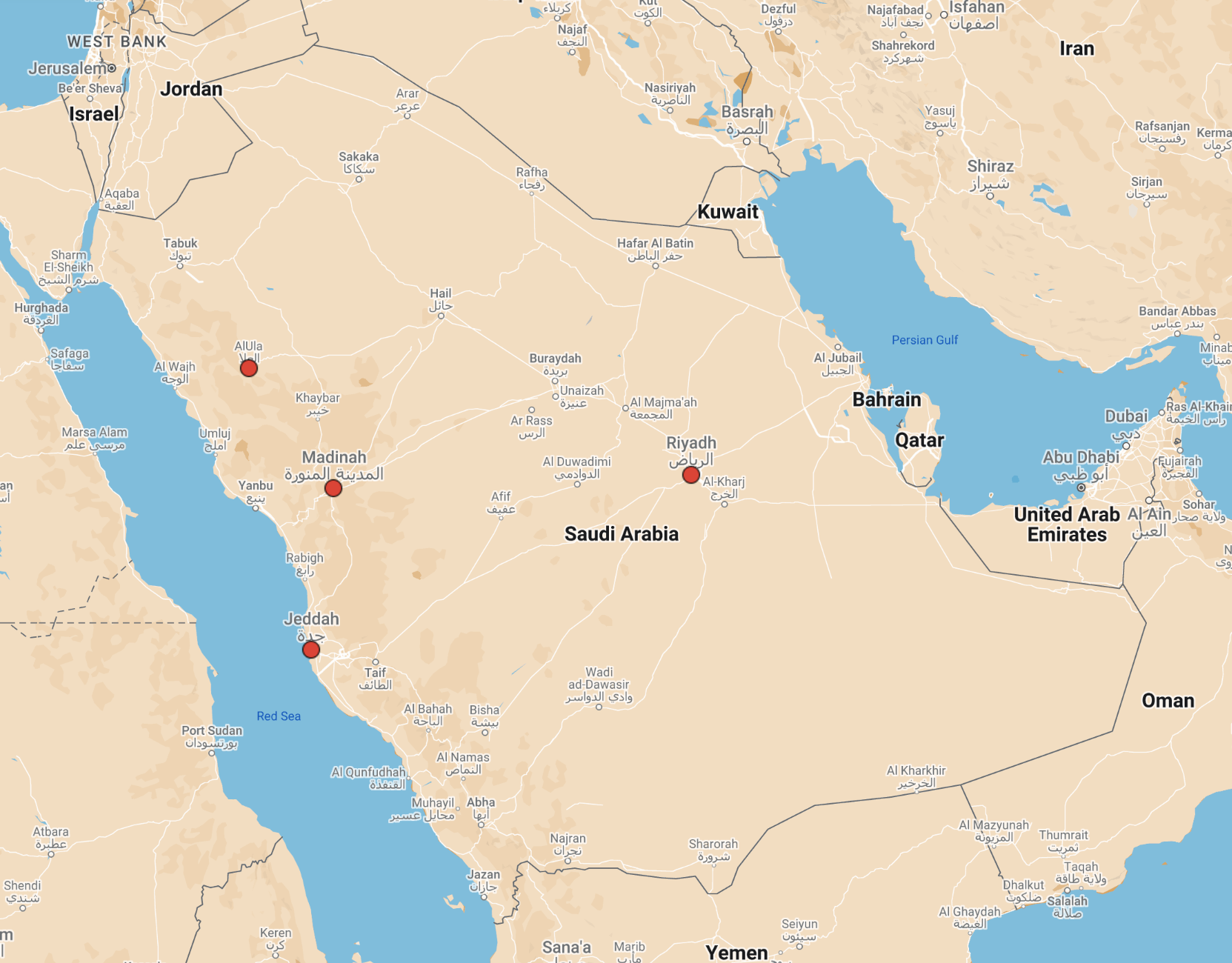
Cities I visited
My original plan was to visit Riyadh, Jeddah and AlUla. But once I started looking at transportation options (or lack thereof), I realized that I would need to include a 4th city – Madinah (Medina). From what I read, taking the bus (or a combination of train and bus) between AlUla and Jeddah seemed to be the most popular option, but there was no way to travel directly by public transport between the 2 cities without stopping in Madinah. So I added the holy city to my itinerary—but not before double checking that, as a non-Muslim, I was even allowed to visit the city. There was conflicting info online, but I can confirm that it is possible to visit Madinah. Apparently, in 2021, the Muslims-only rule was relaxed, although—officially, I think (more on this in the next post)—non-Muslims are still prohibited from entering the gates of the Masjid al-Nabawi (Prophet’s Mosque) compound in the centre of the city (FYI, Islam’s holiest city, Mecca/Makkah, remains strictly for Muslims only).
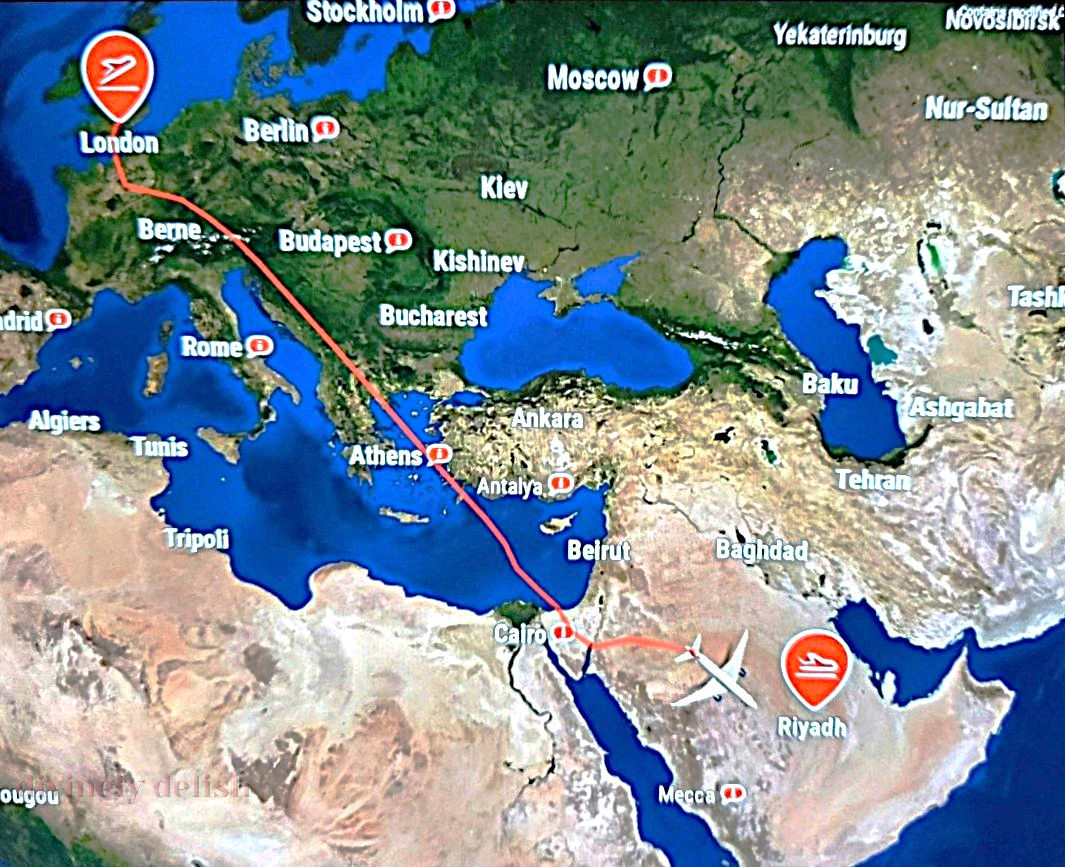
I arrived in Riyadh from London in December 2023, stayed a night, and then early the next morning, I flew to AlUla in the northwestern part of the country. From there, I made my way south to Madinah and continued on to Jeddah on the Red Sea coast. I then left for Kuala Lumpur, Malaysia for a couple of weeks, before returning to Riyadh in January 2024.
Inter-City Travel
First off, Saudi Arabia is not a cheap travel destination. It’s considered a high-income country, so prices in general are on par with what you’d find in developed countries (fuel being an exception!). However, since Saudi Arabia has really only just started opening up to non-religious tourists in recent years, the tourism industry and transport infrastructure aren’t well developed. It’s also a big country, and getting around means having to travel great distances. But don’t expect the same number of choices or frequency of trains and buses between major cities as you would find in more tourist-friendly destinations. There is no country-wide rail network.

The most convenient way to get across the country is by flying, although it can be pricey if you have a tight schedule and not a lot of flexibility. I paid C$308 (US$227) for a one-way, less-than-2-hour flight (purchased almost 2 months in advance) on Saudia from Riyadh to AlUla! Of course, if you can find a flight on Flynas—the low-cost carrier—you’ll get better fares.
There are direct flights between AlUla and Jeddah, but unless you get a flight time that fits your schedule, flying can mean crisscrossing the country, from AlUla in the northwest via Riyadh in the centre and back towards Jeddah on the west coast.
Self-driving between cities is another option, and one that I did consider, as it’s really the most convenient way to get around, not to mention a great way to see the country! Gas prices are cheap too (C$0.78 / US$0.58 per litre when I was there). However, driving solo for 10 to 12 hours from Riyadh to AlUla, and approximately 8 hours from AlUla to Jeddah—with limited time—seemed a little too daunting, even for an adventurous spirit like me.
If you’re trying to get between AlUla and Madinah, your only budget option is travelling by bus. There are no trains. While booking domestic flights is pretty straightforward, trying to book a bus proved a herculean task! When I started my research in September 2023, there was one bus company, Saudi Public Transport Company (SAPTCO) that served the whole country. Every blog post about Saudi Arabia that I read mentioned that I should book my tickets on the SAPTCO website, and that there was only 1 bus a day going in each direction (AlUla to Madinah at 8am; Madinah to AlUla at 5:30pm), so I planned my itinerary accordingly. Then 3 weeks before arriving in the country, I discovered that I could no longer book the bus tickets on the website because the destinations weren’t listed anymore. After some digging, I found my answer on a TripAdvisor forum, where a contributor had posted just a few weeks prior, that SAPTCO was no longer servicing the whole country, but rather, there were now 3 bus companies, each servicing a different region. For the northwestern region (which includes AlUla and Madinah), tickets would now have to be booked through NorthWest Bus.
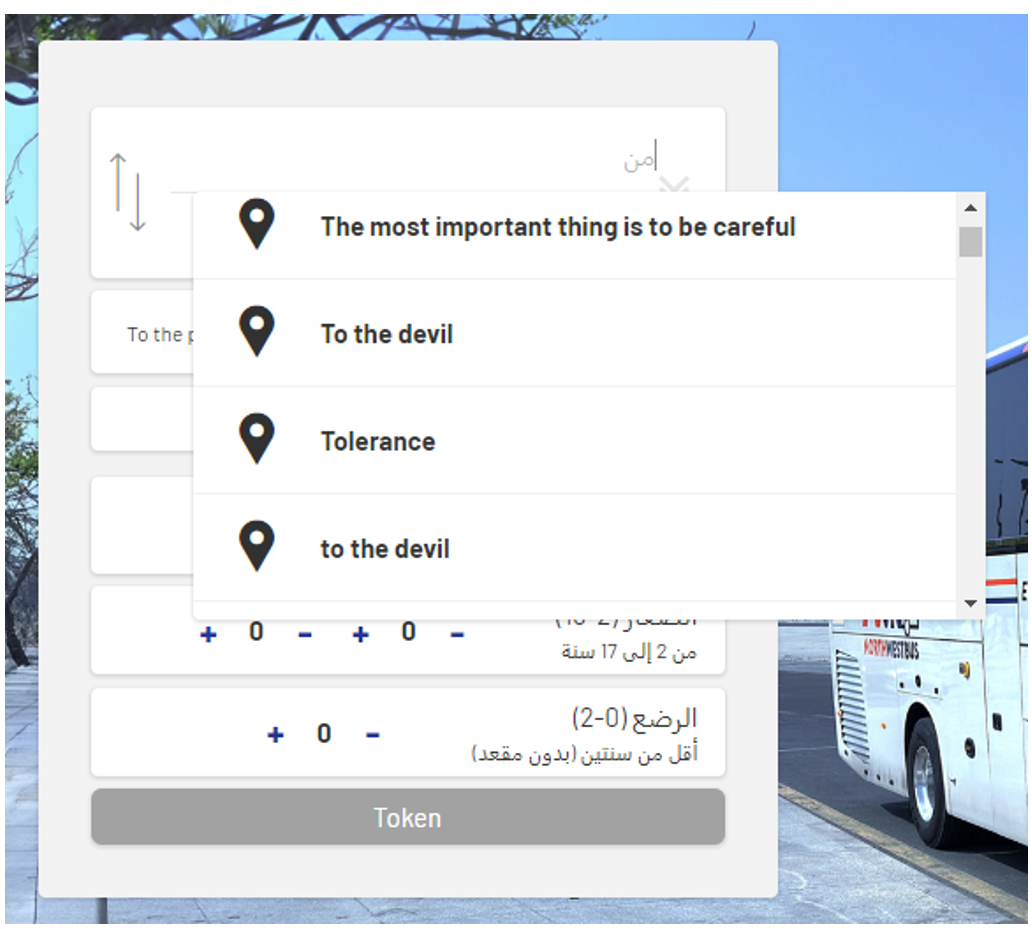
But I soon realized it was impossible to even use the NorthWest Bus website! Even if you selected English for the language, the page still opened up in Arabic. You could choose to translate to English, but it didn’t make much difference, as you can see in these screenshots from November 2023:

If you clicked on the dropdown menu, it quite literally translated the names of the cities—or at least, that was what I thought. But which city would be called something that means “to the devil”?!🤣
A few days later, I tried the website again—this time using my phone instead of my laptop—and the website worked! The one-way bus ticket from AlUla to Madinah (journey of 5 hours and 18 minutes) was SAR 109 (C$39 / US$29) but by then, I’d already decided I’d just buy the ticket in AlUla. Once there though, I changed my mind about taking the bus and splurged SAR 600 (C$215 / US$160) to go the 340 km to Madinah by private taxi, which my hotel kindly arranged for me.
I had originally planned to take the Haramain High Speed train from Madinah to Jeddah. They have many trains a day, and from everything I’d read, it seemed like a pretty comfortable and relaxing way to travel. However, when I was in Madinah and trying to book the train, I found out that each passenger is only allowed 1 piece of luggage (55cm x 65cm x 35cm, with a maximum weight of 25 kg), and 1 handbag. If your bag is oversized or too heavy, they will send it, for an additional fee, via Saudi post. I wasn’t sure how strictly this rule was enforced, but I didn’t want to take a chance with my luggage. Fortunately, I was able to find a last minute flight to Jeddah on Flynas for SAR 293 (C$105 / US$78), which was within the range of prices for business class tickets on the high speed train, so it seemed like a pretty good deal, all things considered.
Intra-City Travel
City buses are the only public transport available in Jeddah and Riyadh. I never took the buses, so I don’t know how efficiently they run or how easy it is to get around if you don’t speak or read Arabic. I did walk by the nicest bus stop I’d ever seen though. I’m guessing they’re not all like this, but the one I saw was enclosed, with air conditioning, complete with an ATM machine inside!
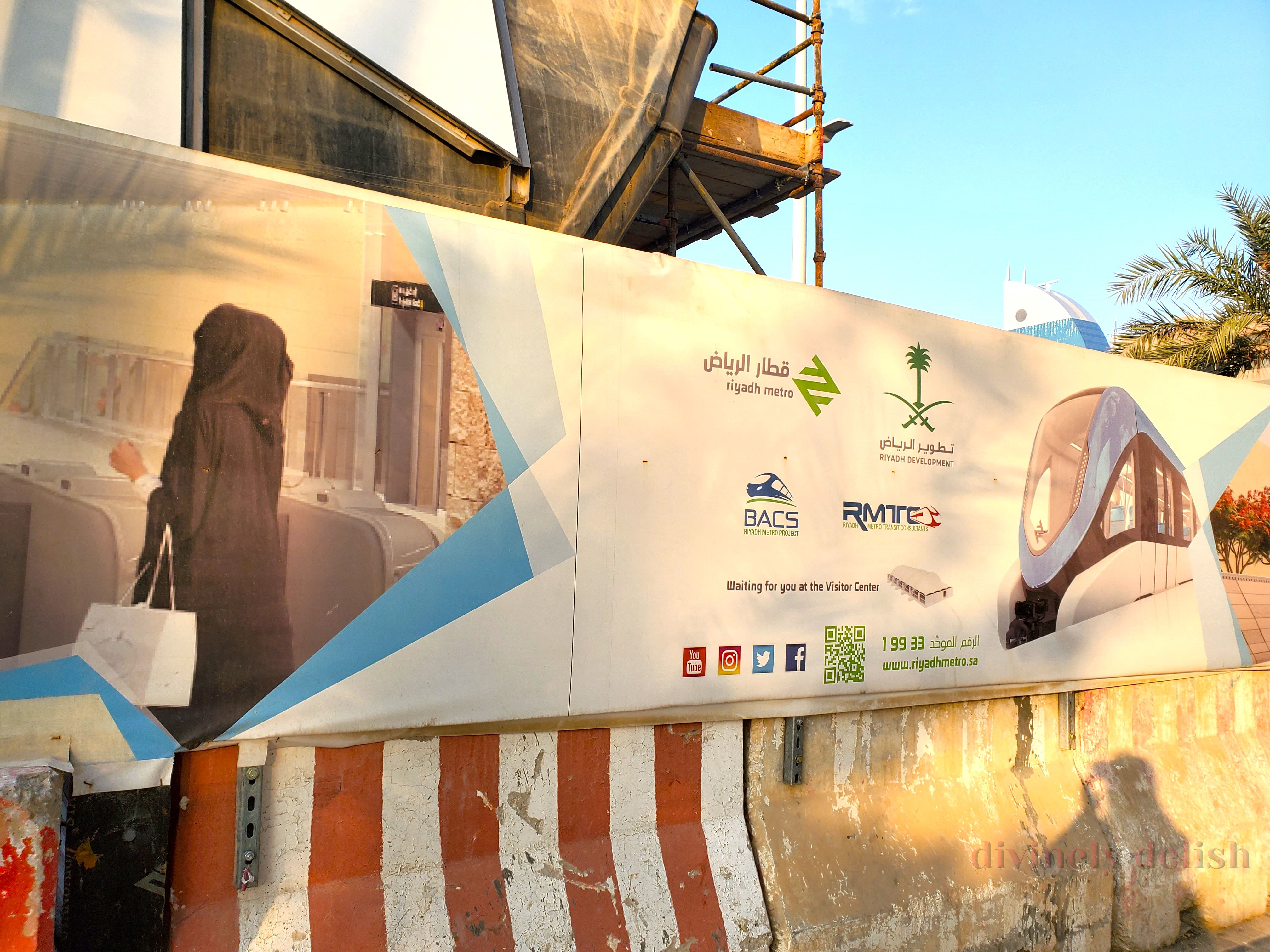
Most travellers find it easiest to get around the main cities by taxi or ride-sharing. The latter is probably a bit more expensive, but generally more convenient. There are a number of ride-sharing apps in Saudi Arabia, but the 2 most popular ones are Careem and Uber. I had read that Careem might sometimes be a little cheaper, but I had issues installing the app so I just ended up using Uber in Madinah, Jeddah and Riyadh . The costs certainly add up when you’re solely relying on ride-sharing or taxis, but until they get the Metro system up and running (the Riyadh Metro hadn’t yet been completed when I was there and is supposed to begin operation in December 2024, and the Jeddah Metro is apparently under construction too) or you want to figure out the local bus routes, you don’t really have any other choice.
A couple times, simply out of convenience, I did take what I guess are unlicenced taxis (I didn’t really think about it as such at the time). I ensured that they didn’t charge me more than the rate on Uber, and also confirmed beforehand that they accept credit card. However, when it came time for payment, they would say they couldn’t take my credit card, and asked for cash. What did they do when I insisted I didn’t have any cash on hand? They would drive to a gas station, fill up to the cost of my ride, and then I would pay for it!
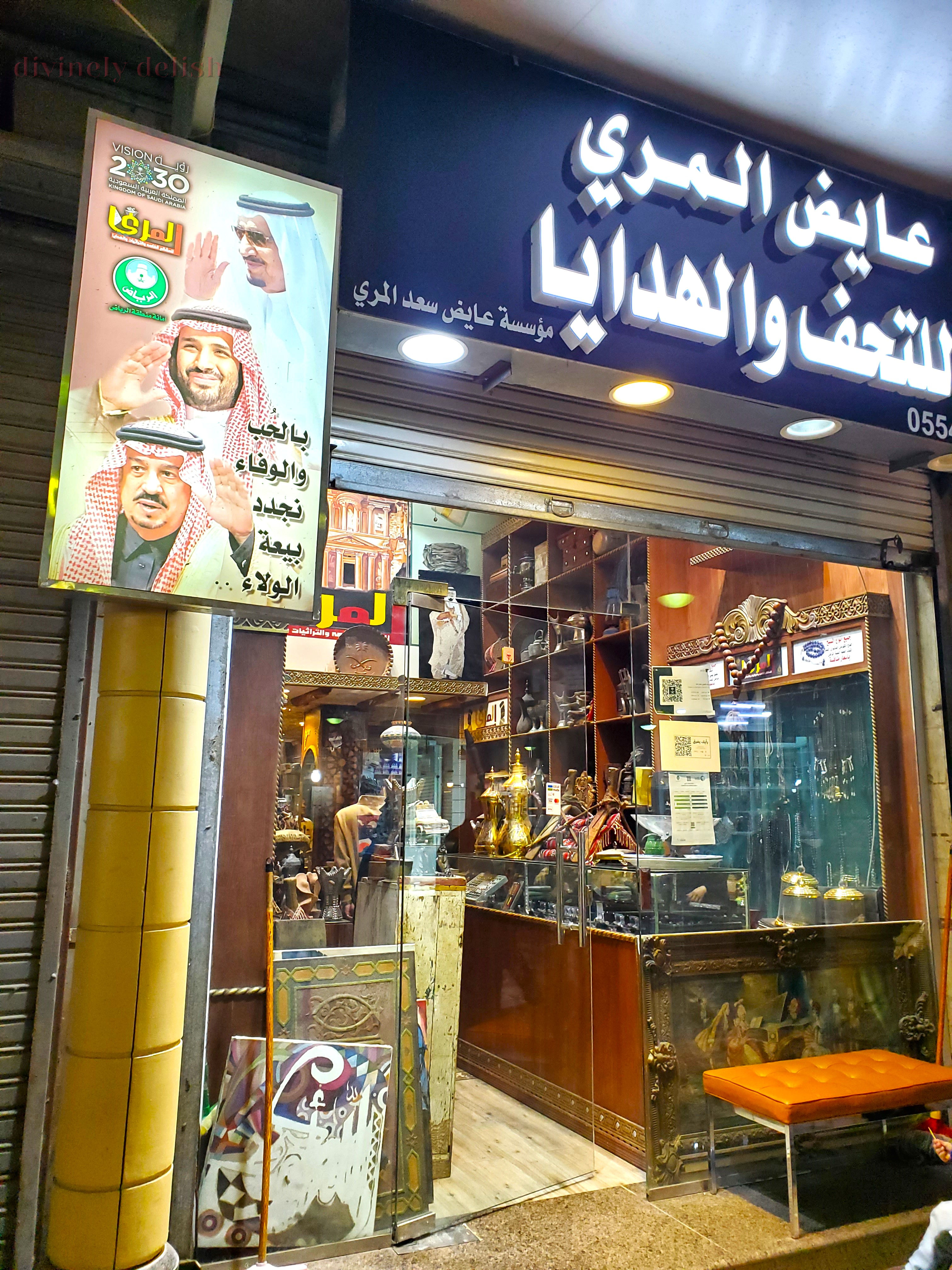
I had imagined spending hours exploring the cities on foot, just as I’d done in other countries, but quickly realized that Saudi cities are really spread out and not pedestrian-friendly! Every time I googled the directions to walk from one place to another, it always seemed to take an impossibly long time. Sometimes, even if you just want to walk to a place across the street, it can mean having to take a 15-minute circuitous route because there’s no crosswalk or footbridge in sight.
Driving and Car Rental
You could, of course, opt to drive. Depending on the length of your trip and the number of places you want to visit, it might actually be the cheapest option. I reached out to a female travel blogger to learn more about her experience renting a car in Riyadh on her own. She had driven in the Philippines before, and said that in comparison, driving in Saudi Arabia was pretty easy, especially outside of the big cities. She also recommended bringing a phone holder, since she had gotten fined for having her phone in her hand while trying to navigate using GPS. Although online sources suggest getting an International Driving Permit, she managed to get by with a Belgian driver’s licence even though it was in Dutch!
I didn’t end up driving in Jeddah and Riyadh, but I decided that I was going to have to rent a car in AlUla. Considering that I had just seen some sobering statistics on road traffic fatality rates in Saudi Arabia, I was a little hesitant, to say the least! But in AlUla, there just aren’t a lot of options, unless you go there as part of a tour group. AlUla actually encompasses an area with a number of archaeological sites spread throughout. I would regularly drive 20 to 30 minutes to get from one place to another. It’s no wonder all the independent travellers who’ve been to AlUla recommend self-driving. There’s no way I could’ve seen everything if I hadn’t driven. You could rely on Careem and Uber drivers, but I’d read that you could be waiting up to 30 minutes for your ride to arrive, which would be highly inconvenient especially since you have to pre-book certain times to access the various sites. You could probably try arranging for a private driver, but it most certainly would be very expensive!
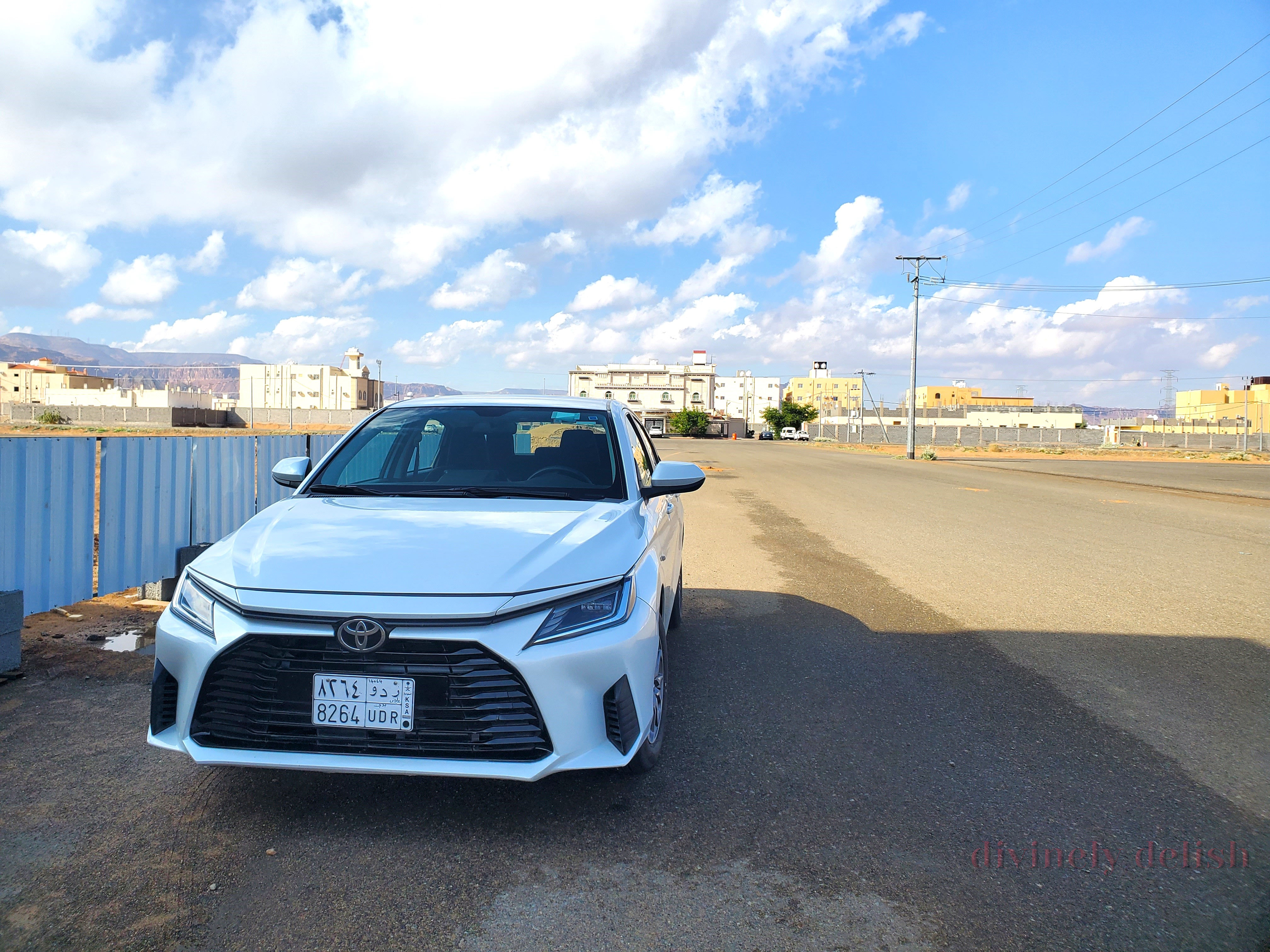
Before flying in, I found out which car rental companies had a presence at the AlUla airport and tried to pre-book a car. It was an incredibly frustrating experience! I initially tried to book with Lumi, and when that didn’t work out, I tried Budget, but their website wouldn’t accept my credit card. My bank confirmed there were no issues with my card, so I emailed Budget in Saudi Arabia. The person who replied said he would pass my email on to someone else, but eventually nothing came of it. So, without a confirmed booking, I wasn’t even sure I’d get the car I wanted when I got to the Budget counter at AlUla airport. Thankfully, it all worked out in the end, and I picked up the car (I got an International Driving Permit prior to arriving in the country). Unlike renting a car in Canada or the U.S., where it’s the norm to get unlimited mileage included in the price, car rentals in Saudi Arabia typically include a limit of 300 km/day, with the option to purchase more. Including additional mileage and insurance, my car rental cost SAR 182.70/day (C$65 / US$48.50). They also advised me that they would charge a SAR 2000 (C$715 / US$533) deposit, which would be refunded after I return the car. This is standard practice to offset any traffic fines you might incur while driving the rental car. In my case, Budget just put a pre-authorized hold on the deposit amount, but didn’t actually charge me.
Saudi drivers are notorious for being reckless and ignoring speed limits and traffic rules. It’s not surprising the first thing I saw when I got onto the highway from the airport was a car accident! I noticed that when drivers were overtaking, they often cut back into the lane dangerously closely, leaving minimal distance between their car and mine. One time, I was just pulling out onto a main road, and I saw a car coming head on towards me! For a split second I thought I had wrongly turned onto a one-way street! But then I realized the oncoming car was actually overtaking another car (or maybe a few cars!), and managed to make it back into its lane just in the nick of time! That was the scariest moment for me.
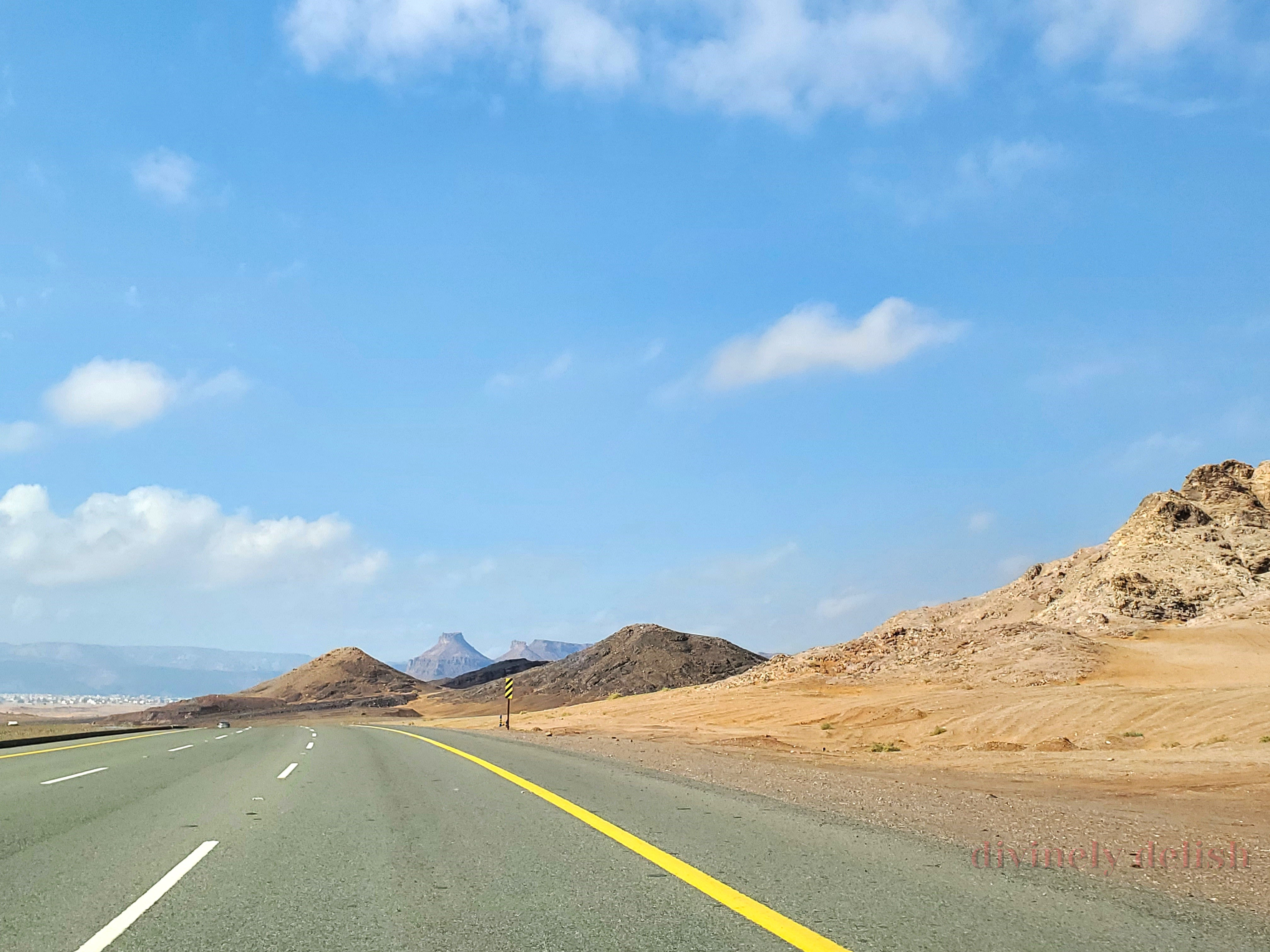
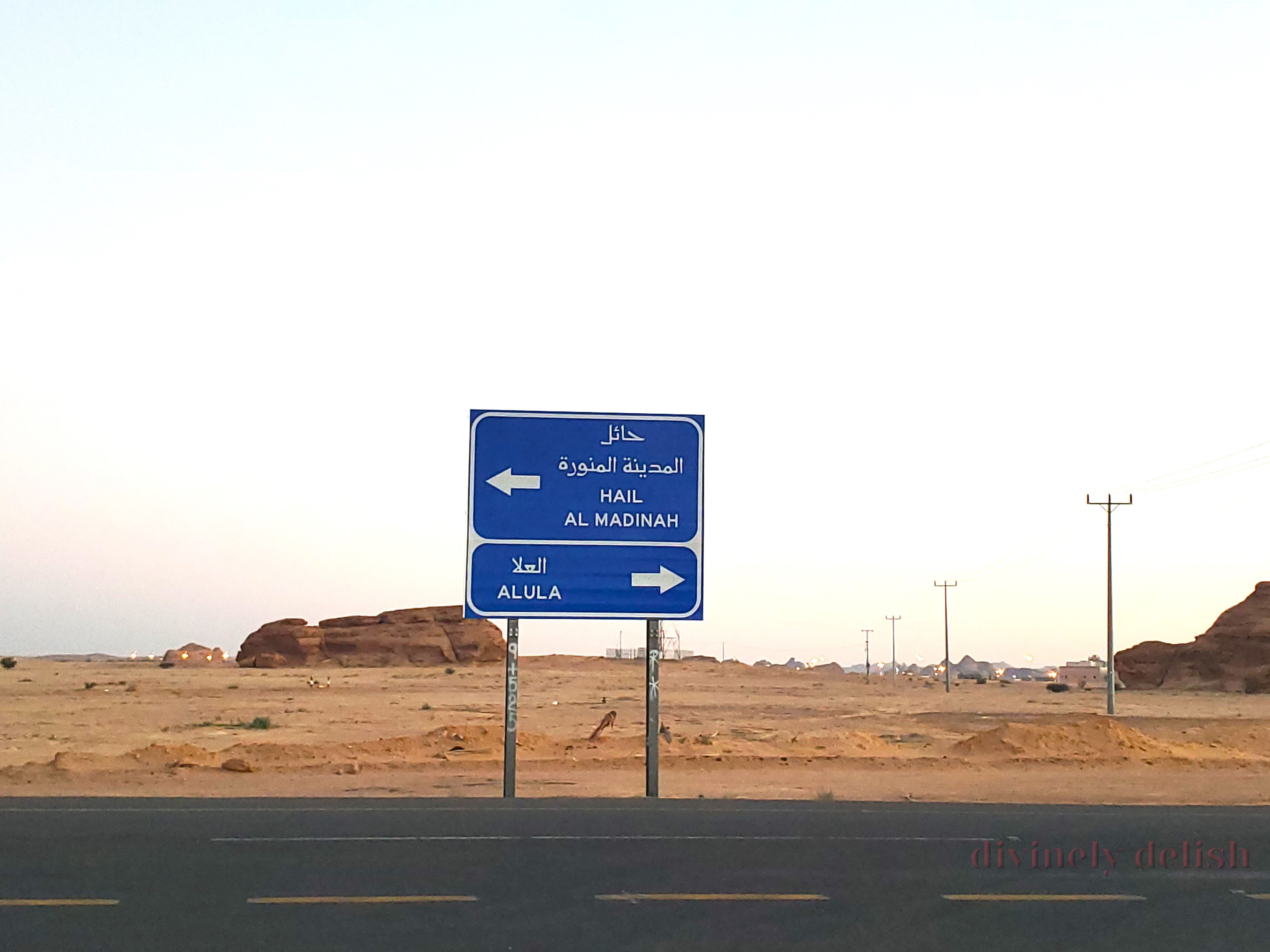
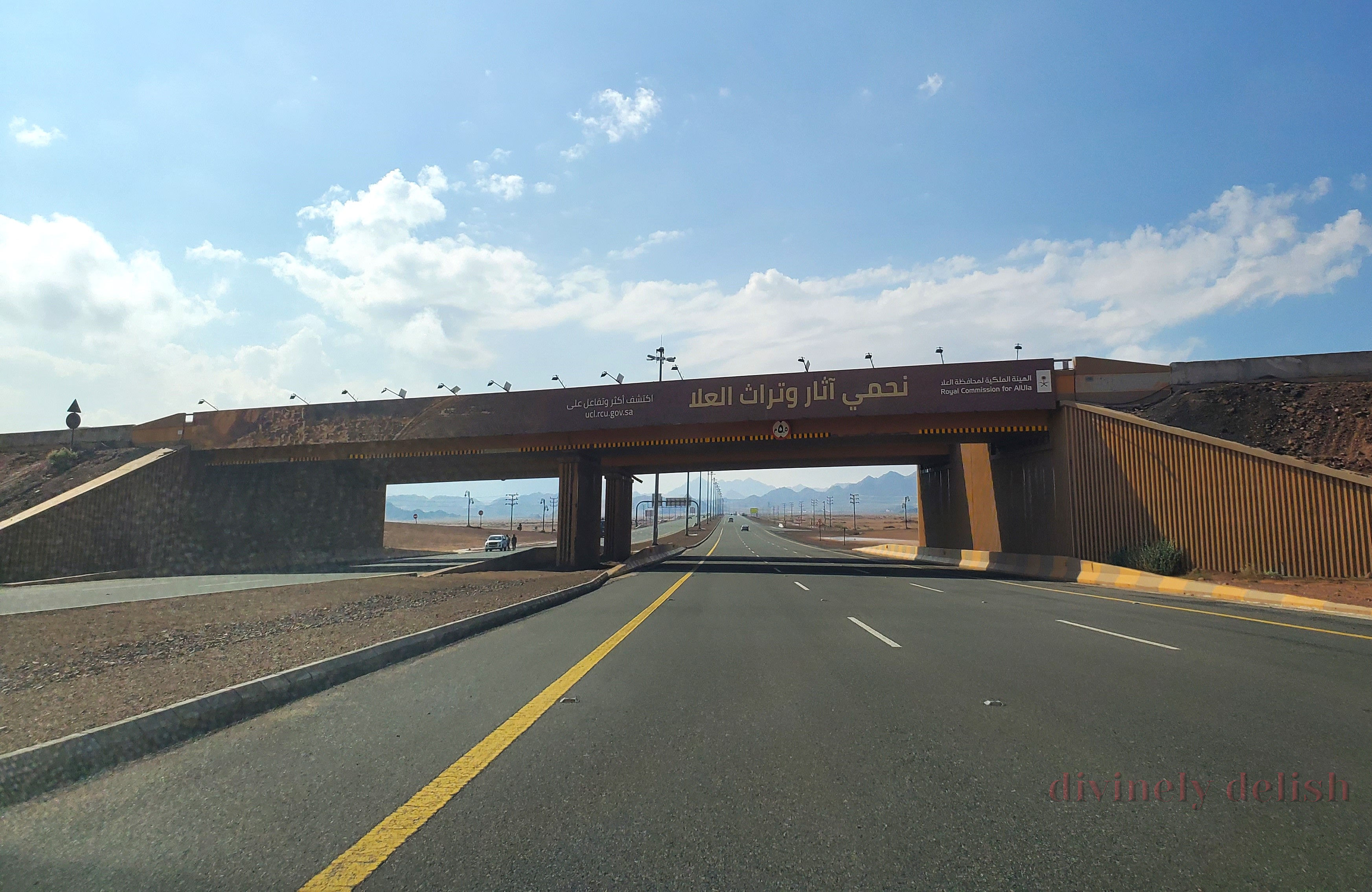
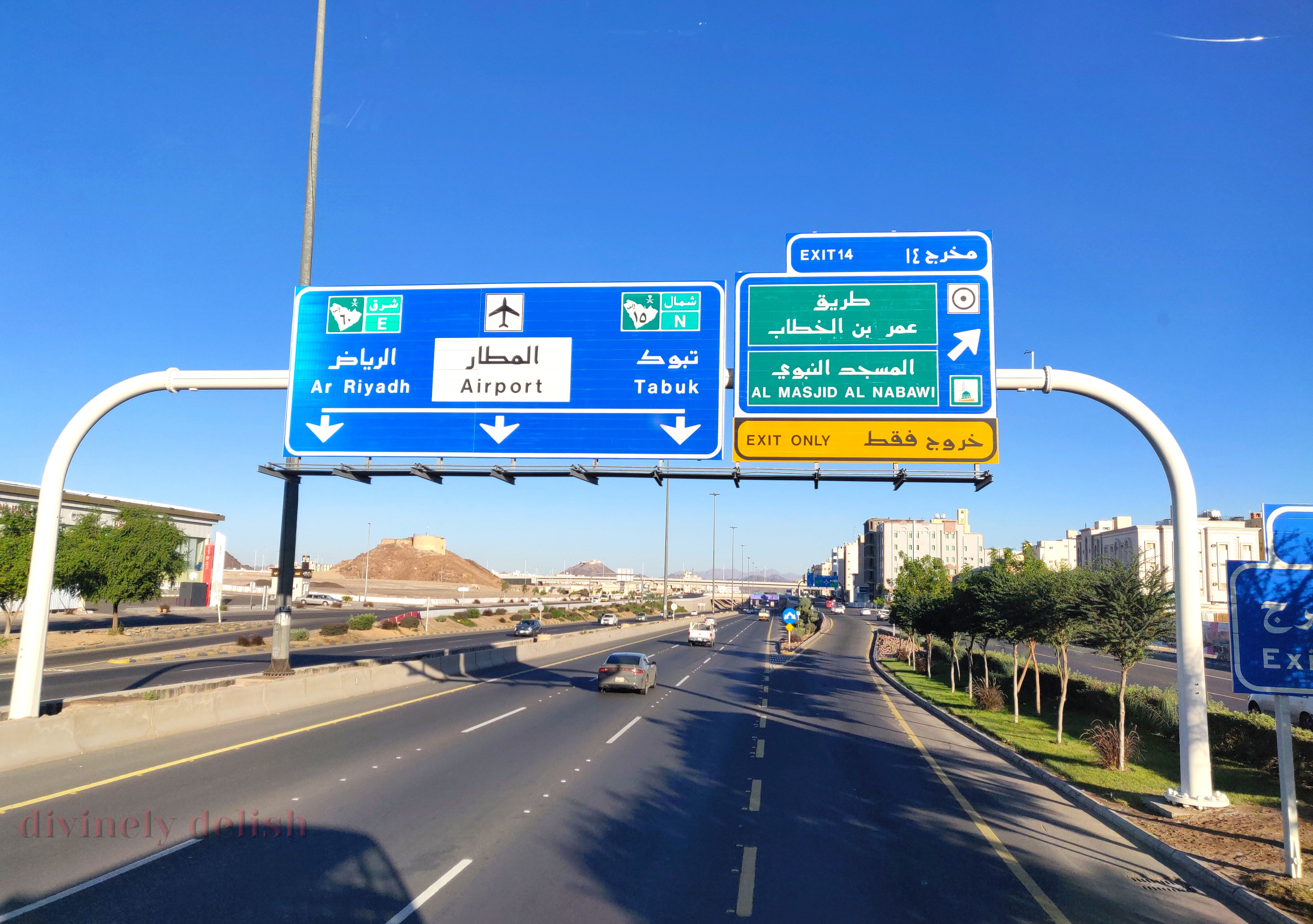
However, despite my experiences, I would have no qualms driving again in Saudi Arabia! I drive in Malaysia, and although driving there isn’t as crazy as other Southeast Asian countries, I found it less stressful driving in Saudi Arabia, where there are no narrow roads with traffic congestion, or motorcyclists riding in blind spots or perilously weaving in and out of traffic. There are lots of wide open roads that are well-maintained, excellent highways—not unlike what you’d find in Canada and the U.S.—and driving in a town centre is actually pretty civil compared to some other countries. Road signs are generally in both Arabic and English, although numbers—on speed limit signs, for example—are in Arabic only. But it shouldn’t be a problem unless you’re driving faster than the locals! And anyway, with all the speed bumps—there are lots of them, and they’re not always clearly indicated—it’s best to slow down. Let’s just say, my car was subjected to more wear and tear than it should have been, had I been more attentive to unmarked speed bumps (one of the screws on my front licence plate was actually jolted loose and fell off somewhere, and I had to ask Nadim, the friendly Bangladeshi receptionist at my hotel, to find and drill in a replacement screw)!
Entering, Leaving, and Getting a SIM Card
Due to the cold weather in Canada and London, my hands were so dry and cracked that I had trouble producing a digital thumbprint at Saudi Immigration. The officer kept asking me to clean my fingertips with the antibacterial gel provided, even as I tried to explain that my fingers weren’t dirty! I had to scan both my thumb and index finger several times before one finally registered. It was a slight hiccup that I didn’t think any more of once I exited to the Arrivals hall. I was just thrilled to see that, at almost midnight, the STC shop was still open and I could buy a SIM card right away (an STC SIM is most recommended, as it offers the best country-wide coverage). I expected a quick, no-fuss transaction. Little did I know things were about to get a lot more complicated: fingerprint biometrics isn’t just used at Immigration – it’s even required to buy a SIM card!
After six unsuccessful attempts trying to get my fingerprint, the STC salesperson informed me that he had to pass the task on to his co-worker. And after another six tries, I was locked out of their system. I was in disbelief! I pleaded with them but the only solution they could offer was for me to try another STC shop in a different terminal.
When I had initially exited to the Arrivals area, I was approached by several taxi drivers, each offering to take me to my hotel. I declined all of them, but one driver was very persistent, and insisted on waiting for me to get my SIM card. He turned out to be a lifesaver because when I needed to find that second STC shop, he offered to drive me to the other terminal!
At the second terminal, I found myself in yet another long queue. After waiting what seemed like forever, I failed again to produce a viable fingerprint—both at the STC shop and another mobile phone provider next door. By then, it was probably close to 2 am, and I was completely exhausted and utterly frustrated. I was counting on having internet access on the go to use Google Maps, research places of interest, book tickets, etc. Moreover, how was I going to drive in AlUla without GPS navigation?!
Eventually, I got back to my hotel near the airport. Prior to the debacle, I’d negotiated and settled on a price for the ride, but I ended up paying the driver a premium in appreciation for his assistance. In desperation, I asked both him and the hotel receptionist if they could somehow help me get a SIM card (never mind that it was around 3 am at that point)!
The next morning, I flew to AlUla, and after sorting out my car rental, I went to the tourism info desk to pick up a paper map. They didn’t have any and—thinking that it hadn’t occurred to me to find a map online—the lady suggested that I could use my phone. So, I launched into my SIM card saga as she listened sympathetically. She recounted my experience to the seller at the STC booth and then did something I would’ve never expected. She asked if she could give her own fingerprint in place of mine! When that was, unfortunately, not possible, she kindly offered to purchase a SIM card in her name for me!
Alas, I didn’t have to take up her offer because when I attempted one last time, I managed to provide a fingerprint that was passable enough for the vendor. Honestly, I think he accepted it more out of compassion than clarity!
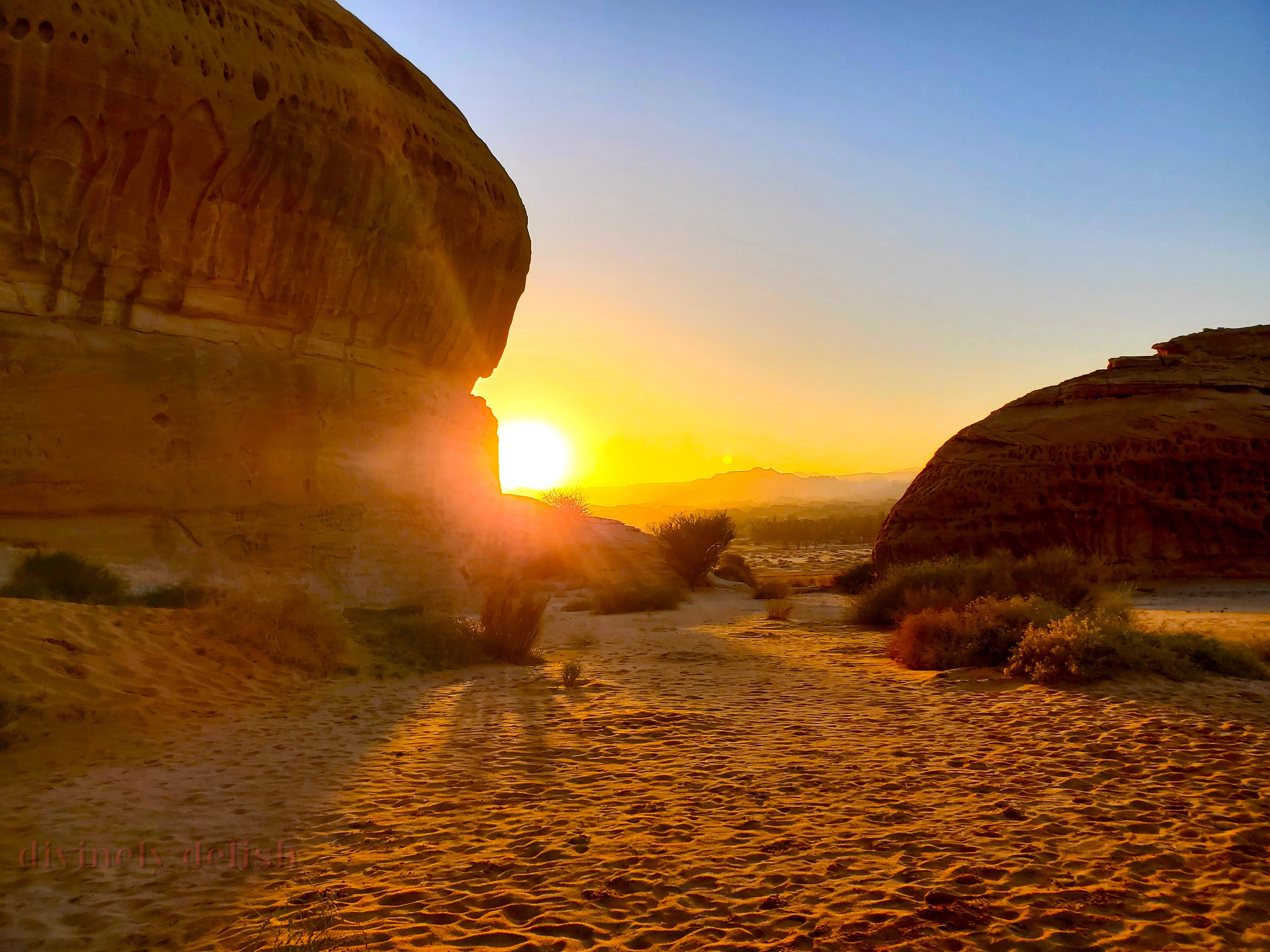
I was relieved to finally have a SIM card, and also incredibly grateful to the lady. I couldn’t thank her enough for the lengths she was willing to go to to assist me! I filled out a feedback card with nothing but praise for her. It was the very least I could do for someone who went above and beyond to help a total stranger. This unexpected challenge turned into a wonderful reminder of the hospitality and kindness I encountered throughout my journey.
I should add that my problems with fingerprint biometrics didn’t end there! A digital fingerprint is required even when exiting the country! After several failed thumbprint attempts at Immigration at Jeddah airport, I was asked to go to an office. I think my first thought was that I was going to be detained or something and I’d miss my flight! Seeing a roomful of serious-looking uniformed male officials only heightened my anxiety. But this gave way to relief when the one of them took my passport and, with a warm laugh, said “Don’t worry. If you have any problems, just come and see me—I will take care of everything.” With that, he stamped my passport, and I was good to go!
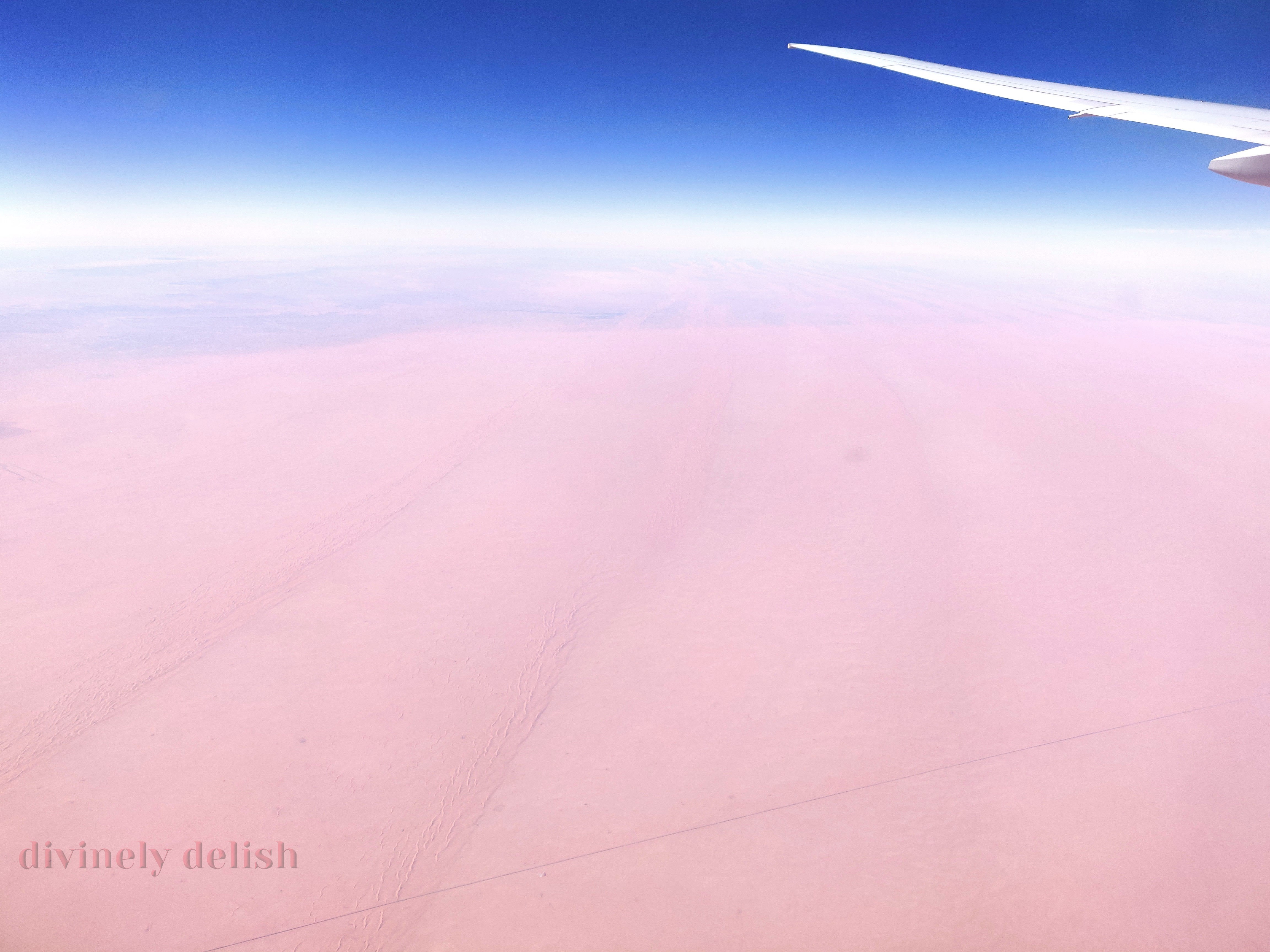
Spending a few weeks in the tropical heat of Malaysia did wonders for the skin on my hands, and when I returned for the second time to Saudi Arabia, things went a lot smoother at Immigration!
Next up – the final installment of my Saudi Arabia series. In case you missed it, make sure to read my previous post on Saudi Arabia: Trip Planning.

 Divinely Delish
Pingback: Saudi Arabia: Highlights & Culinary Delights | Divinely Delish·
I am travelling in Saudi now, using an e-sim. Seemed to have bypassed your problem of getting a SIM card.
Yes, next time I will definitely use an e-sim!! Enjoy Saudi!!
Pingback: Sri Lanka | Divinely Delish·