
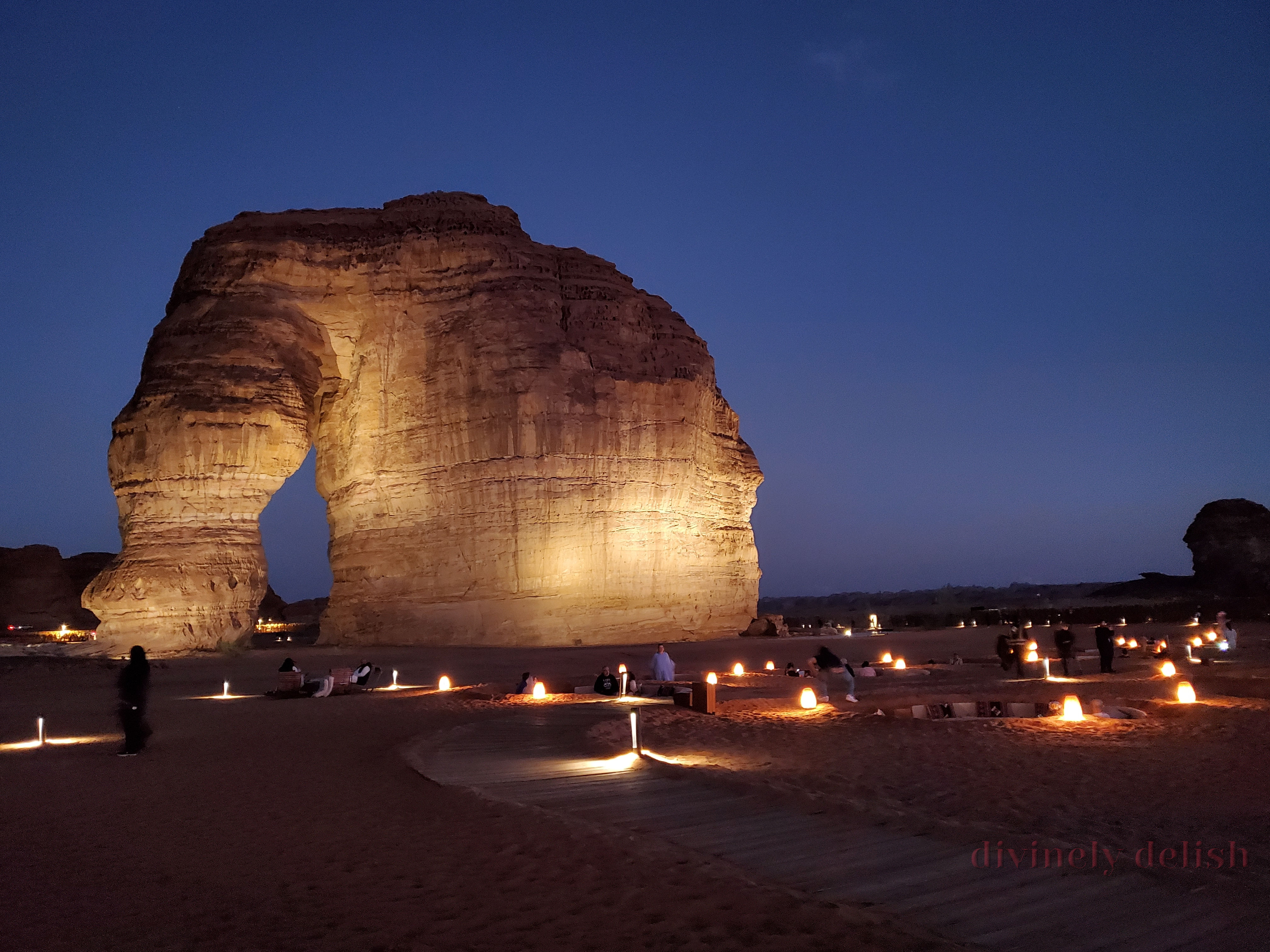
While I usually prefer underrated destinations over more popular vacation spots, I never seriously considered Saudi Arabia, only because the country had not been easily accessible to non-religious tourists. But I finally got the opportunity to travel there in December 2023 & January 2024!
Last year, my sister had a layover in Riyadh on her way from London to Kuala Lumpur. She mentioned that although most Saudi women she saw at the airport still wore the black abaya (long, loose-fitting robe-like garment) and niqab (cloth covering the head and face, except for the eyes), there was actually no longer a requirement to wear either. In fact, women didn’t even need to wear a hijab (head covering for the hair and neck, but not the face) anymore. This was all news to me, and I was curious to find out more about these reforms. I learned that the dress code for women had changed in 2018, the same year that the driving ban for women was lifted and cinemas reopened after more than 35 years. In September 2019, Saudi Arabia started issuing visas to non-religious tourists for the first time. I had actually recently started seeing Saudi tourism commercials on TV, which struck me as kind of odd, but now it all made sense!

Fast forward a few months and I was, as usual, looking into flights to Malaysia over Christmas, most of which were ridiculously expensive (2 or 3 times what I paid pre-pandemic). So I got creative and searched various routings going through cities I would’ve never considered before, and even looked at splitting up the journey into 2 separate tickets. Surprisingly, Vancouver to Riyadh return, via London on British Airways, was one of the cheapest options – C$1540 in total – much cheaper than flying via Asian cities, and even cheaper than flights to major hubs like Doha, Dubai or Istanbul. So I purchased the ticket, and that’s how I ended up going to Saudi Arabia! Lucky for me, I was able to redeem frequent flyer points for a roundtrip ticket between Saudi Arabia and Malaysia, for the second part of my trip.
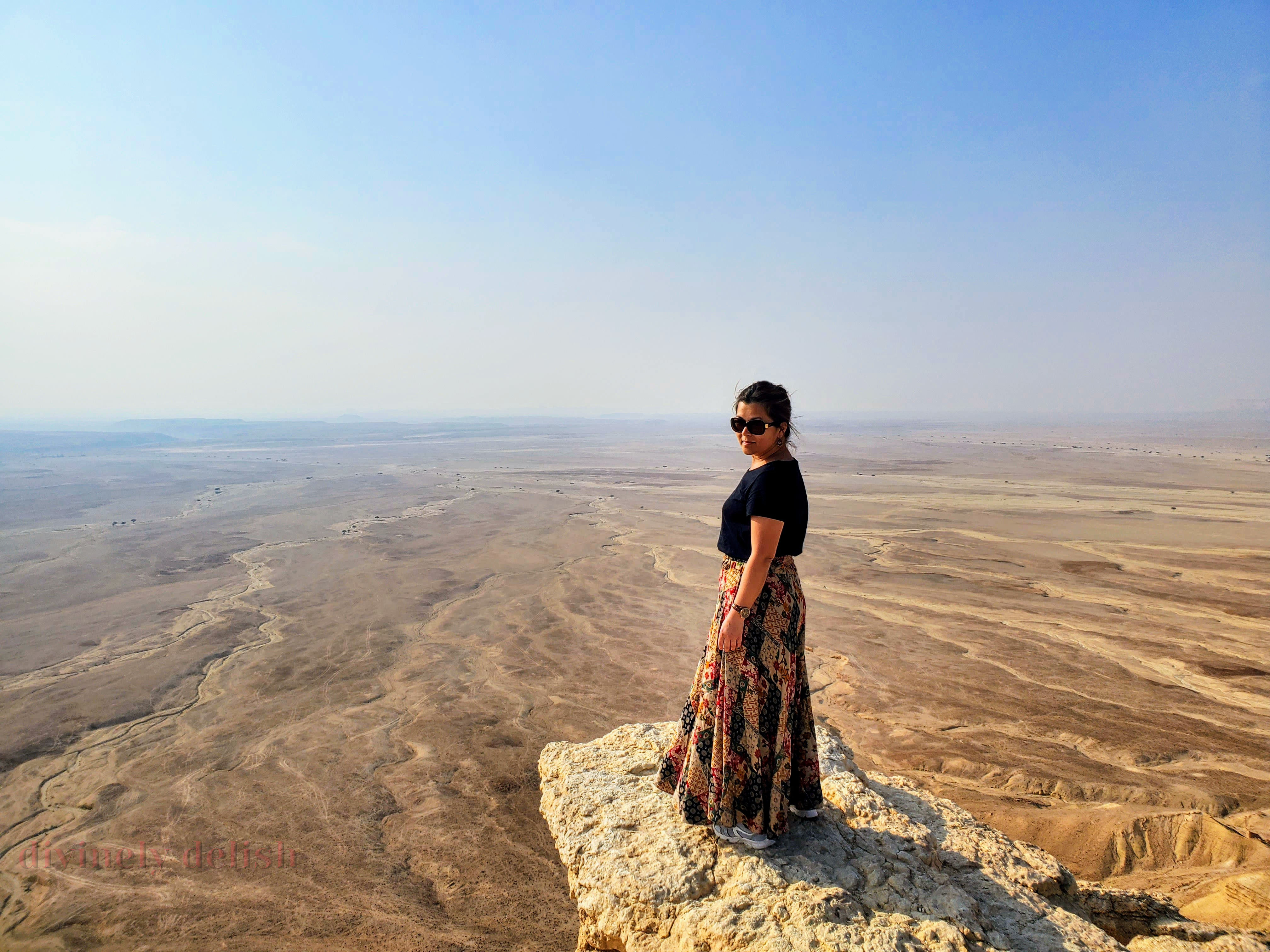
As excited as I was about going to a country that I never imagined I’d ever visit, the months leading up to my departure were, admittedly, quite stressful at times. I spent so much time researching and planning, I’d be lying if I told you I didn’t hit a few bumps in the road. The preparation was like nothing I’d ever done for previous trips!
I’ve relied on Lonely Planet country guides for many years. But not surprisingly, I couldn’t find one for Saudi Arabia, other than a paperback edition selling on Amazon, published 20 years ago! Fortunately, I found a handful of Saudi Arabia blog posts written by intrepid travellers – Destination the World, The Wandering Quinn, Anna Everywhere, Katie Goes, ShavysWorld, amongst a few others. These firsthand accounts proved to be incredibly helpful, as I pieced together my itinerary. I was particularly interested to read about the experiences of solo female travellers. The Visit Saudi and Experience AlUla sites were great sources of info too. I also watched YouTube videos to get a sense of what it would be like visiting the holy city of Madinah, and to get an idea of driving conditions. I even relied on Instagram photos to guide me on how to dress!
What to wear
The initial question that everyone asks, inevitably, is “what are you going to wear?” “Do you have to wear a hijab?” I even got asked seemingly ignorant questions like if I need to wear a burqa (FYI, Saudi women don’t wear burqas)!
Although there’s no longer a strict dress code, women (and men, too) are still expected to dress modestly. But Saudi standards of modesty are obviously different from what some of us would consider modest. I spent a disproportionate amount of time trying to figure out what clothes to pack. It wasn’t easy to find the answers since there didn’t seem to be a clear set of rules. Do you have to cover up to your ankles? Can you show your arms, and if so, how much? I had to sift through a lot of info online, some of which was no longer relevant. From what I gathered, women should at least cover their knees and shoulders, clothing should be loose fitting, and if wearing tight jeans or leggings, it should be paired with a long top that covers the butt. All the photos I saw were women in mostly long-sleeved maxi boho dresses (and a few in shorter calf-length skirts and elbow-sleeve tops). Some bloggers commented that they felt more comfortable wearing abayas in Riyadh and Jeddah, to blend in with the locals, while the dress code in AlUla, which attracts many foreign tourists, is somewhat more relaxed.
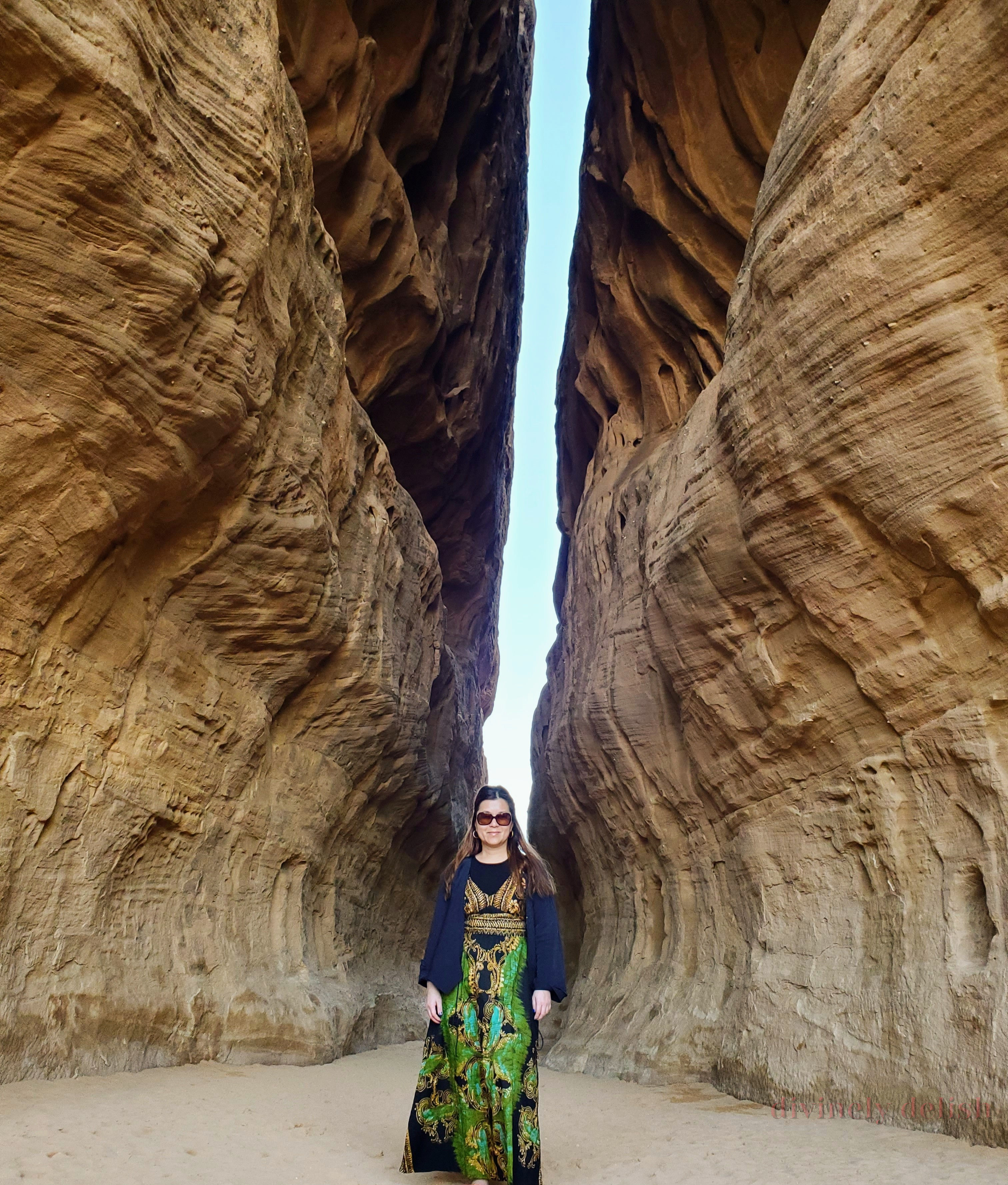
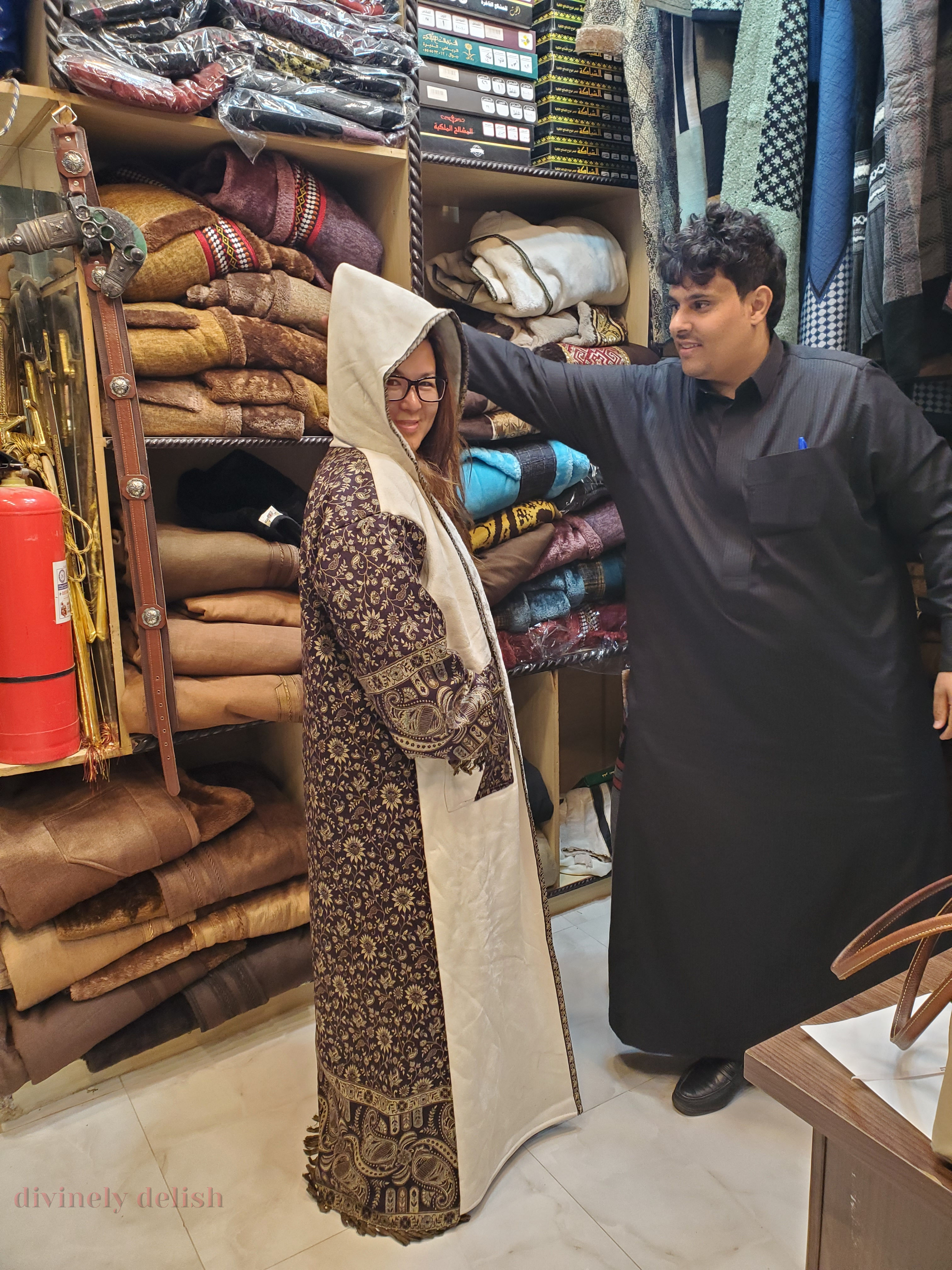
The first thing I did was go through my wardrobe. I packed several maxi skirts and dresses and long blouses. Some of my clothes would not have been appropriate worn on their own, so I went shopping for items to wear under low-cut dresses and tops, and over sleeveless dresses. Because of the way I’d planned my trip, I was headed to AlUla first, followed by Madinah, Islam’s second holiest city. I wasn’t expecting AlUla to have much in terms of shopping, so I needed to have an outfit ready for Madinah. I spent a lot of time searching online for abayas and even went to a Middle Eastern shop, but didn’t find anything to my liking, so I bought the longest (knee-length) cardigan I could find. Eventually though, I found a loose-fitting, long-sleeved black maxi dress for just $20! The only drawback was that it was super low cut in front, but nothing that couldn’t be solved with my other purchases. To complete my Madinah outfit, I borrowed a black hijab from an Iranian friend.
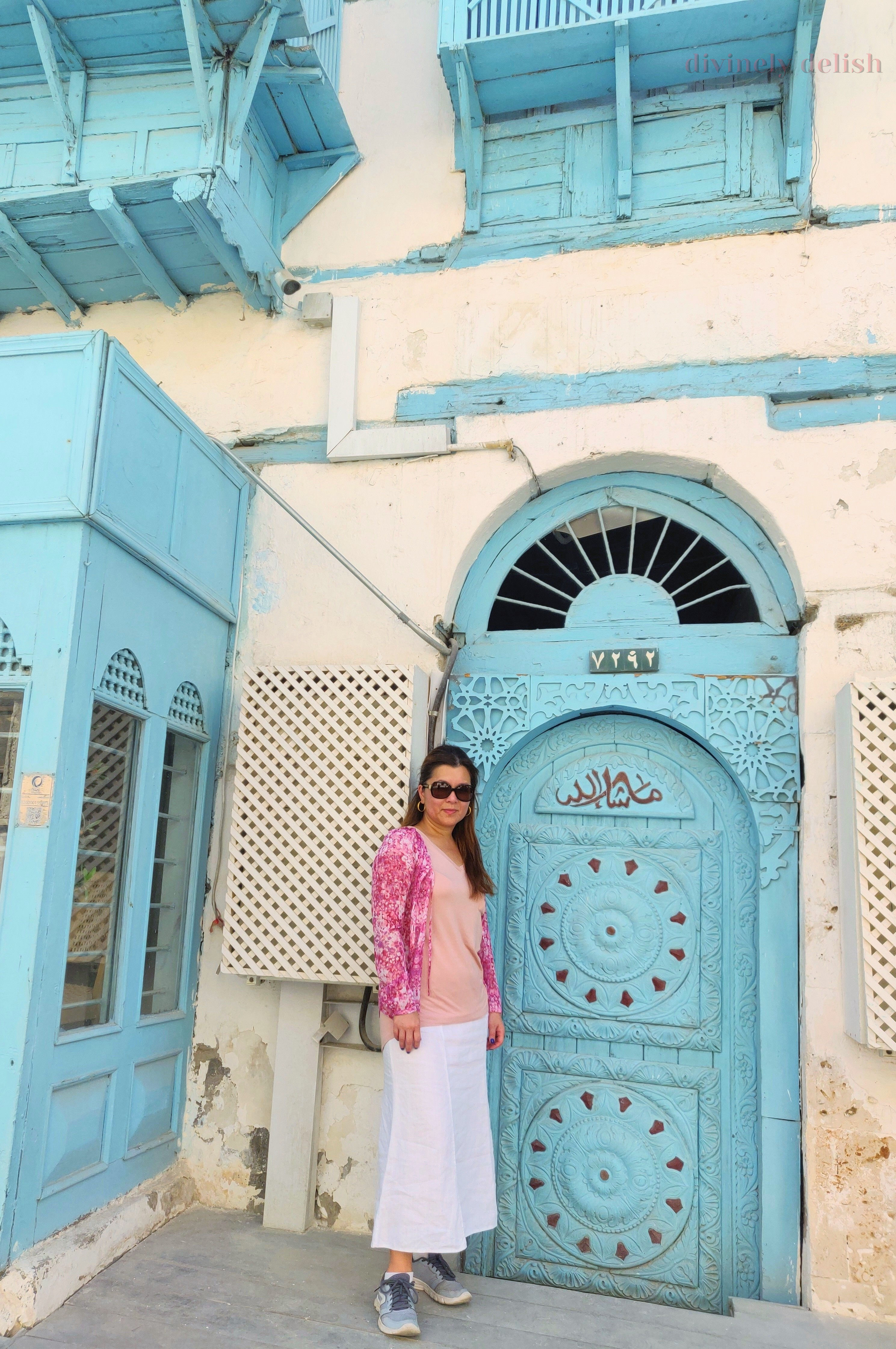
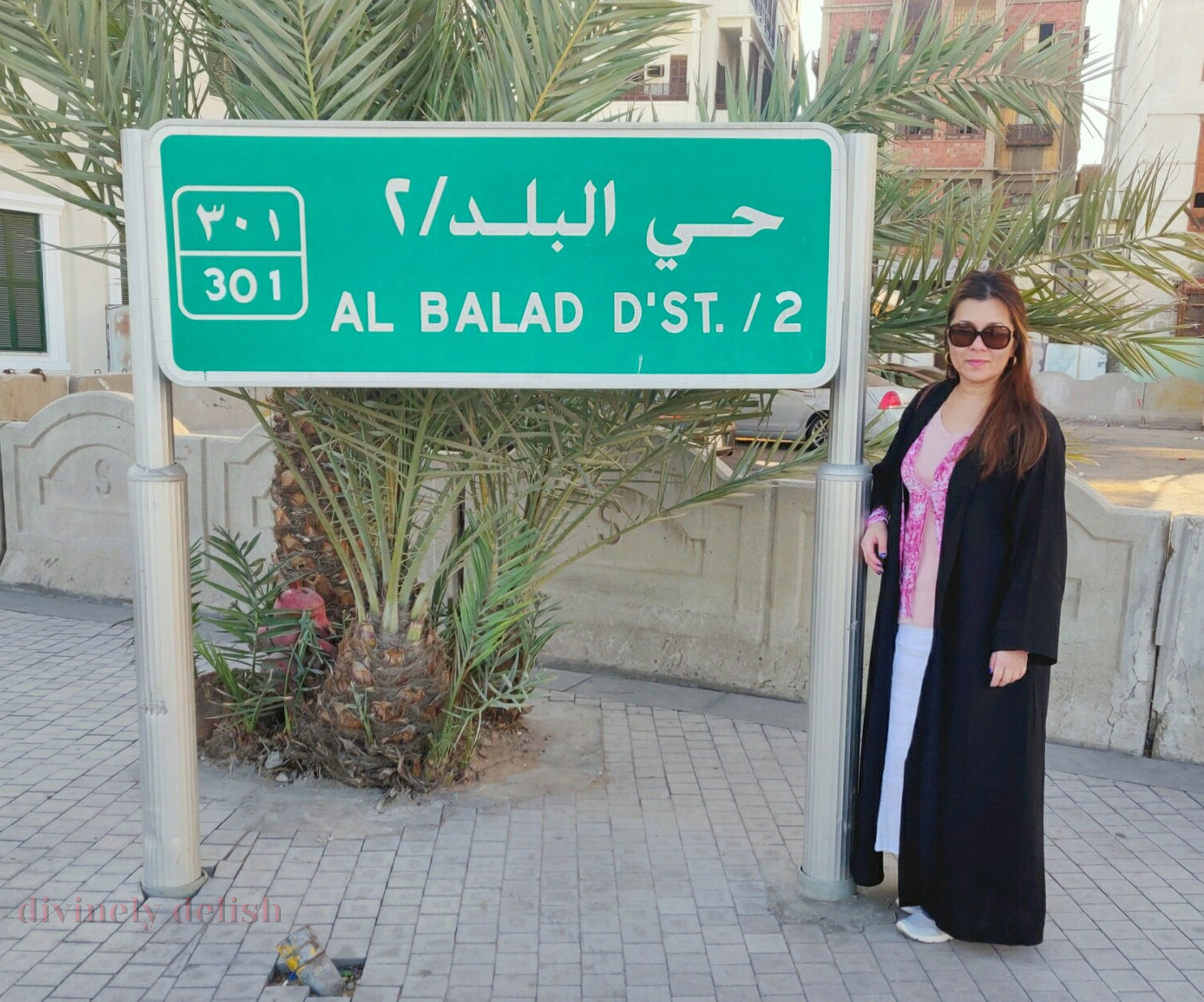
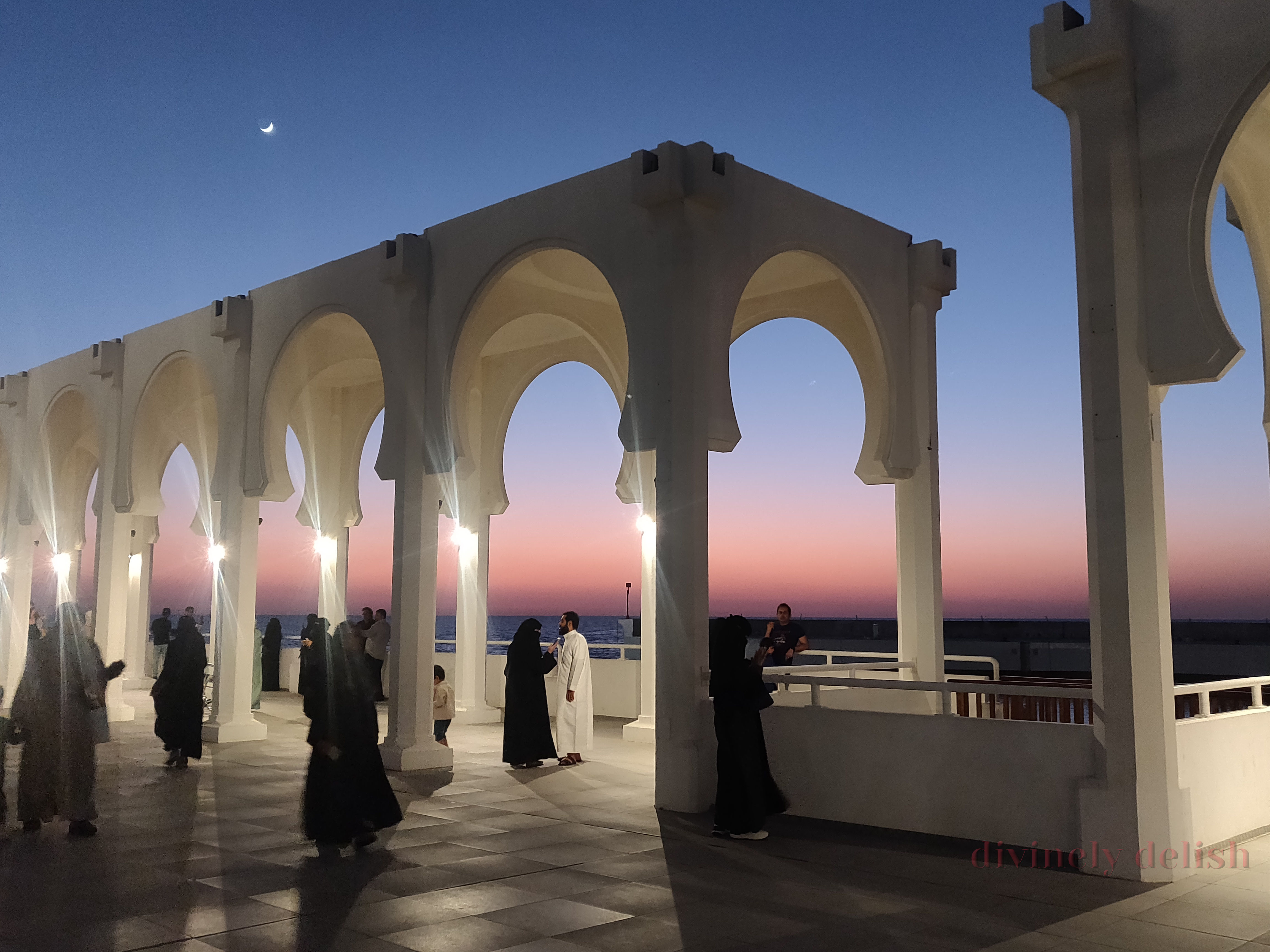
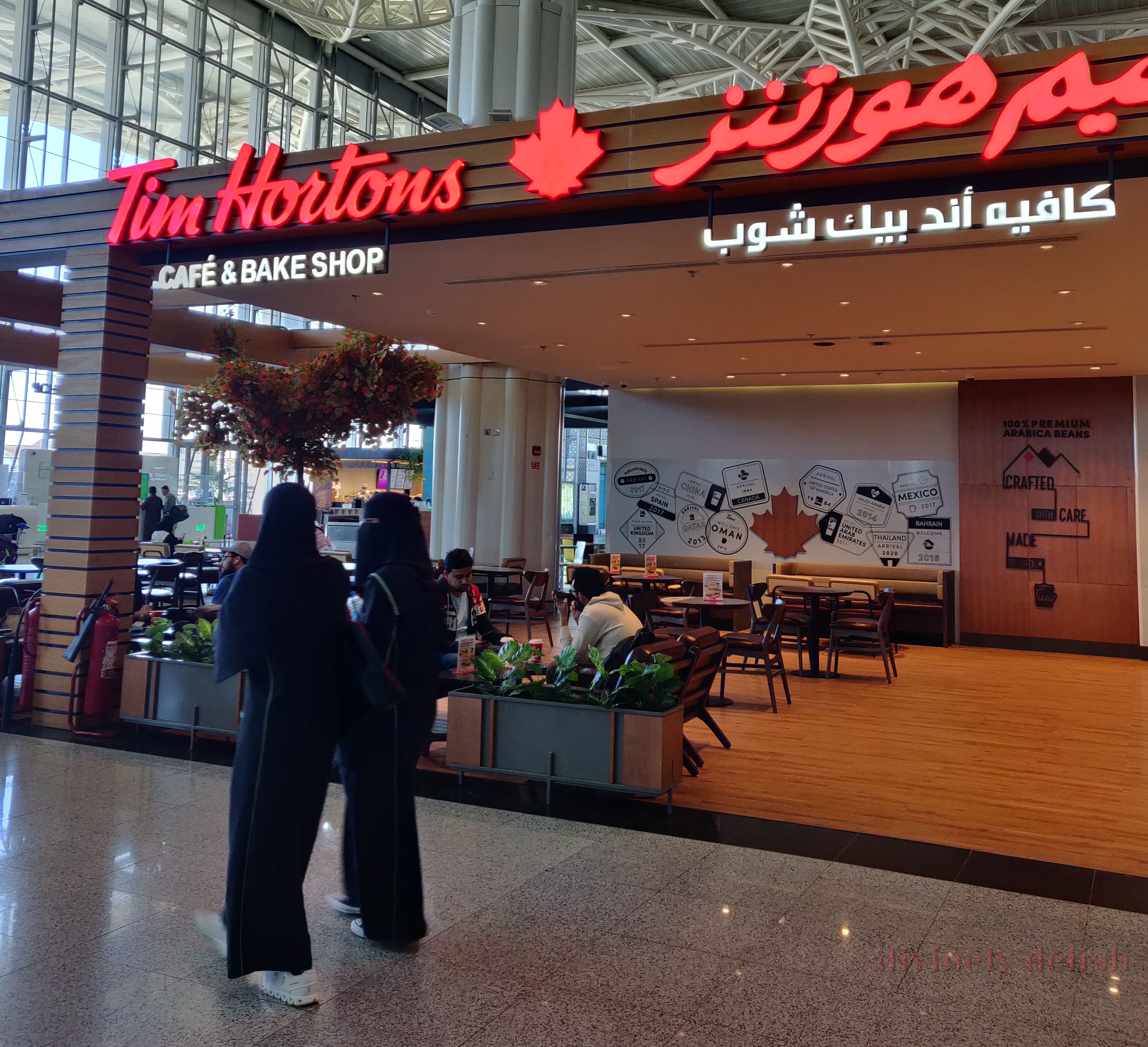
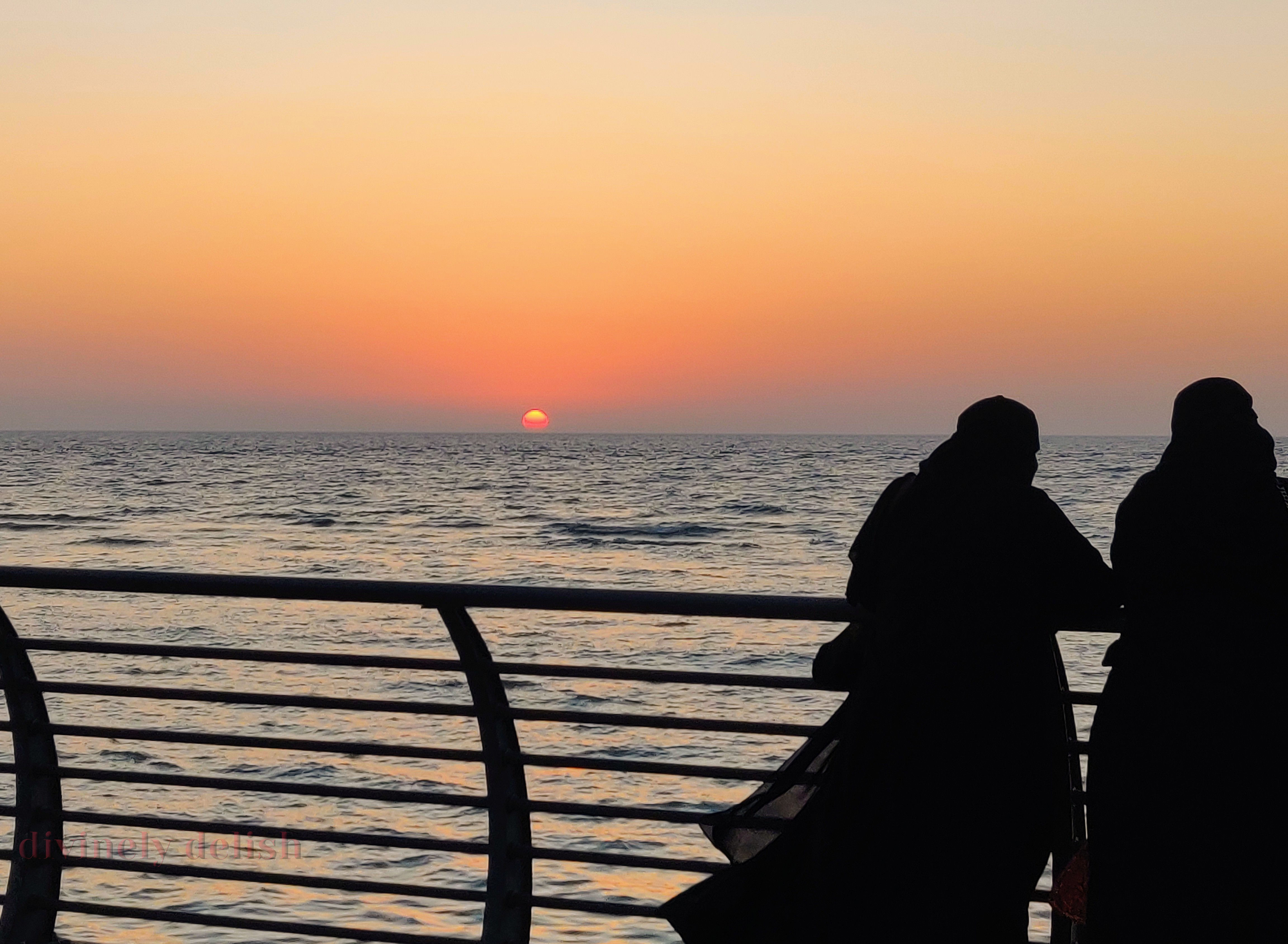
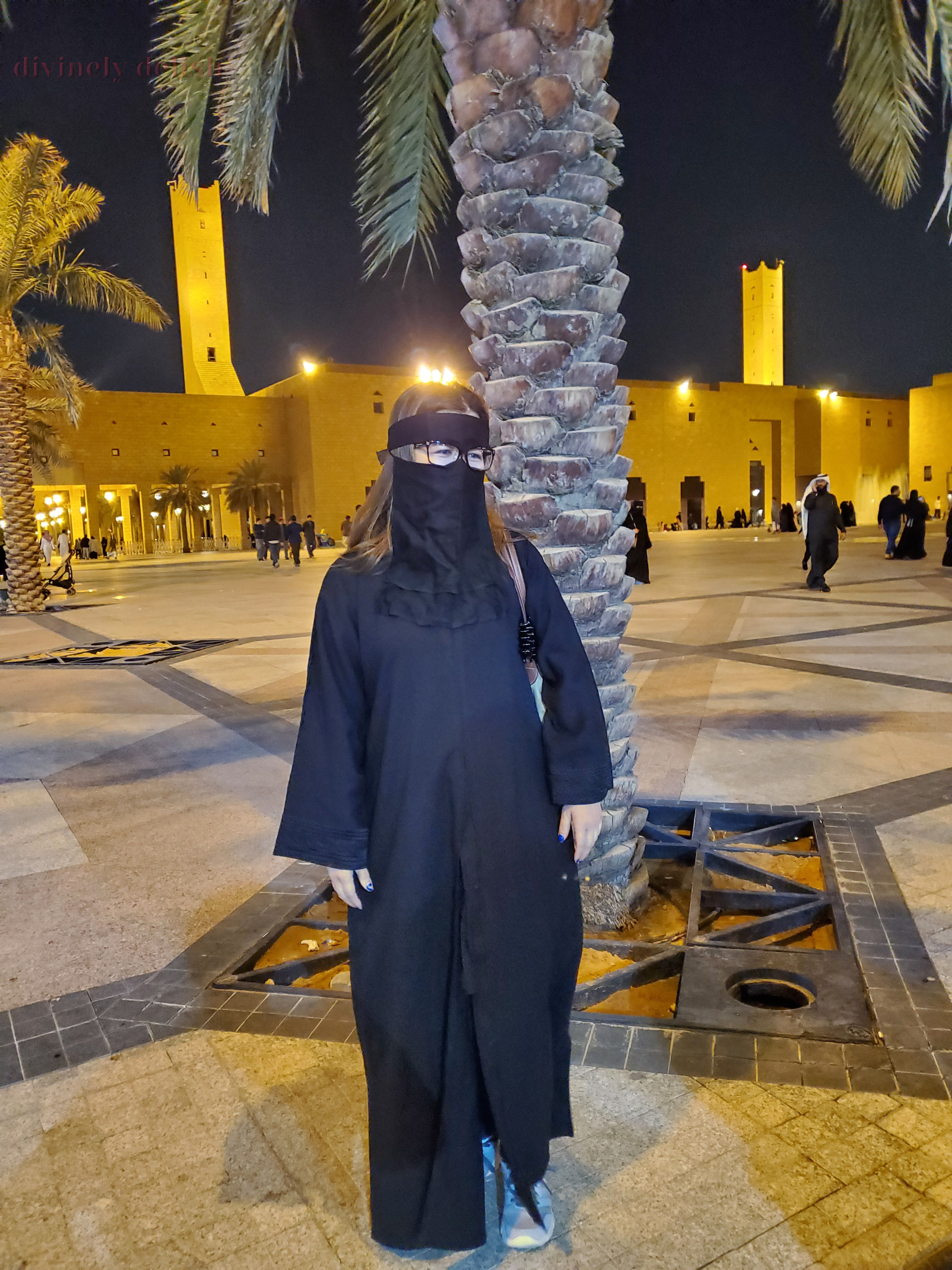
Although it’s not necessary to wear an abaya, it’s interesting that most Saudi women do still wear one (I don’t think I actually saw one without an abaya) and in fact, you will see that the vast majority of women continue to wear the niqab. I didn’t want to look out of place, so I finally got an abaya in Jeddah. It was quite warm there though, so I only wore it once, early one morning, and then took it off soon after. I mostly wore the abaya in Riyadh, where it was quite a bit cooler. Honestly though, even without an abaya, I didn’t feel that anyone judged me. No one seemed particularly concerned about what I wore.
Booking transport, hotels and local tours
I had varying degrees of success trying to book domestic transportation prior to my arrival (more on this in my next post), but pre-booking the hotels was relatively easy (I used Booking.com). I noticed that the hotels were mainly reviewed by Saudis, and many had really low ratings (much lower than what I’ve seen for hotels in other countries). I avoided these, but it made me wonder whether a lot of hotels are really sub-standard or if Saudis just have extremely high expectations! I also came across some reasonably-priced hotels that I would’ve considered, except that the names were only written in Arabic script, with no English transliterations, which could’ve been problematic, so I also avoided booking these.
Since it’s essential to have guides when you visit the various archaeological sites around AlUla, you are required to book tours on the Experience AlUla website. I booked and paid for a few tours more than a month in advance to ensure that I got the dates and times that I wanted.
Getting the visa
With the exception of nationals of some of the Gulf countries, everyone will need a visa to enter Saudi Arabia. You can apply for the Tourist visa on the E-visa portal, where you will also need to upload a passport-sized photo. The total visa cost (in November 2023) was SAR 488.51 (including SAR 180 for mandatory insurance), which was equivalent to C$184. I read somewhere that it could take a few days to get the visa, so I was pleasantly surprised when I received it pretty much instantaneously! I submitted my application, and then a couple minutes later I was checking my emails for something else and noticed my visa had already been issued! I got the 1 year-validity, multiple entry, 90 day-duration-of-stay visa, which is the standard one that most everyone gets.
When I was in Riyadh, I met an American guy, Larry, who was slowly making his way to Southeast Asia. He had flown in from Istanbul, and apparently he only found out he needed a visa for Saudi Arabia when he was on the plane! As it turned out, he was able to get a visa on arrival, which I didn’t know about at the time (and neither did he).
Best time to visit
Since Saudi Arabia can get unbearably hot, especially during the summer months, the best time to visit is between late October to February. I was there in December and January, which was ideal. It was warm in Jeddah, with highs in the low 30s Celsius, and although it’s more humid than the other cities, it was still very comfortable. AlUla had perfect daytime temperatures in the mid-20s Celsius, while Riyadh was around 18-20°C, often feeling warmer due to the strong sunlight. Since both of these cities are in the desert, evenings were quite a bit cooler but still pleasant.
Is Saudi Arabia safe?
I found Saudi Arabia to be very safe! I would go so far as to say it’s probably one of the safest countries I’ve been to. Of course, you have to use common sense and take the usual precautions.
As an Asian female solo traveller, I had expected that I would really stand out and be the focus of many stares, but in reality, the locals didn’t pay much attention to me or treat me any differently. I’m used to catcalls, whistles and propositions in Latin America, India and parts of southern Europe, but I did not experience any kind of harassment in Saudi Arabia! Businesses such as restaurants, cafes and cinemas are open late (you can go watch a movie at 2 am!), so I was often walking around at midnight, passing groups of young men on the street, but they just ignored me and went about their business.
Stay tuned for more on Saudi Arabia in my next post!

 Divinely Delish
Pingback: Saudi Arabia: Navigating the Challenges | Divinely Delish·
Pingback: Saudi Arabia: A Taste of Its Highlights | Divinely Delish·